Waste separation is a simple and effective way to help protect the environment – here's how it works:
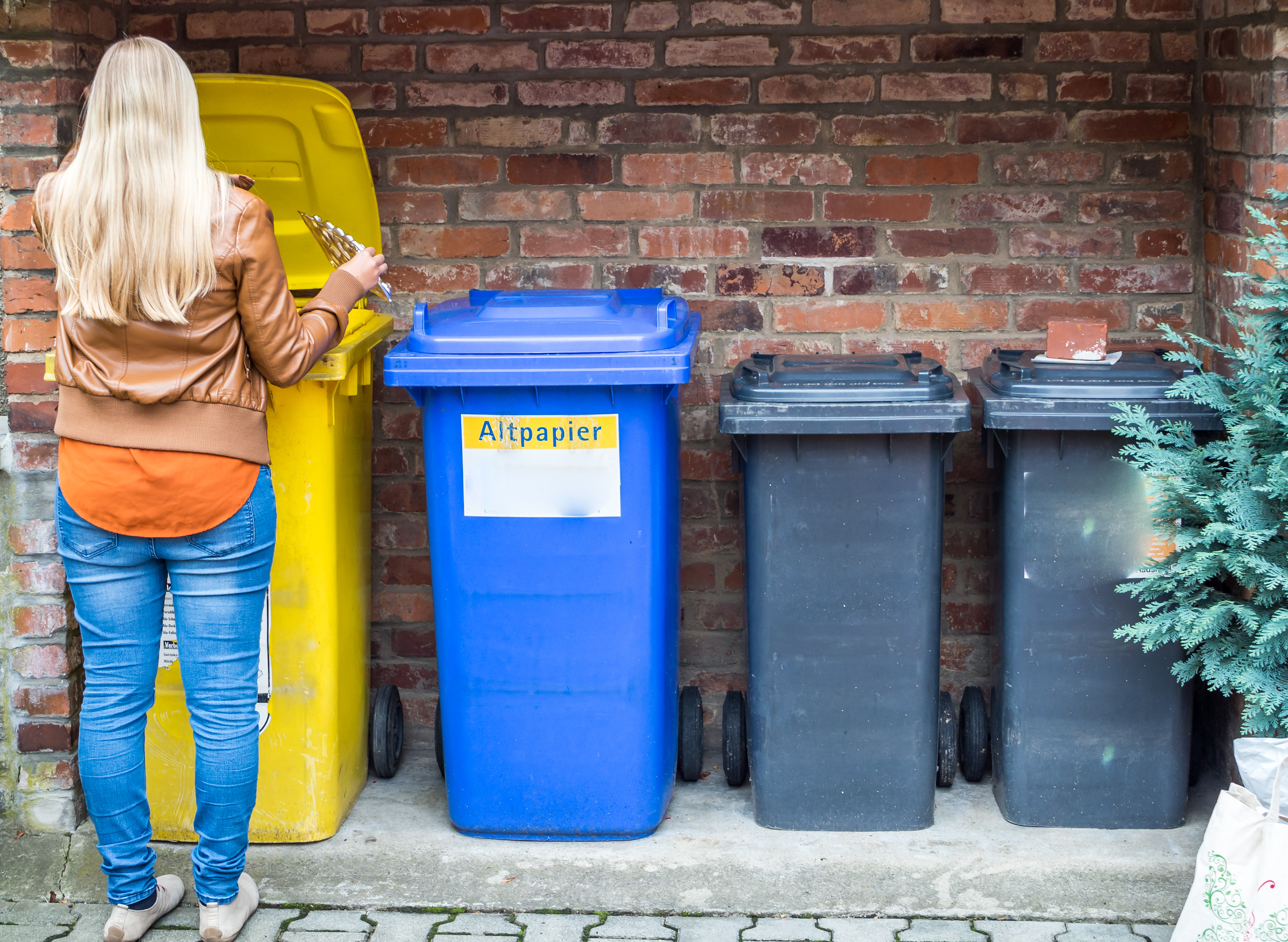
Separate and dispose of everyday household waste using a “5-chamber system”:
- Glass packaging in the glass container,
- Paper and cardboard in the paper bin,
- All other packaging (e.g., plastic, metal, or composite materials) in the yellow bag or yellow bin/recycling bin,
- Organic waste in the organic waste bin or in your own compost,
- Residual waste in the residual waste bin.
Please note five important “stop signs” for typical household waste before it ends up in the trash can or down the drain:
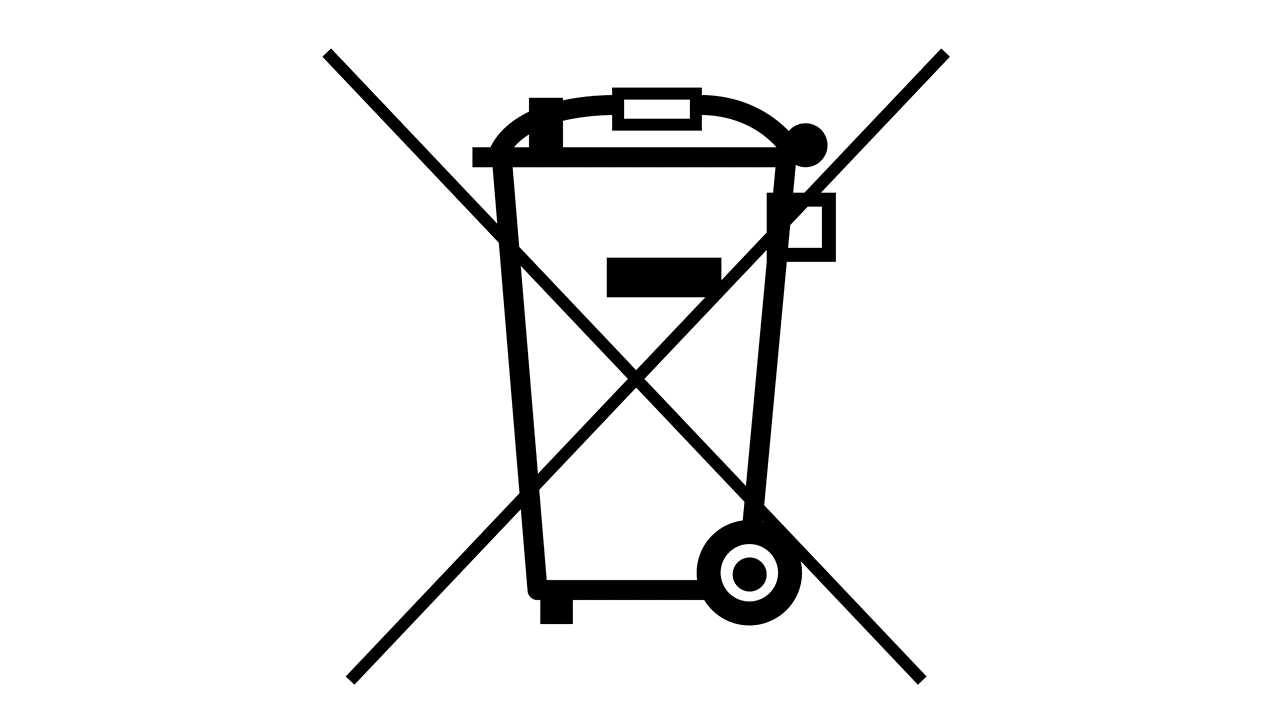
- Batteries and rechargeable batteries should be disposed of at designated collection points.
- Electrical appliances must be disposed of separately.
- Hazardous waste should be taken to the recycling center or hazardous waste collection vehicle.
- Toilets and sinks are not to be used for disposing of waste or medication.
- Textiles that are still wearable should be placed in the used clothing container.
The following generally applies:
- Talk to your local waste disposal authority or recycling centre. They can answer any questions you have about your waste.
- Before throwing things away, check if they can be given to someone else or repaired.