The free movement of construction products in the internal market has been a goal of the European Union for more than 25 years. For over 15 years, construction products with CE marking have been freely tradable in all Member States. Unfortunately, due to the lack of the required European testing procedures, it has not been possible to date to include information concerning environmental and health protection under the CE marking. Meanwhile, various testing methods for emissions from construction products as a European technical specification (CEN/TS) and as a European Standard (EN) have been published and can be applied to construction products in harmonised European standards for construction products or European Technical Assessments for construction products.
Emissions of VOCs in indoor air
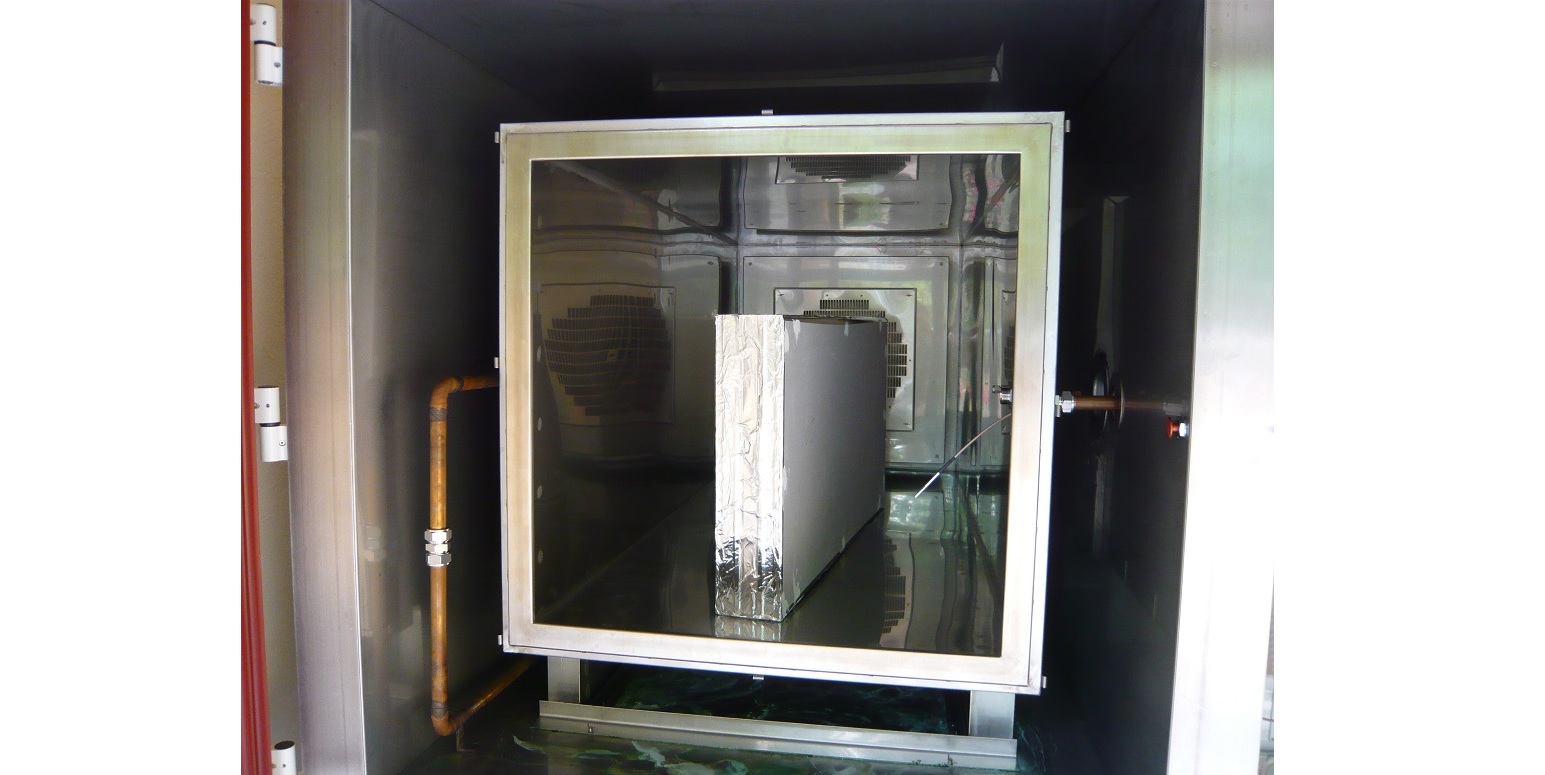
Emissions from building products into interiors mustn't cause residents to fall ill as a result of polluted indoor air. To achieve an indoor air quality consistent with the minimum requirements, planners need reliable data on the emissions of all construction products used. For the data for different products to be comparable, they must be based on the same testing procedure. A harmonised European method for the testing of emissions of volatile organic compounds (VOCs) from construction products in indoor air, DIN EN 16516 (previously DIN CEN/TS 16516 from 2013), has become available in January 2018. From 2016 the European Commission has recognised a number of testing laboratories for this procedure which, pursuant to EU criteria, have been granted the status of notified bodies for testing according to CEN/TS / EN 16516. These testing laboratories can accept commissions from all construction product manufacturers who require EU-recognised test results for their products.
What is still missing is the definition of a common declaration format for the provisional data on VOC emissions in the CE marking for construction products and the corresponding declaration of performance (specification of single values and/or allocation of the results to classes). The European Commission is currently considering whether to define classes for the declaration of VOC emissions (see Briefing: Reaching consensus on the assessment of construction product emissions). Should the European Commission fail to define any classes, building product manufacturers can provide information on the individual substances measured as declared values.
The primary purpose of the DIN EN 16516 testing procedure is to harmonise mandatory VOC tests in the Member States of the EU and to make it possible to provide information on VOC emissions in the context of CE marking. It is also equally suitable as a means of establishing that voluntary criteria have been met, for instance in eco-labelling, or providing neutral information on emissions behaviour in environmental product declarations (EPDs).
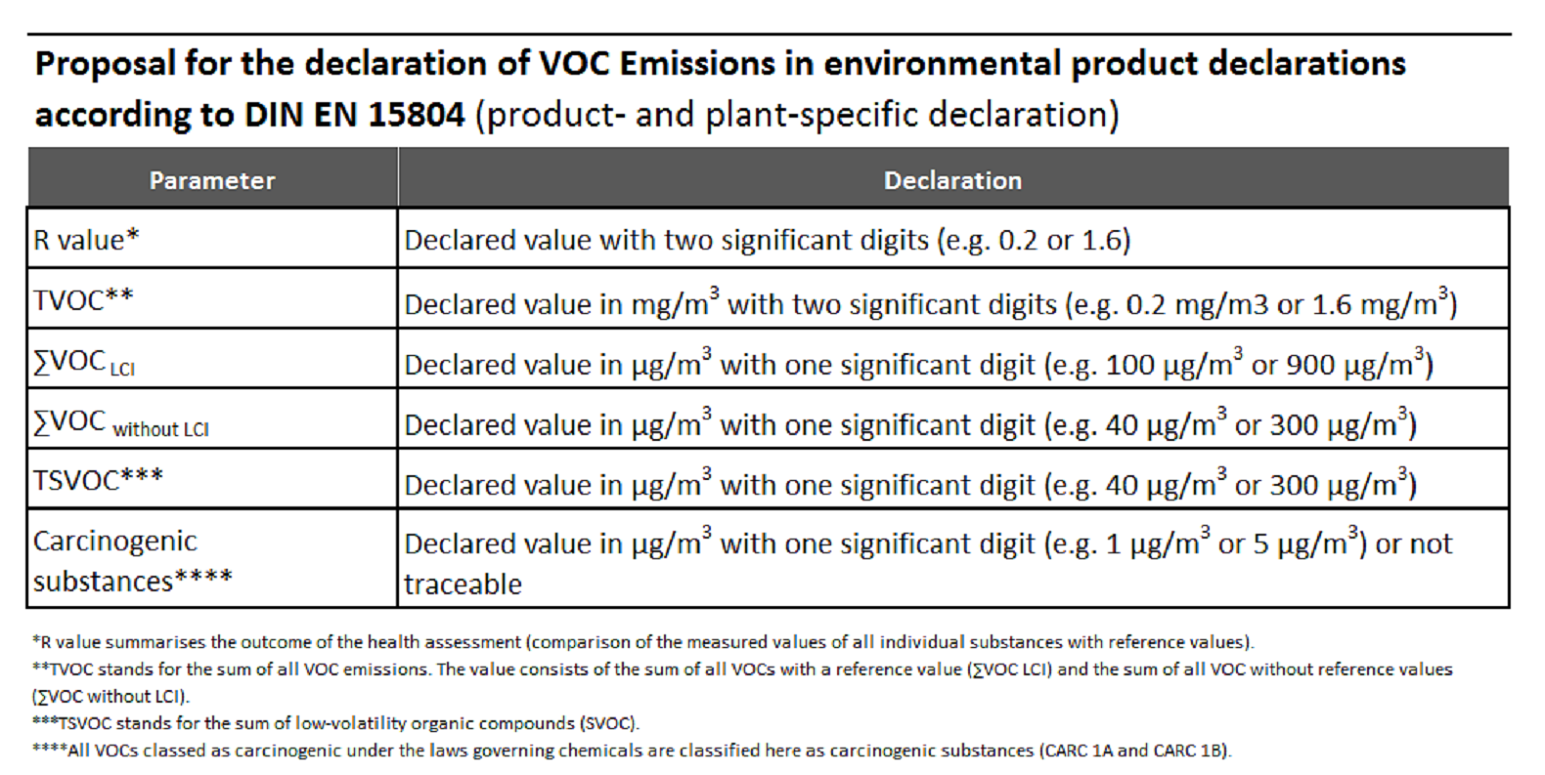
For VOC information in EPDs the UBA has drawn up a recommendation for the presentation of the test results. The attached Excel screen shows the UBA proposal for the declaration of VOC emissions in environmental product declarations according to DIN EN 15804 (product- and plant-specific declaration). From mid-2019 the German EPD provider Institut für Bauen und Umwelt (IBU) integrates corresponding indications on VOC as a mandatory element in its EPDs for building products that may contribute to emissions into indoor spaces.