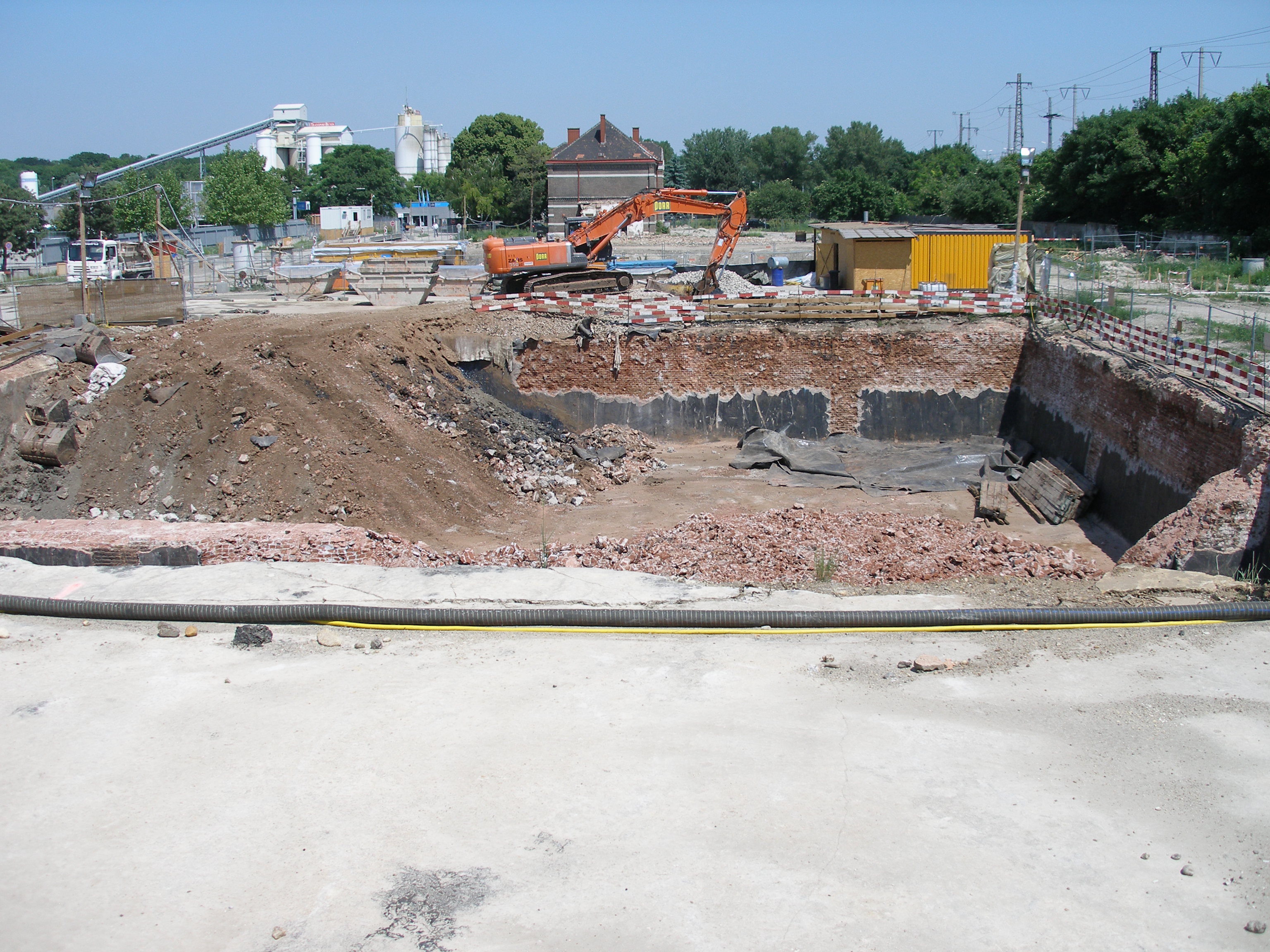
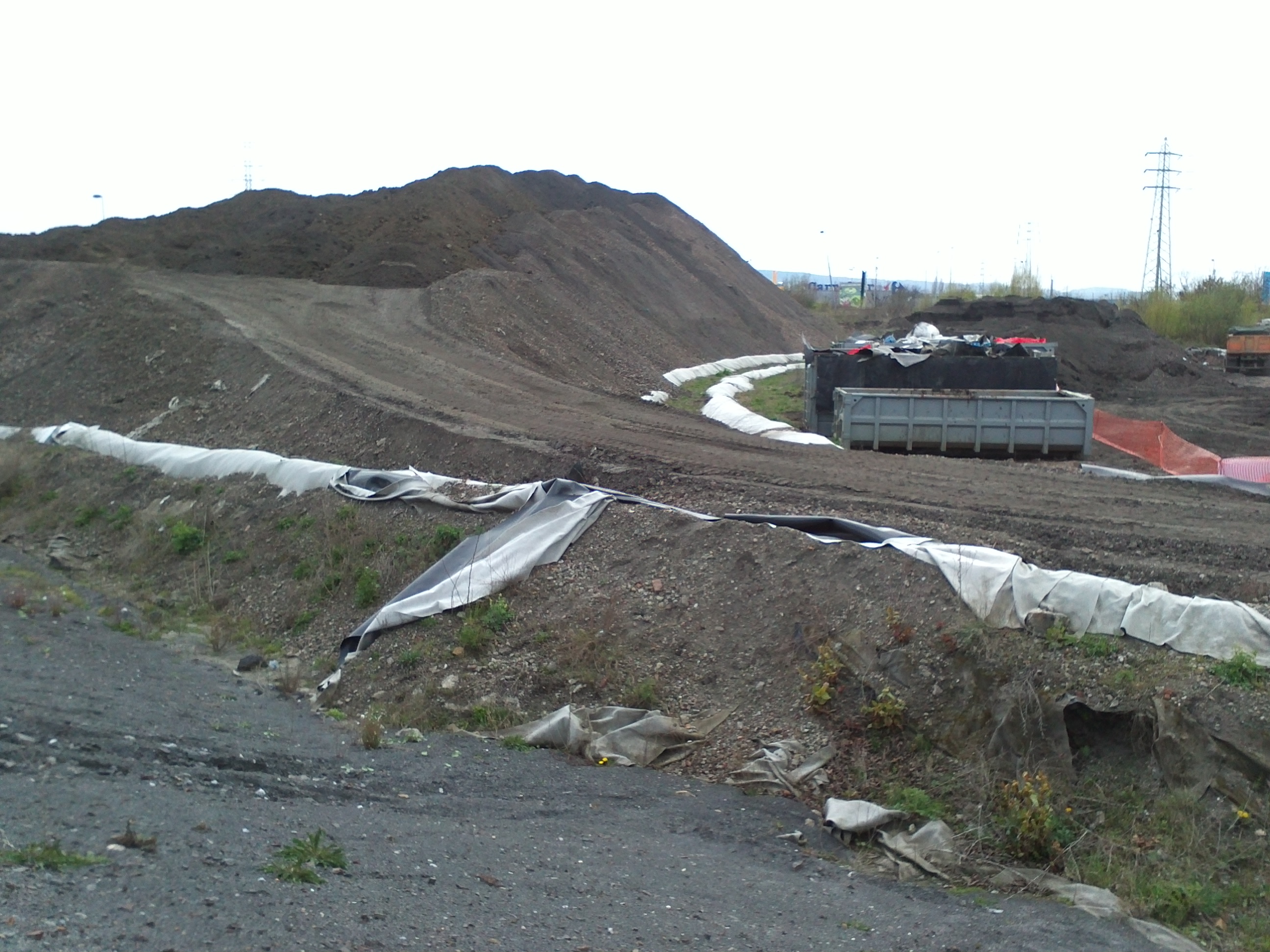
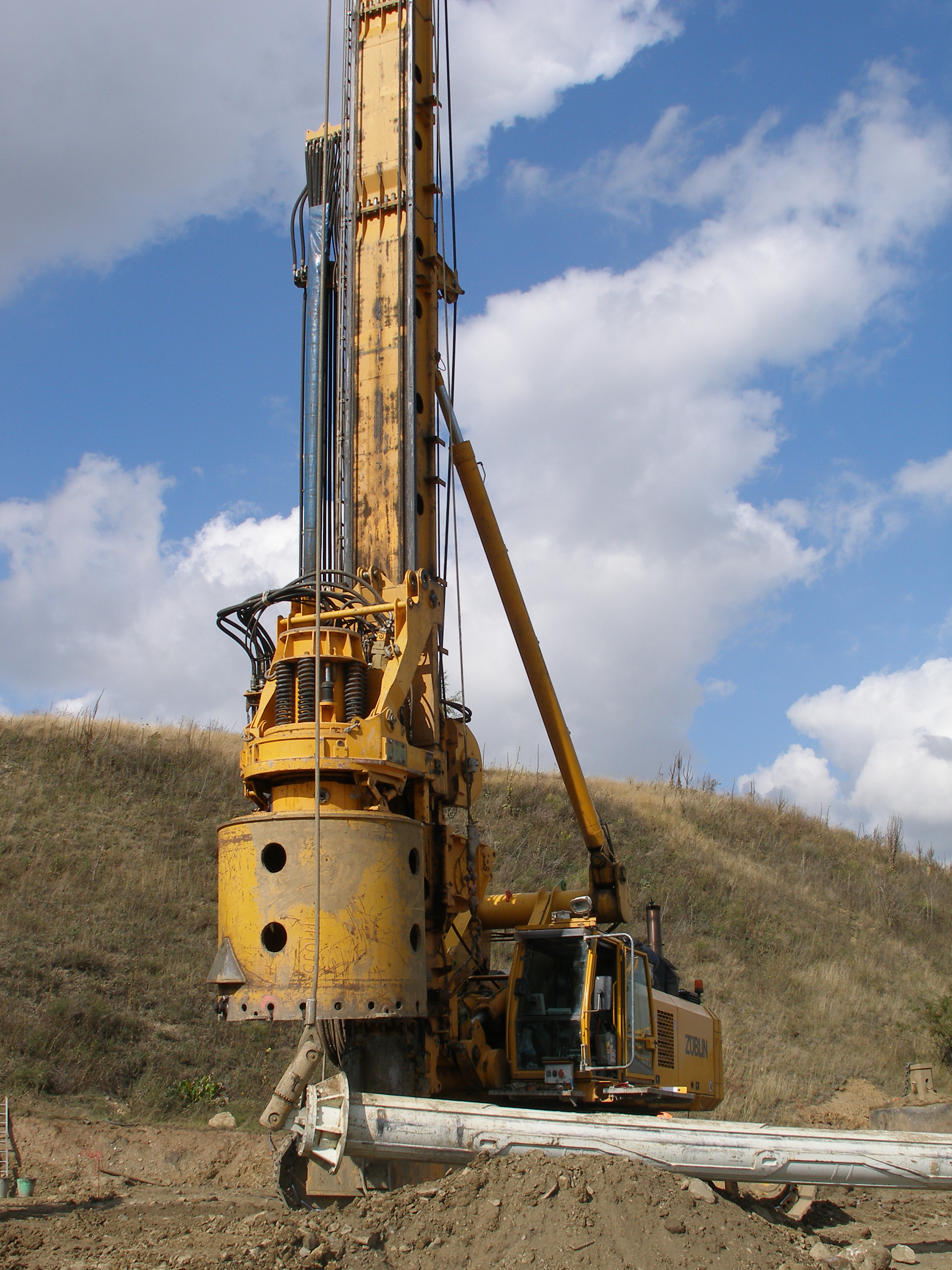
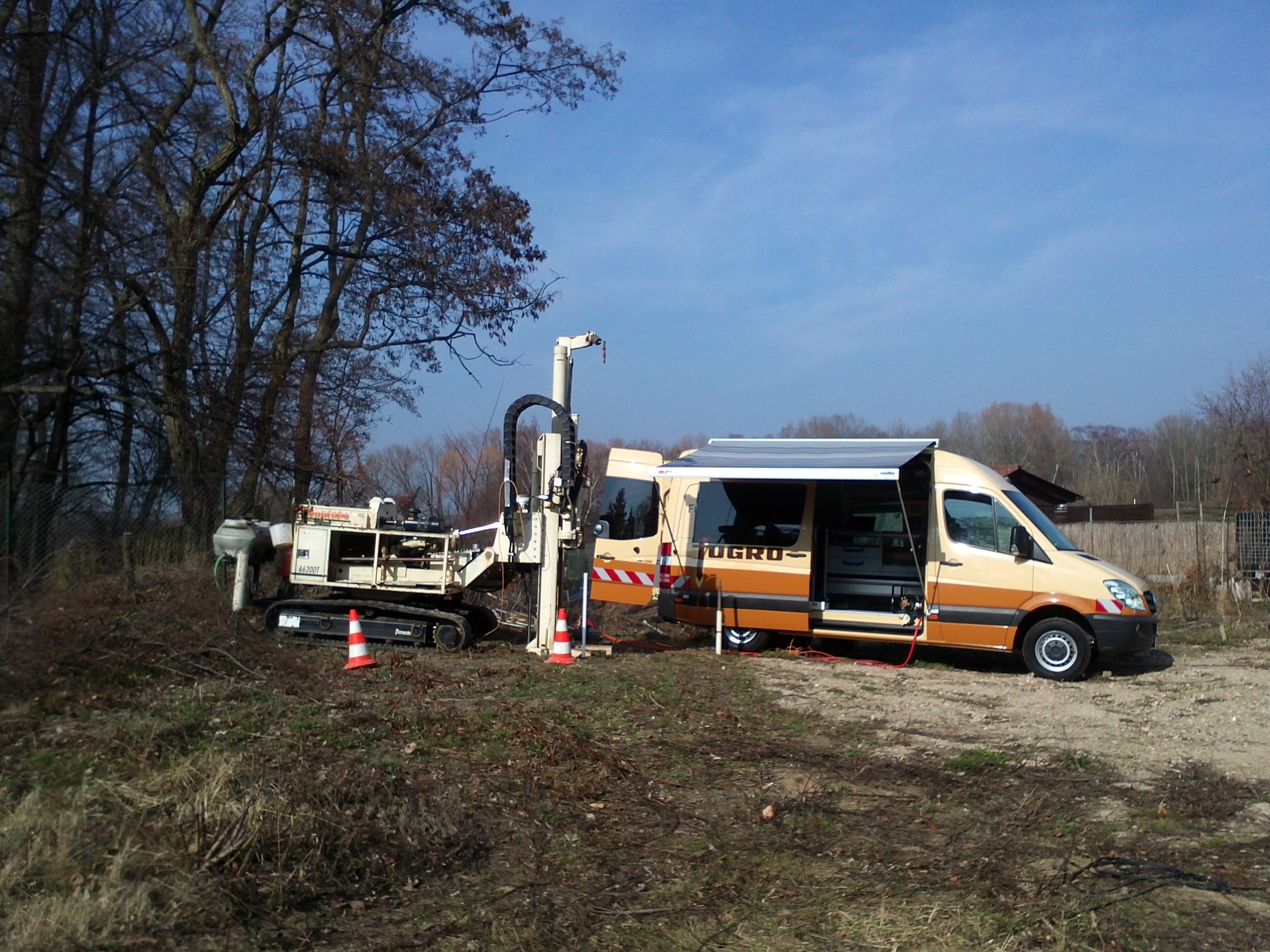
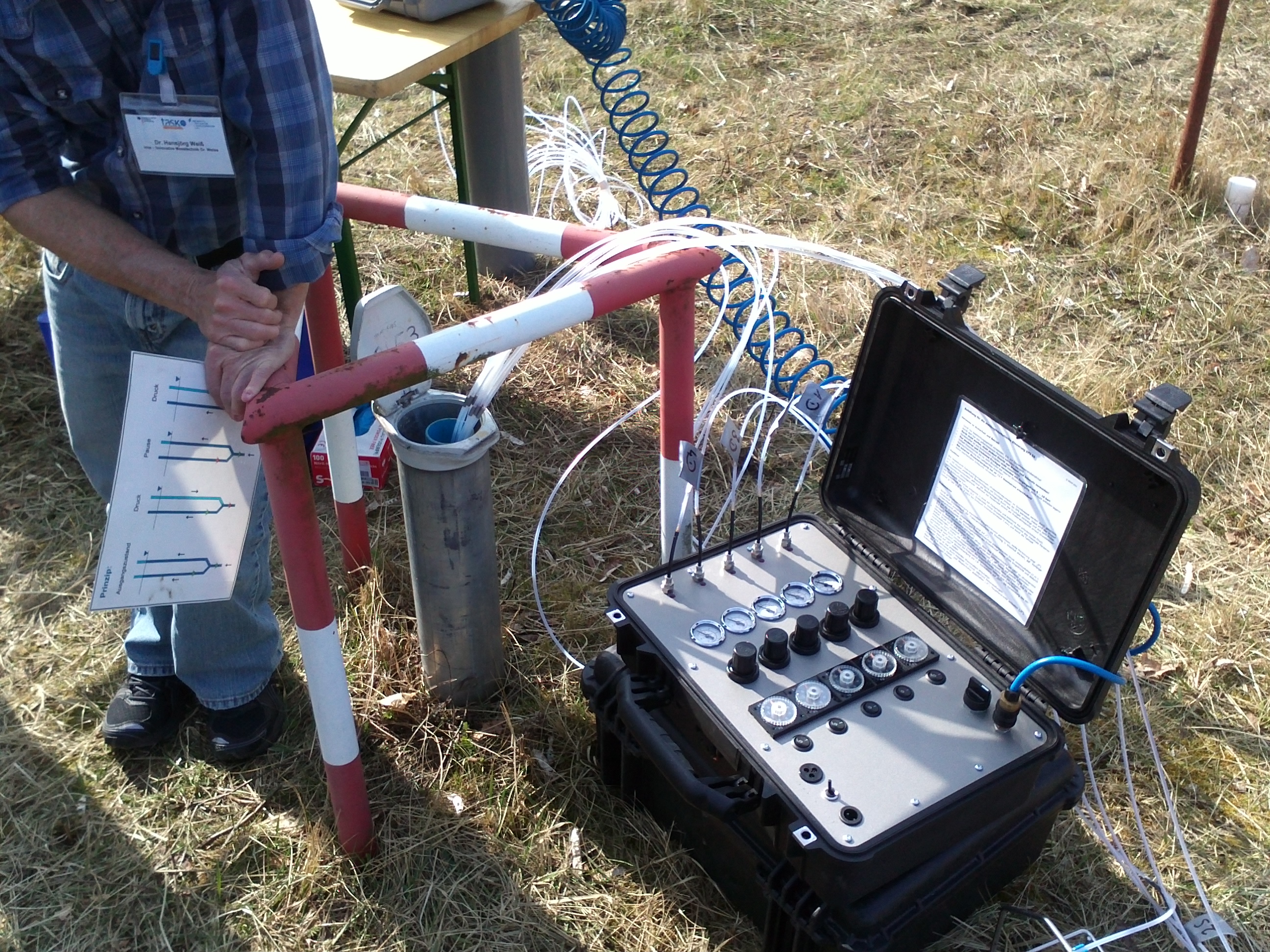
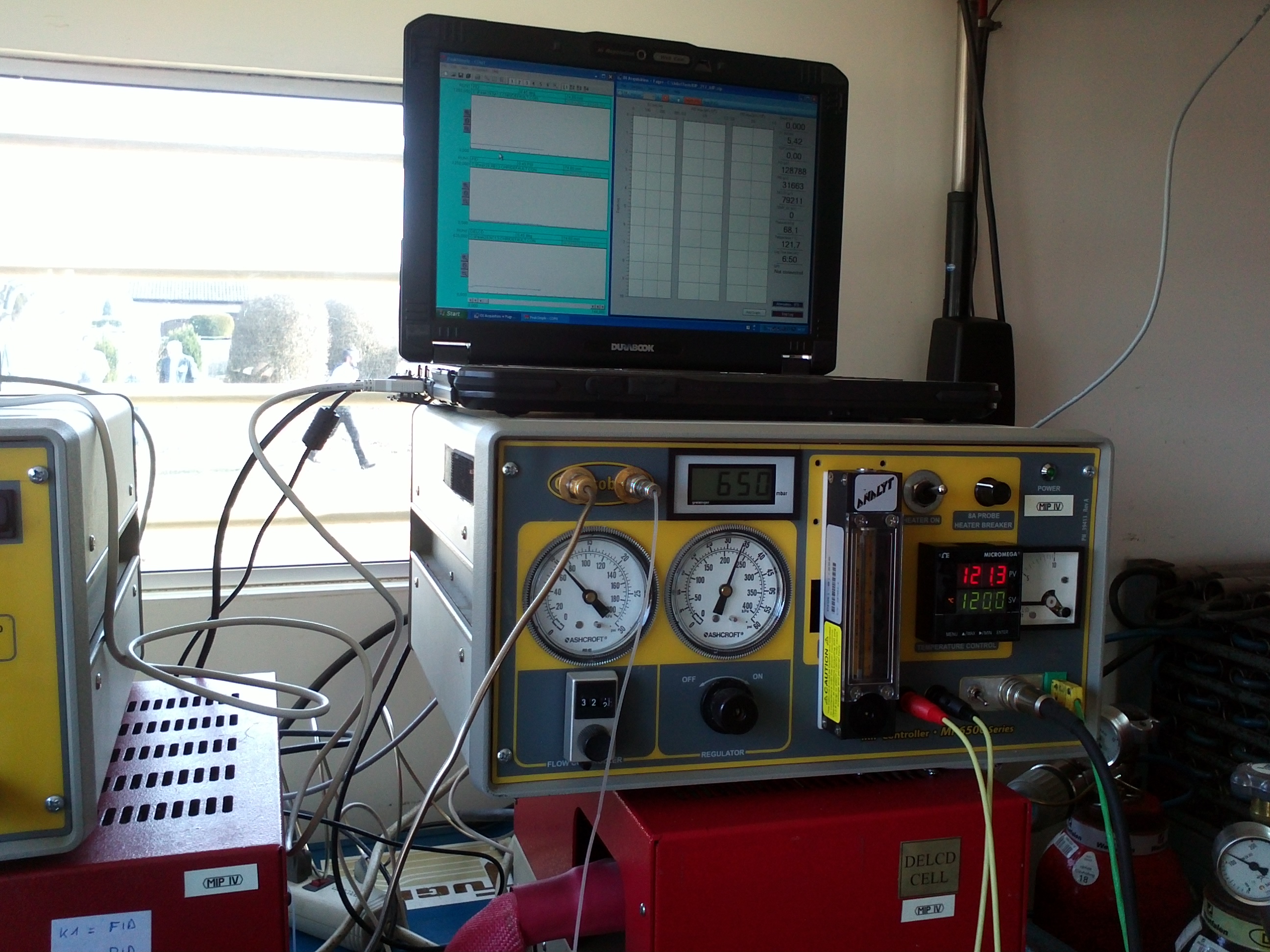
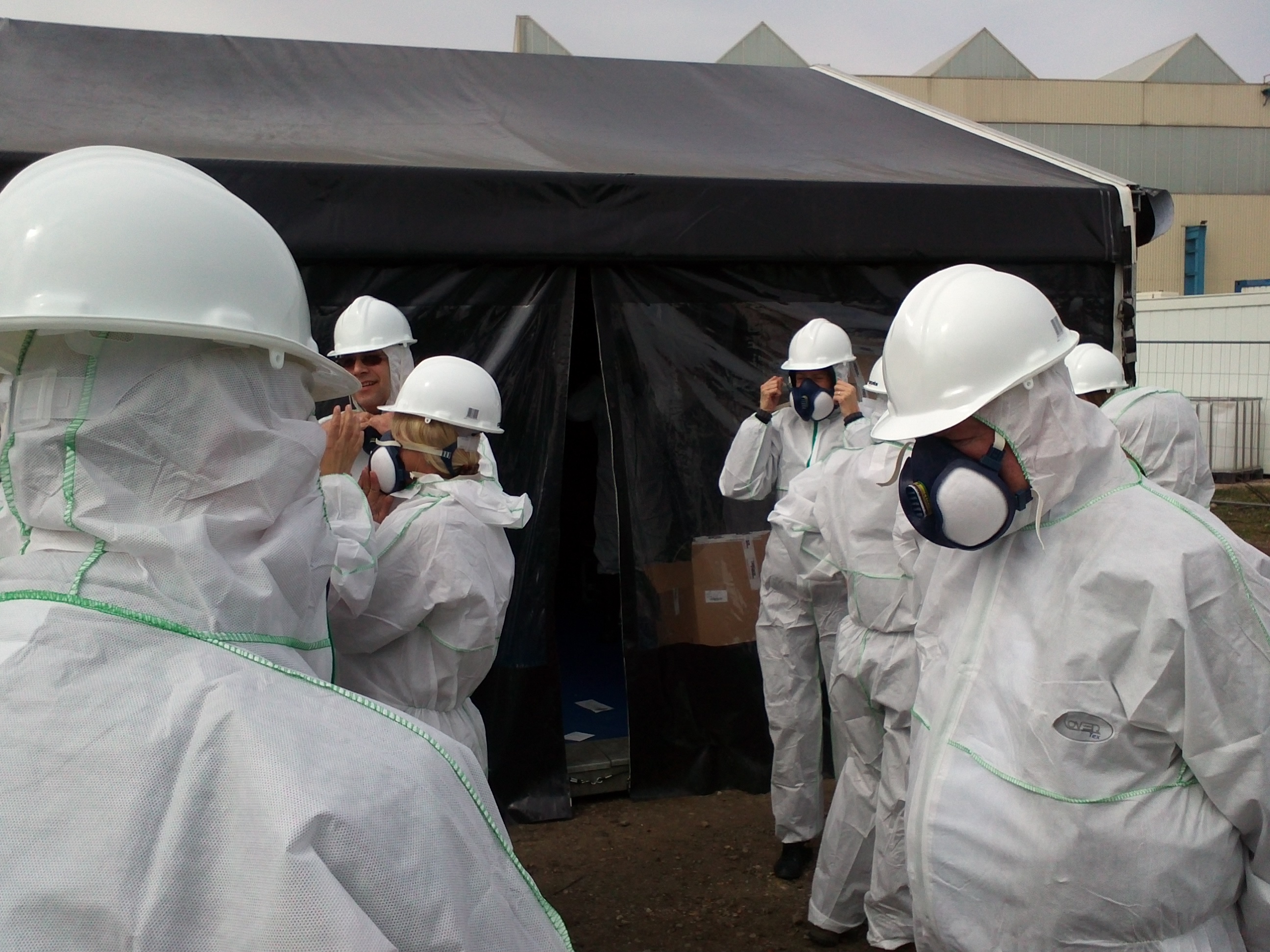
The preliminary investigation leads to the decision whether a site is potentially contaminated or not. Technical investigation measures such as soil and groundwater sampling and the subsequent measurements provide further data and information. The indicative nature of the investigation is reflected in the effort involved (number of samples, investigation parameters). The results of the preliminary investigation are to be evaluated in particular on the basis of guideline values (see below).
The detailed investigation creates the data basis for the final risk assessment. It serves in particular to determine
- the quantity and spatial distribution of the pollutants,
- their mobile or mobilizable fractions,
- their potential for dispersion in soil, water and air and
- the possibility of their uptake by humans, animals and plants.
In addition, it should be determined whether the pollutants within a potentially contaminated site pose a risk and whether and how uncontaminated areas need to be protected. The results of the detailed investigation must be evaluated, taking into account the circumstances of the individual site, to determine which hazard prevention measures are required.
With the final risk assessment, the competent authority determines whether a site is contaminated or not. By law, measures must be taken for sites that are found to be contaminated. As each specific site has specific framework conditions (such as geological and hydrogeological characteristics of the site, type and extent of damage, relevance of the subjects of protection), the BBodSchV does not contain threshold values that indicate a general obligation to remediate, nor target values for remediation. Instead, the competent authorities are granted considerable discretionary powers.
The sequence of the various investigation and assessment steps in the treatment of contaminated sites must always take into account the circumstances of the individual site. If, for example, already the preliminary investigation shows that a final risk assessment is possible, the competent authority can decide that no further investigation steps are required. It then determines directly whether a contaminated site exists or not.