
Sulfuryl fluoride as fumigant
Sulfuryl fluoride has been widely used as a pesticide and biocide since around the year 2000. It serves as a substitute for the ozone-depleting substance methyl bromide, whose use has been severely restricted worldwide by the Montreal Protocol. Unlike methyl bromide, emissions of sulfuryl fluoride do not have a damaging effect on the ozone layer. However, sulfuryl fluoride has a high global warming potential: according to Fifth Assessment Report of the Intergovernmental Panel on Climate Change, one tonne of sulfuryl fluoride emitted over 100 years is as harmful to the climate as 4,090 tons of CO2. Based on atmospheric measurements, the decrease in the concentration of methyl bromide since around 2000 has been accompanied by a steady increase in the background concentration of the substitute substance sulfuryl fluoride.
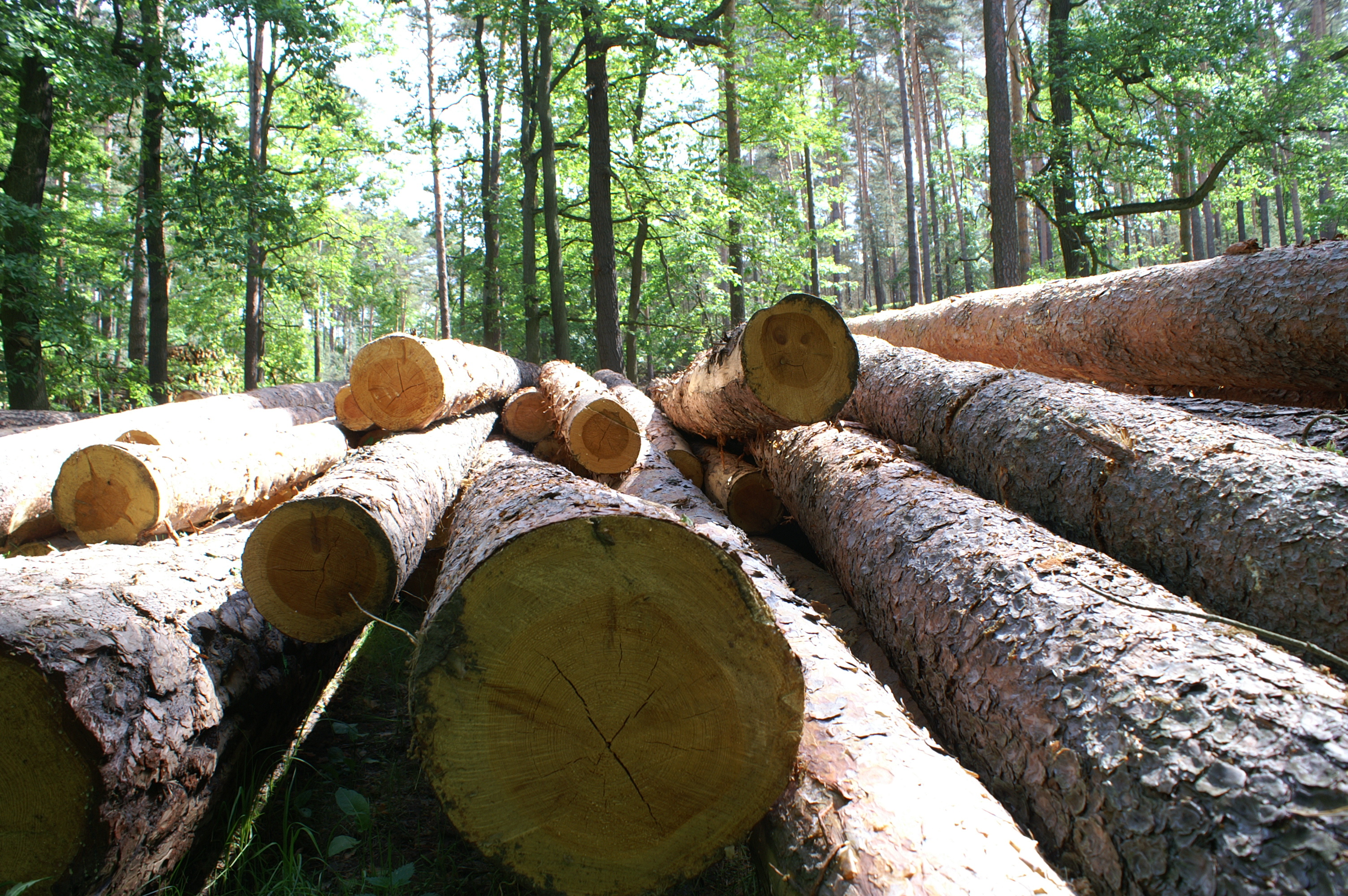
Sulfuryl fluoride is used worldwide as a fumigant to control food and wood pests, for example in buildings such as churches or for foodstuffs such as dried fruit, nuts and cereals. In recent years, the increasing use for fumigating timber in overseas containers has caused a stir. Importing countries often require export timber to be fumigated prior to export as a prerequisite for import. This is intended to prevent ecosystems from being disturbed by the import of new species, such as bark beetles.