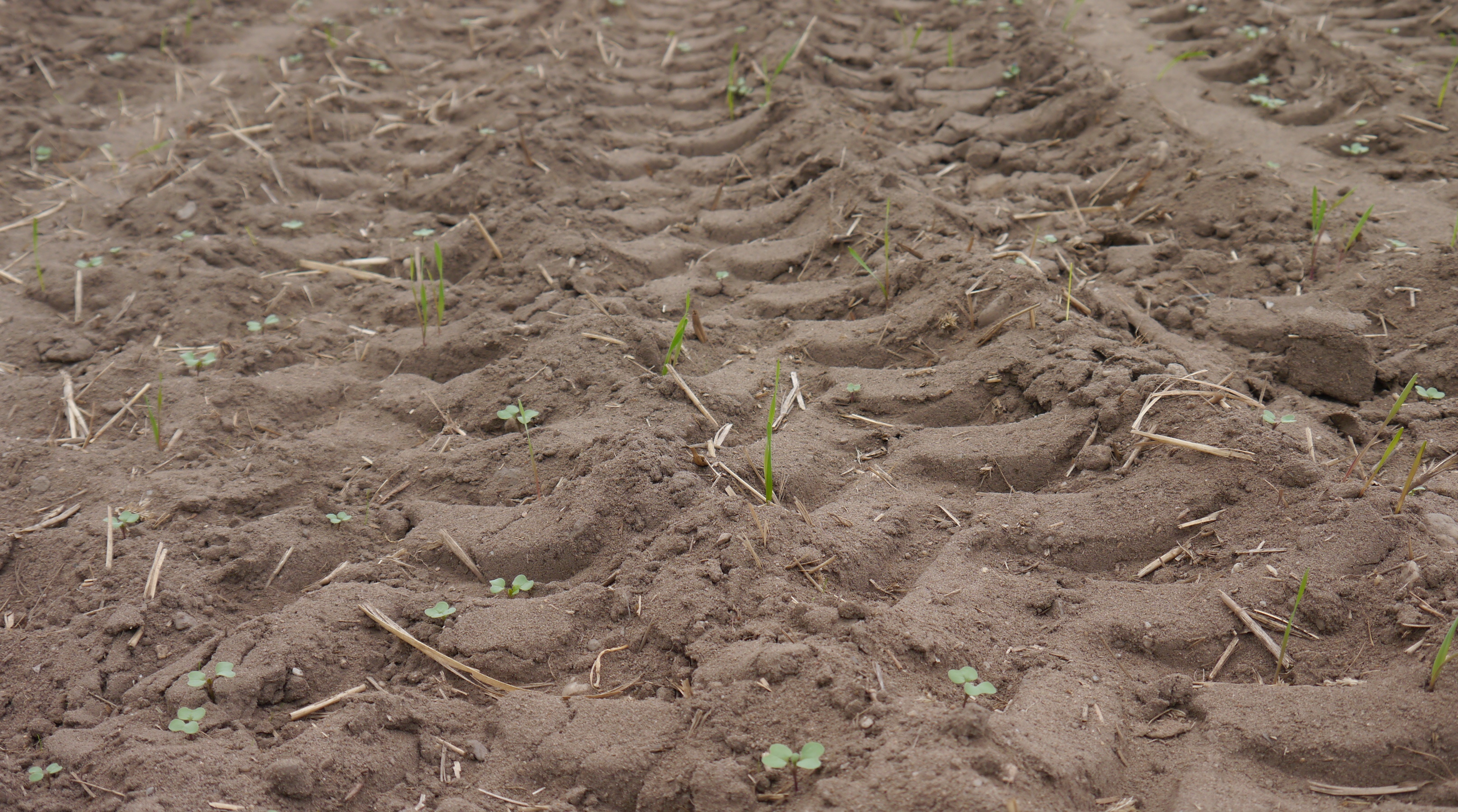
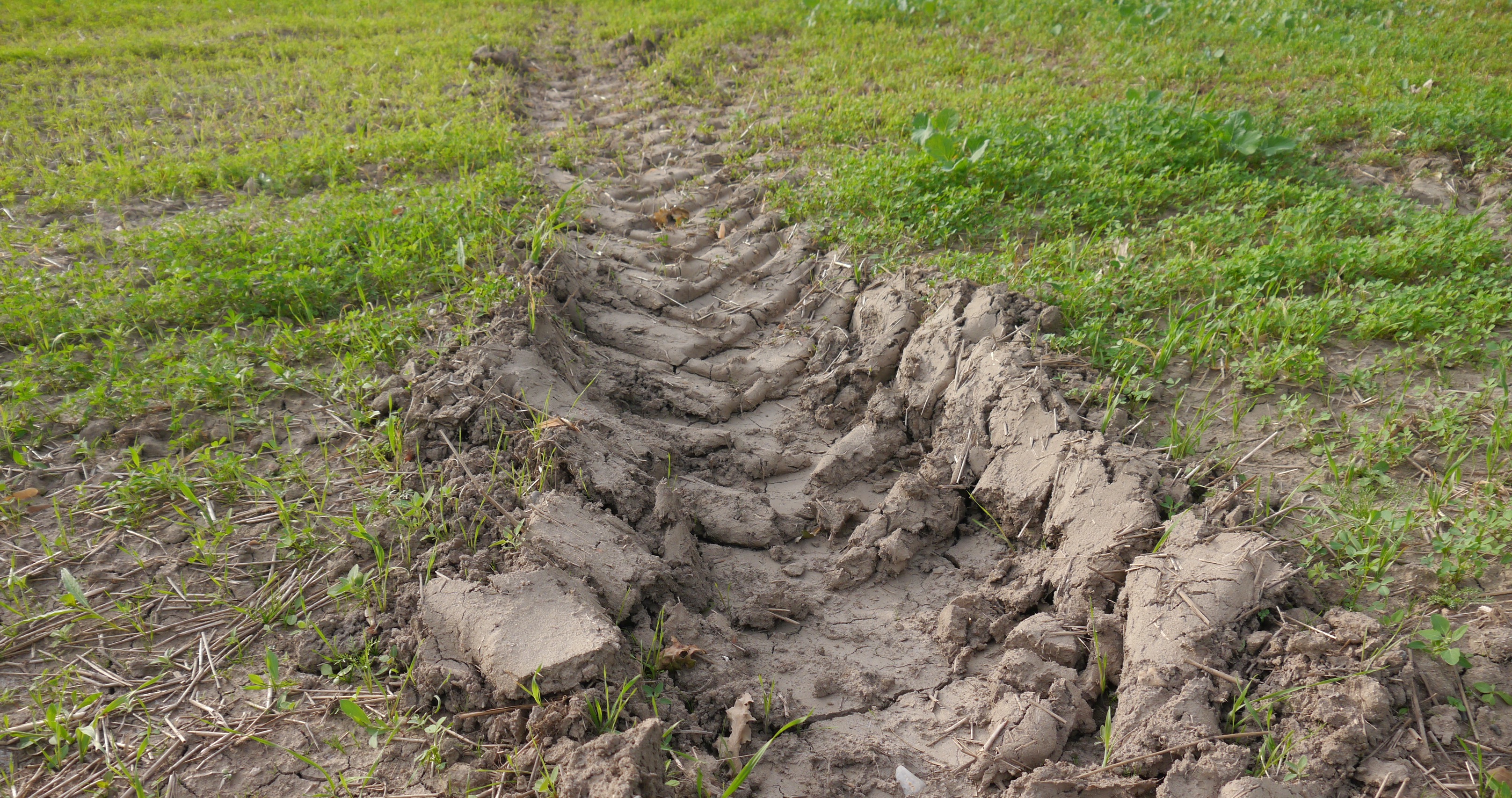
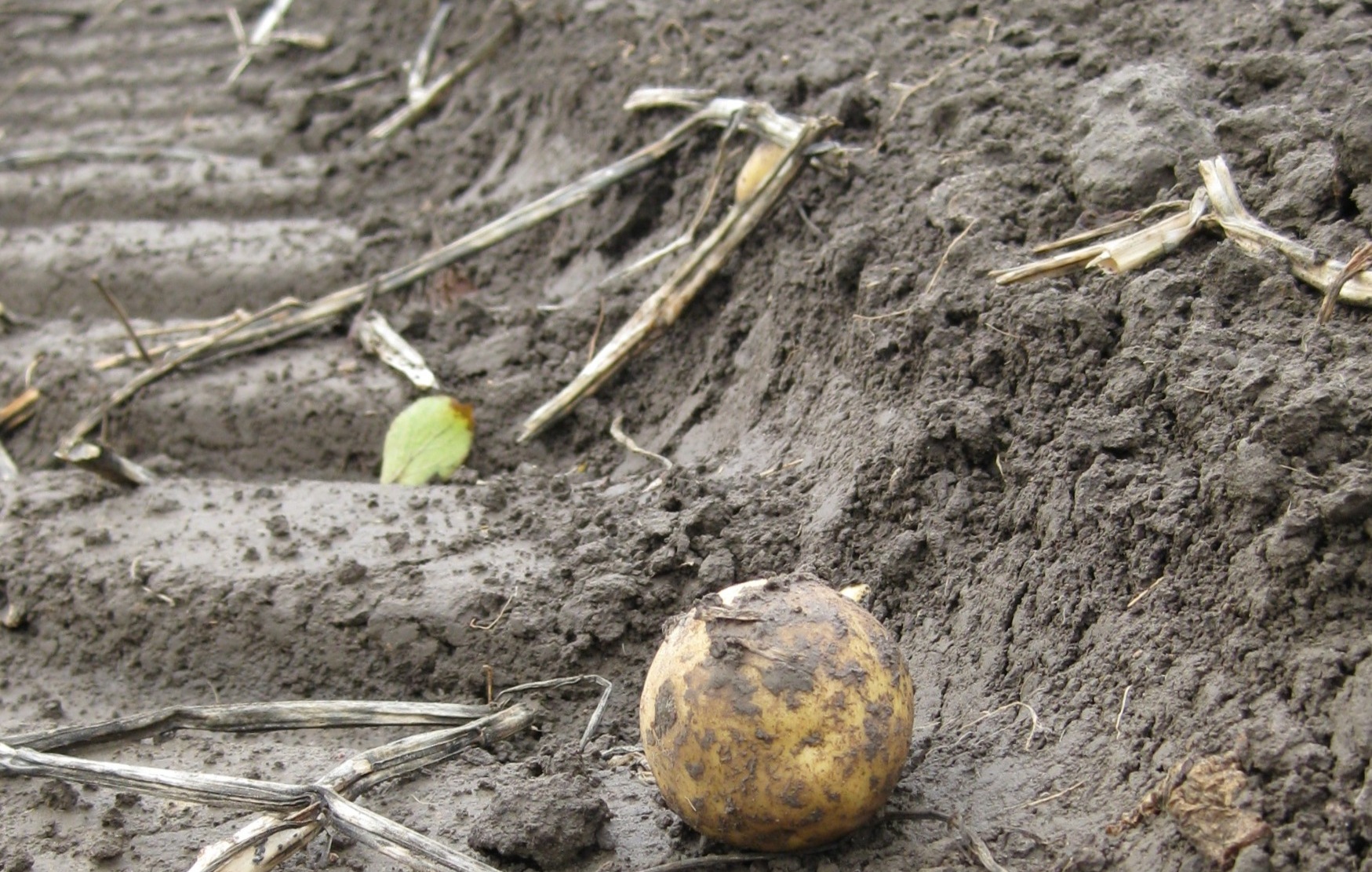
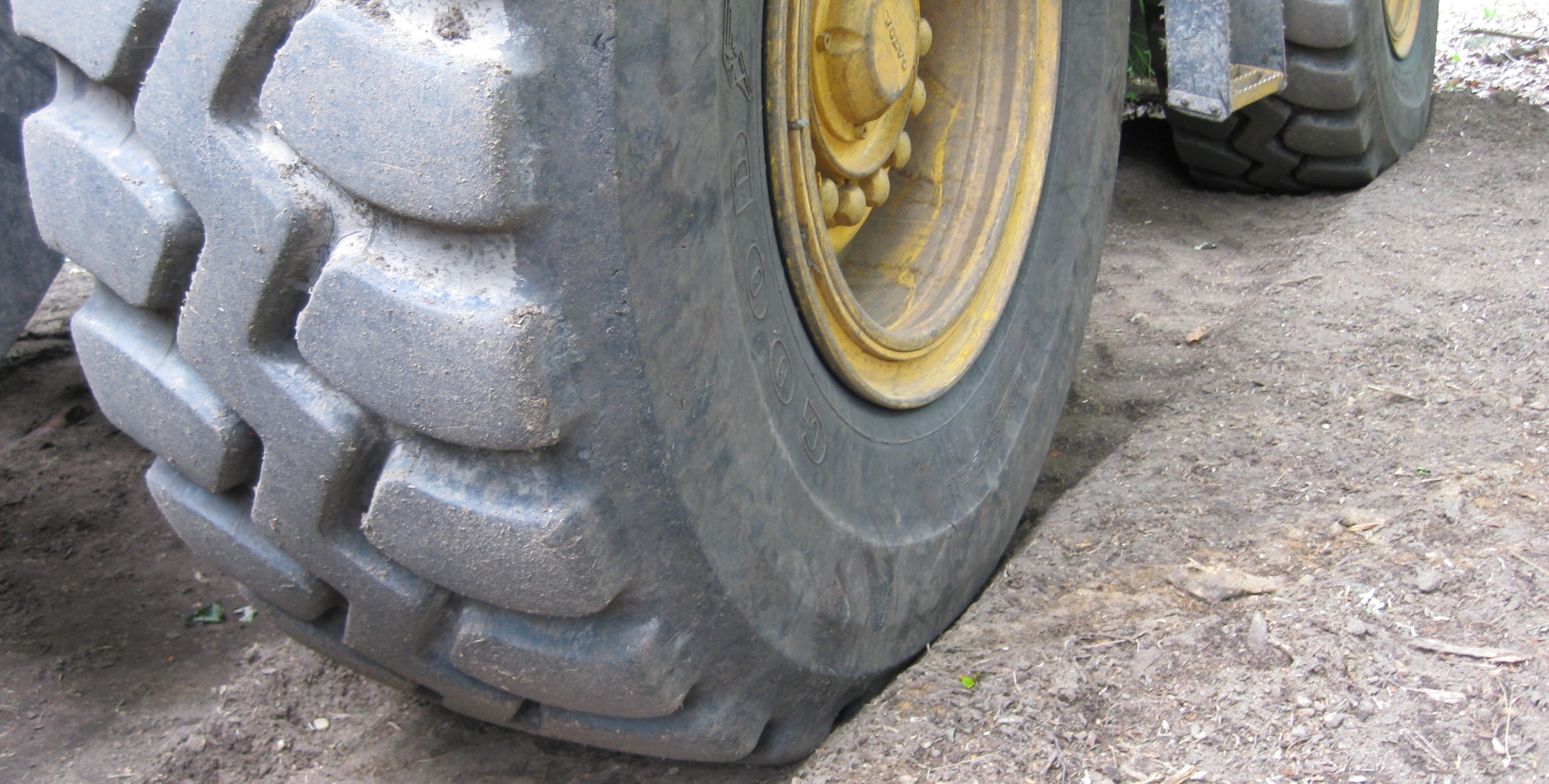
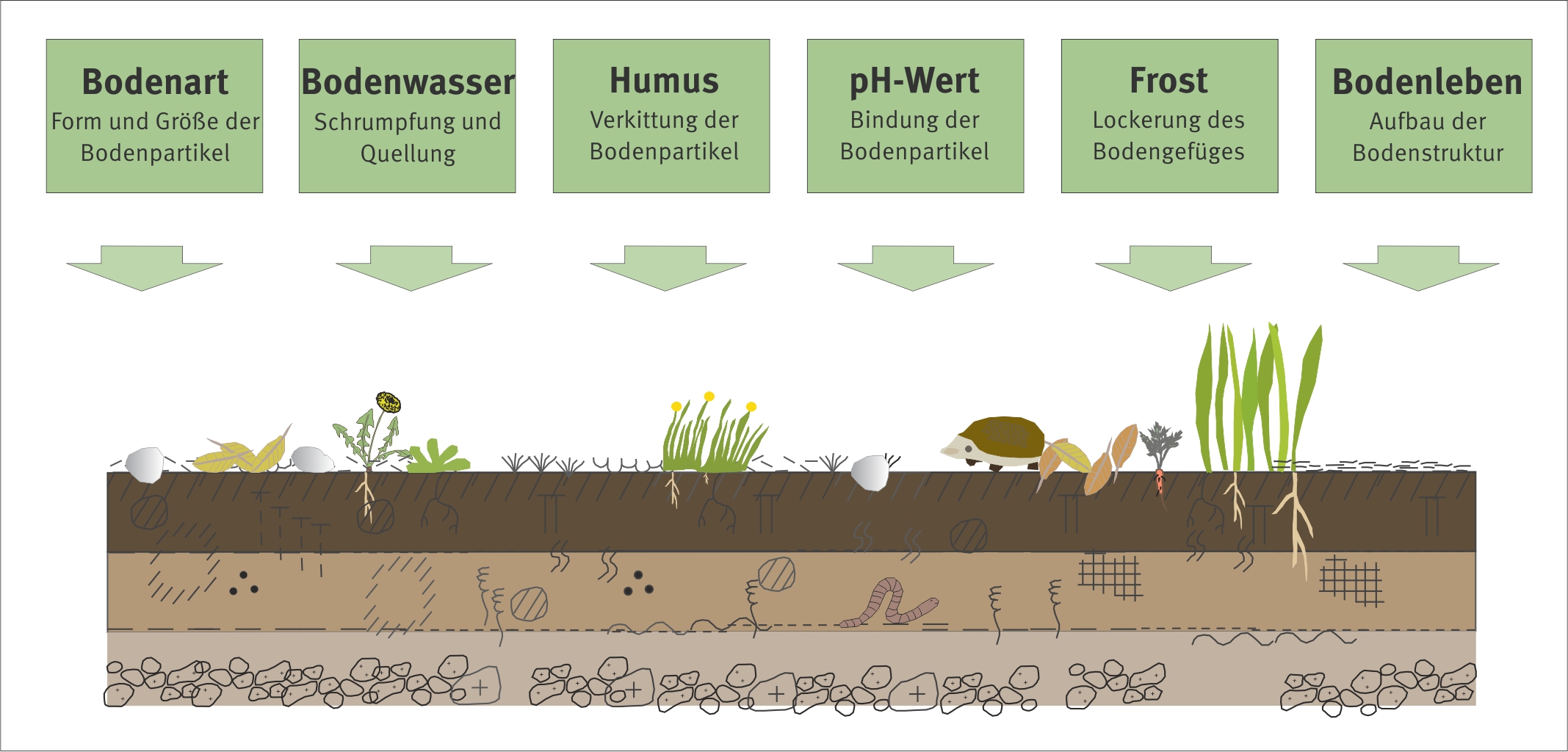
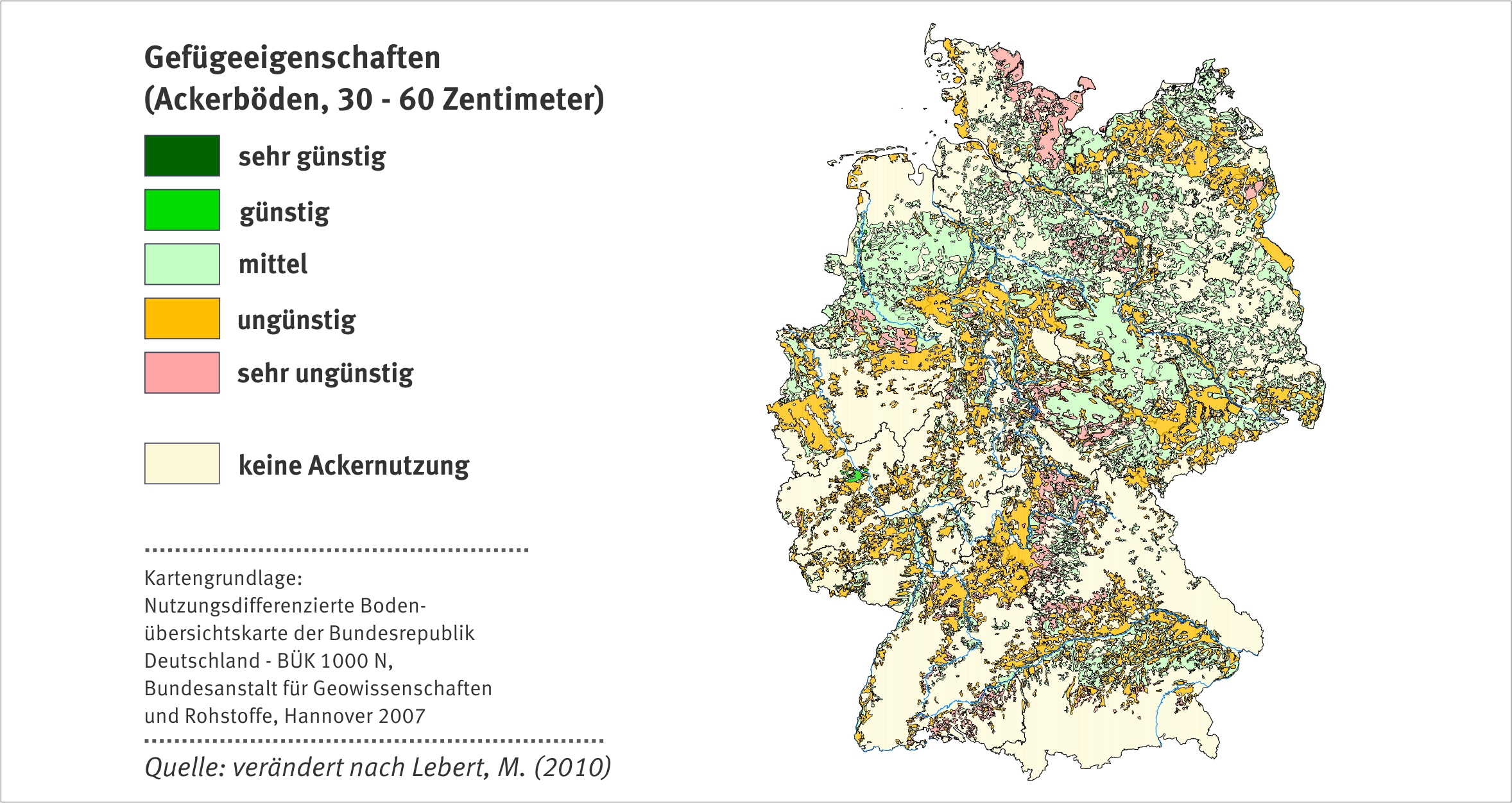
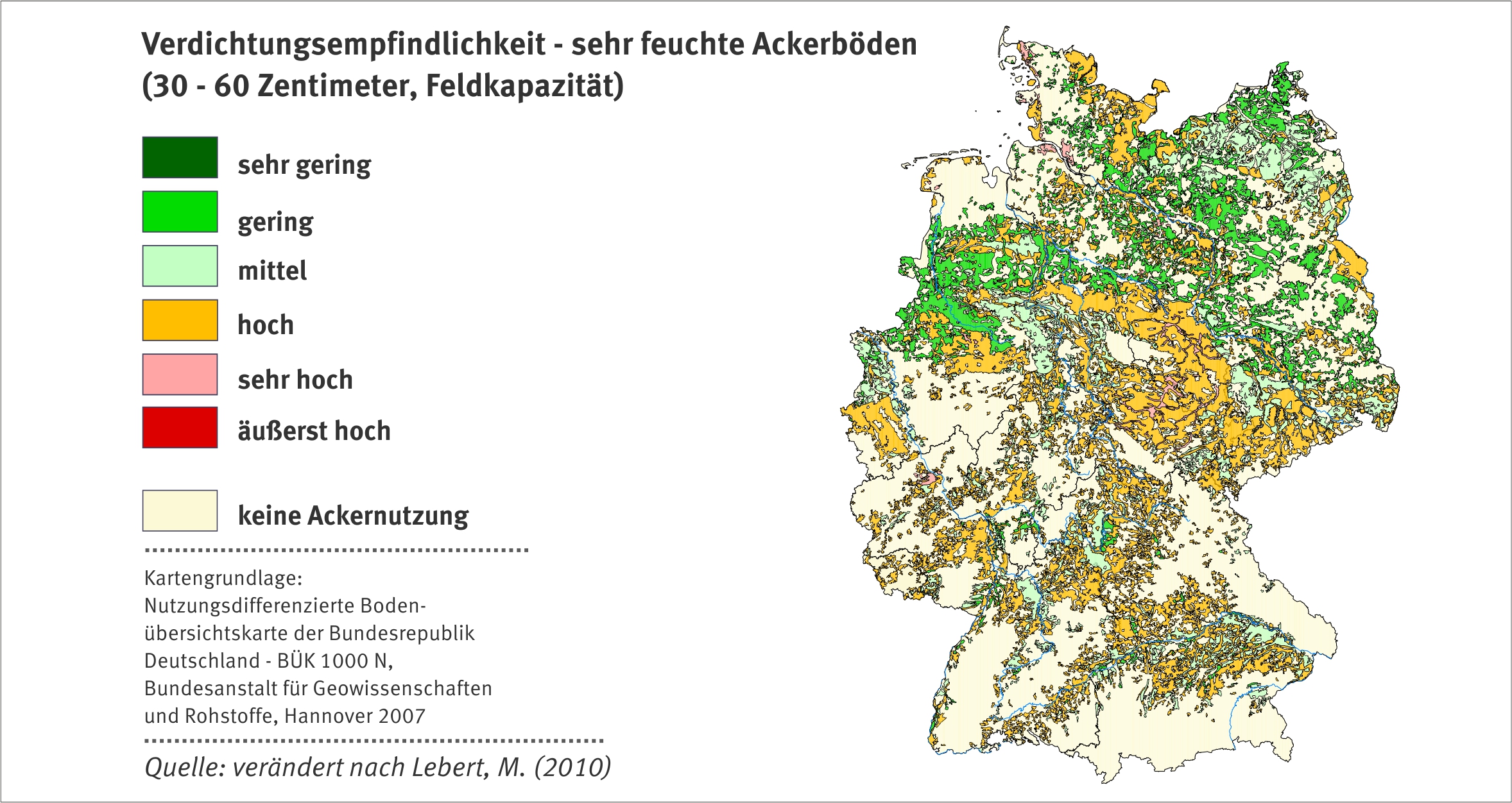
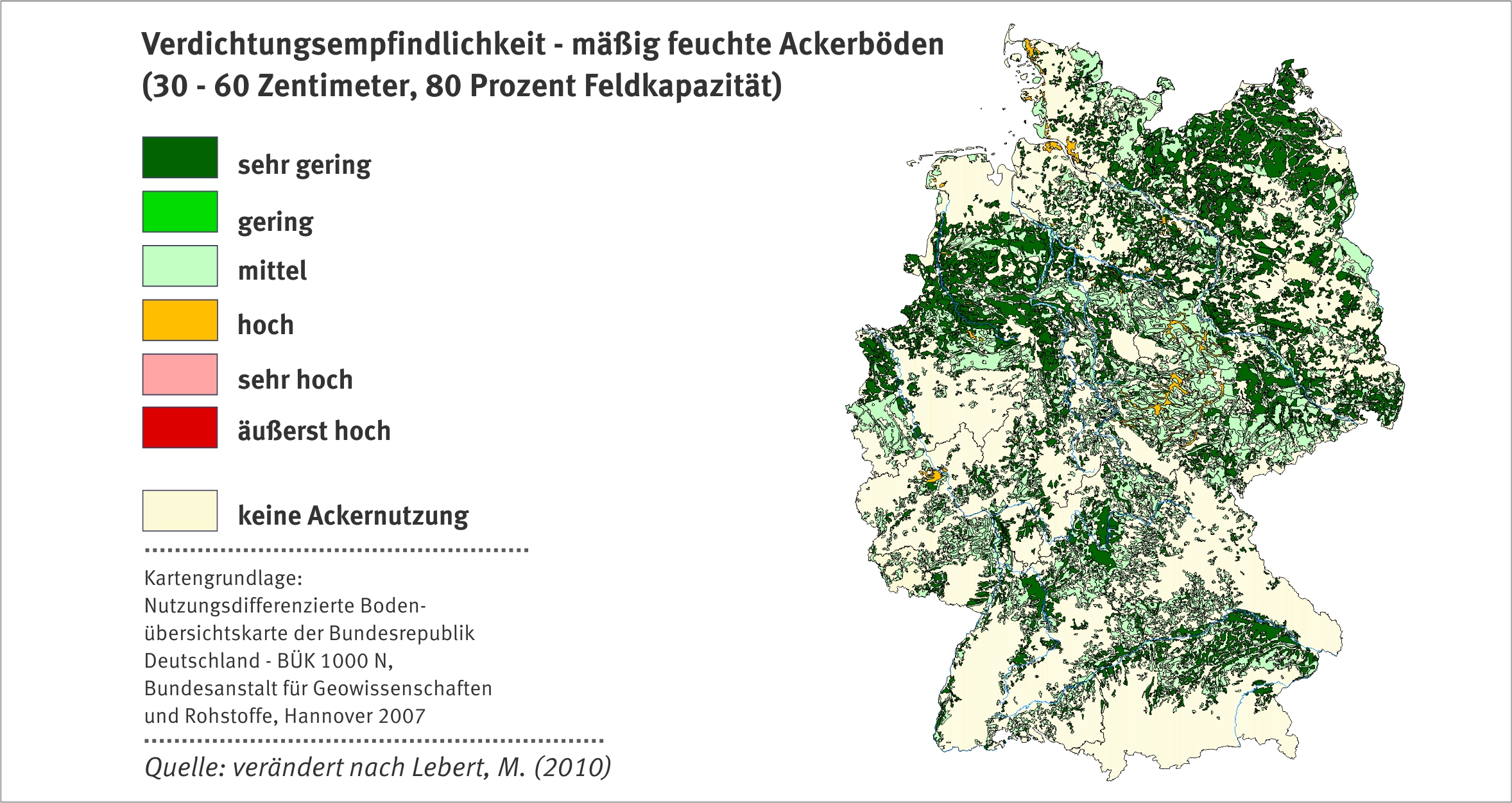
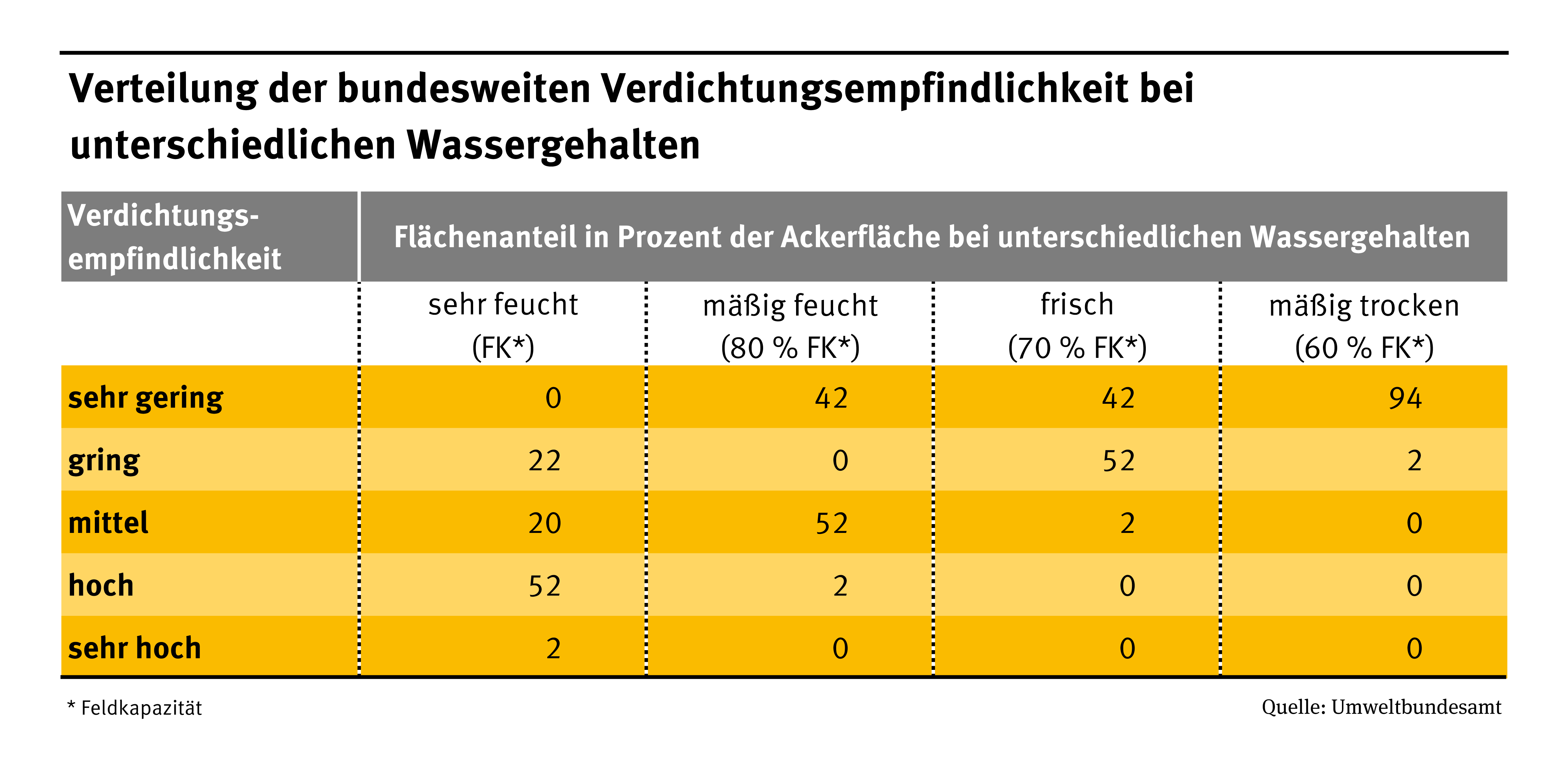
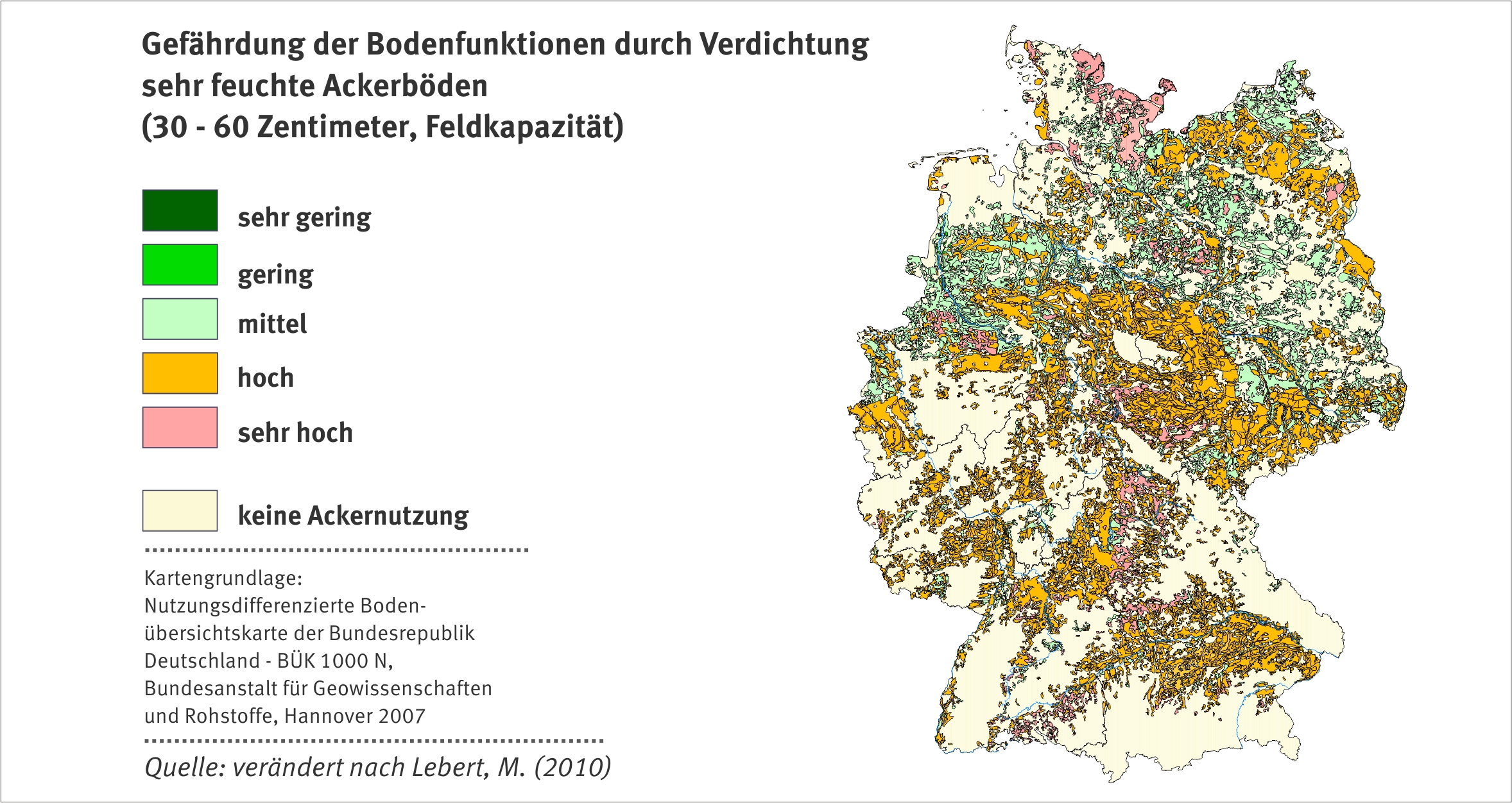
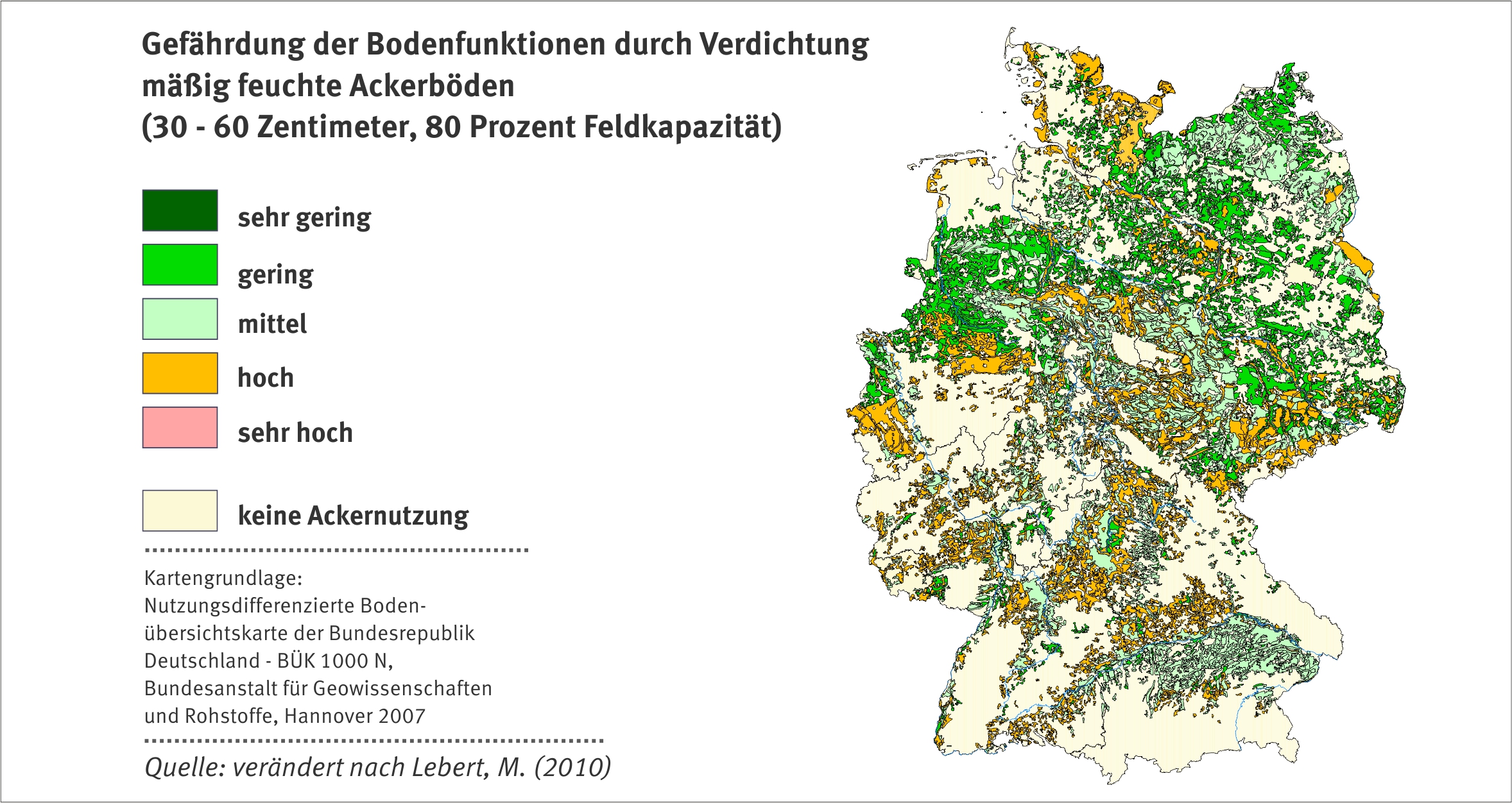
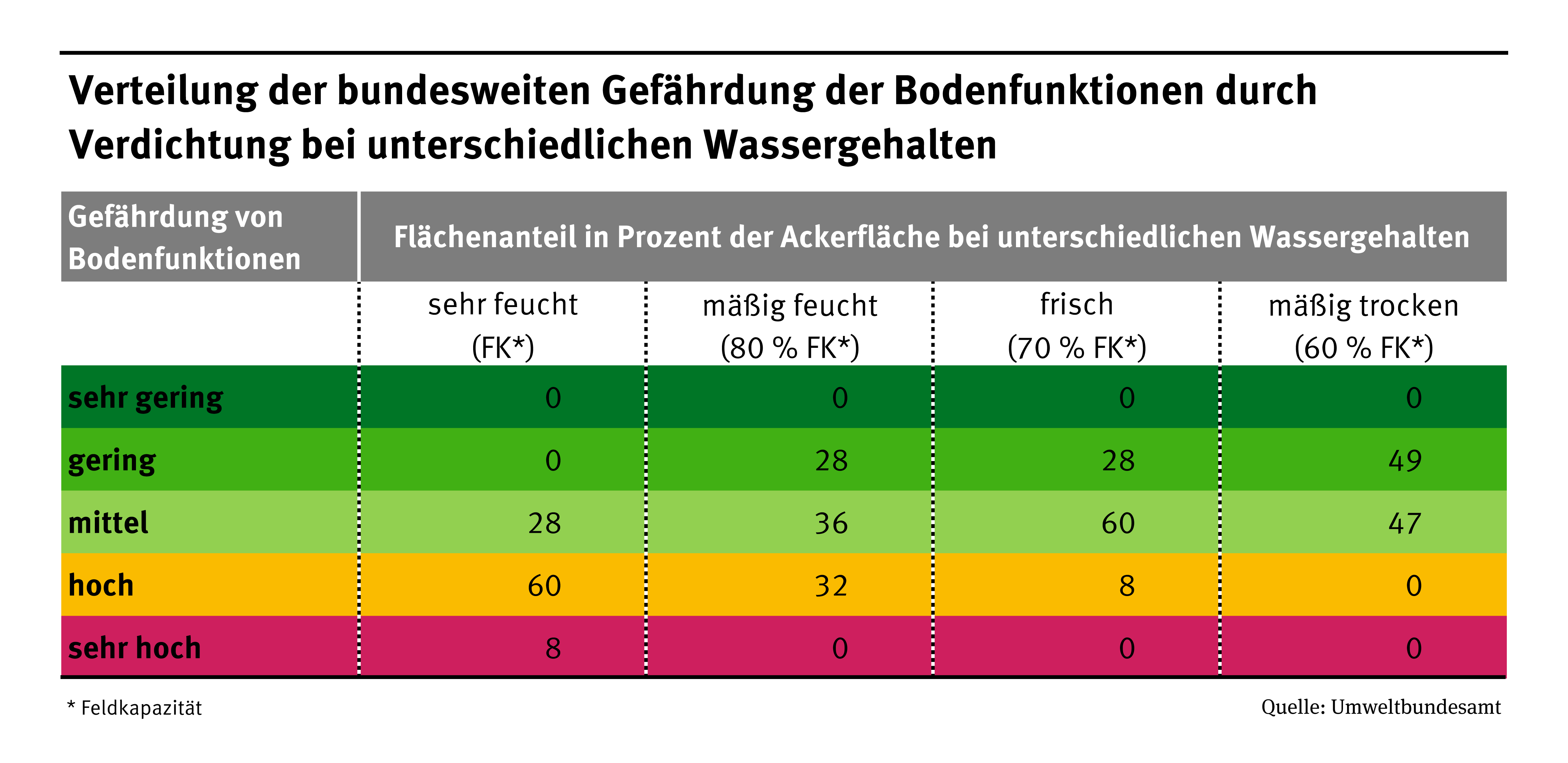
Inasmuch as soil water content has a major impact on soil stability and susceptibility to compaction, it is important for growers to be familiar with local conditions so as to be able to take suitable measures and avoid additional compaction.
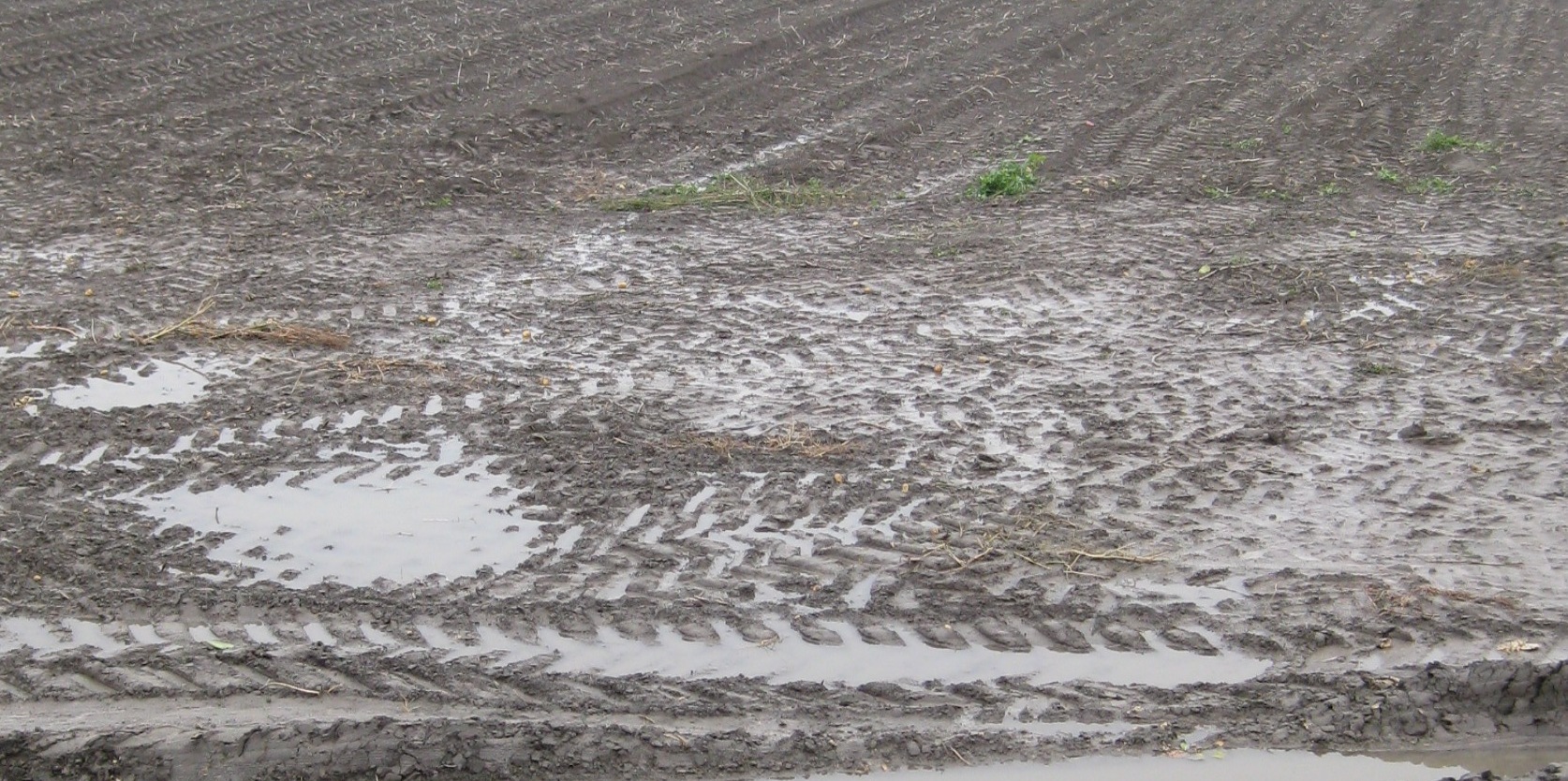
It is likewise essential that farmers avoid driving machinery over the ground while it is wet, and that suitable measures be taken when equipment is driven over damp ground.
Soil stability optimization
Soil stability can also be optimized by reducing tillage depths and intensity through the use of conservation tillage, which (a) protects soil organisms; (b) keeps the soil structure intact; (c) reduces fuel costs; and (d) helps to prevent erosion in that crop residues remain on the surface instead of being ploughed under.
Leveraging the technical potential of vehicles and equipment
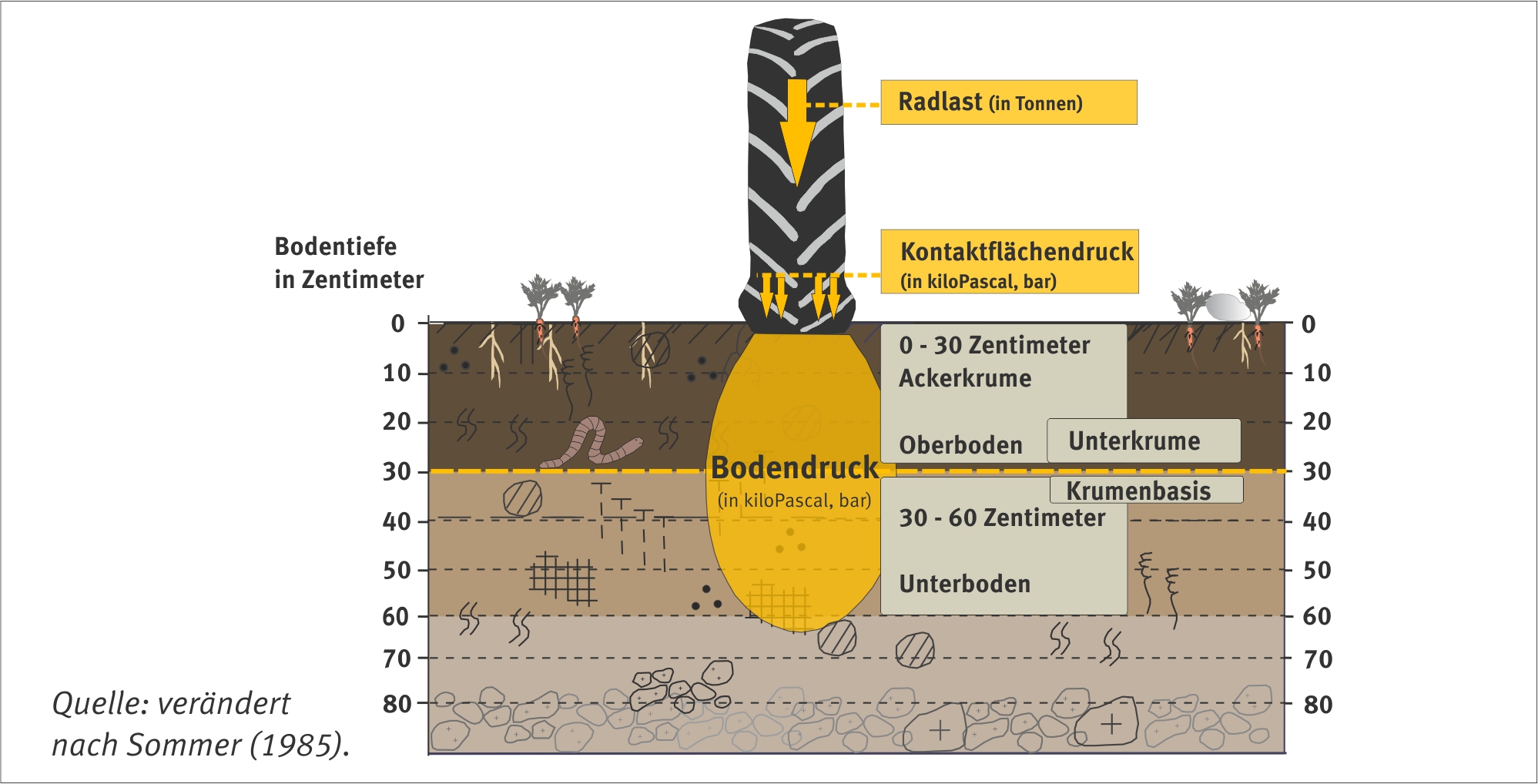
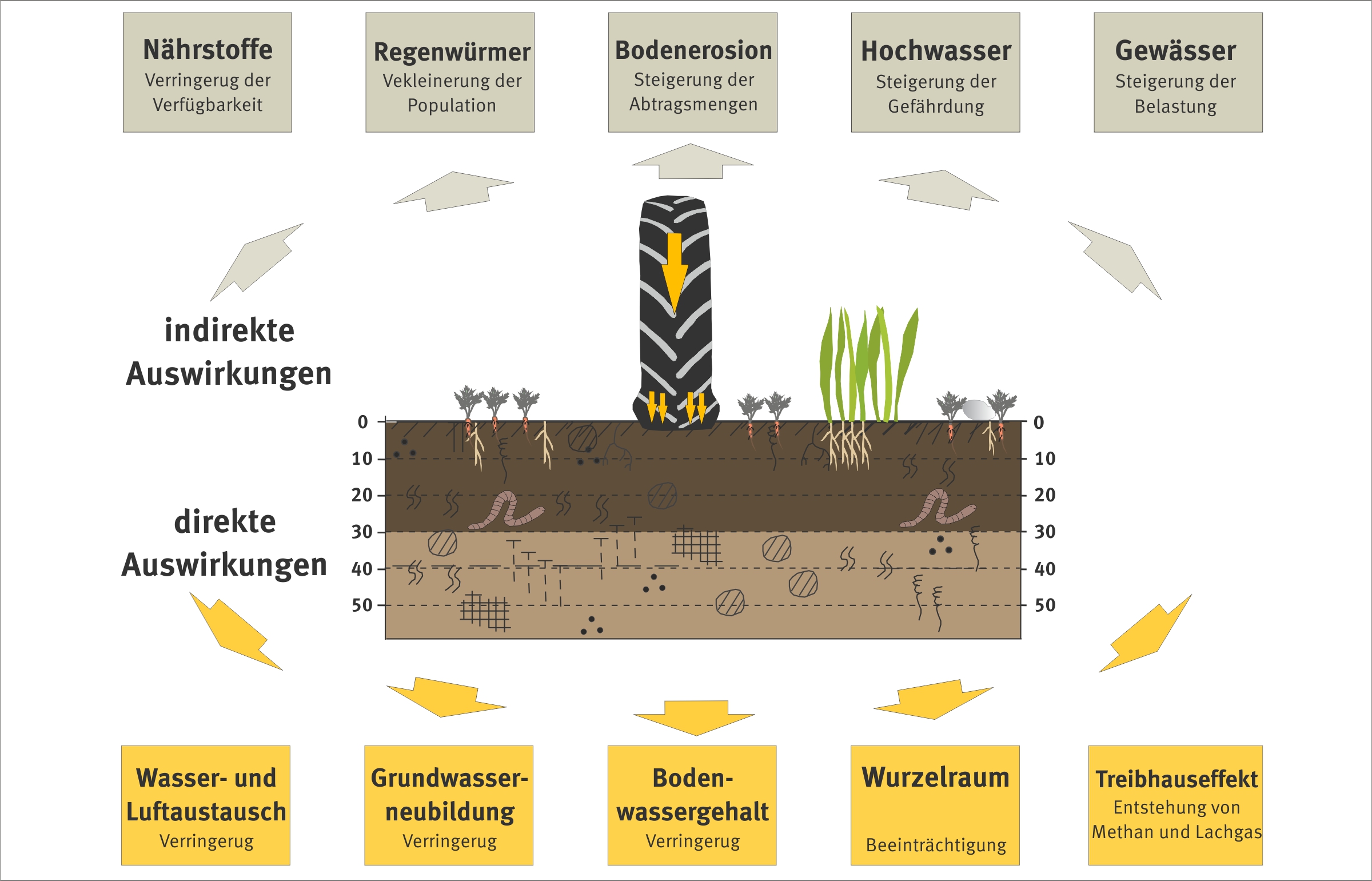
In the interest of protecting the soil and particularly the topsoil, the pressure exerted on it by farm machinery can be reduced through the following measures:
- Use of wide flotation tires
- Reduced tire pressure
- Use of a central tire inflation system when switching from tillage to road operation
- Avoiding the use of narrow or road tires on cropland
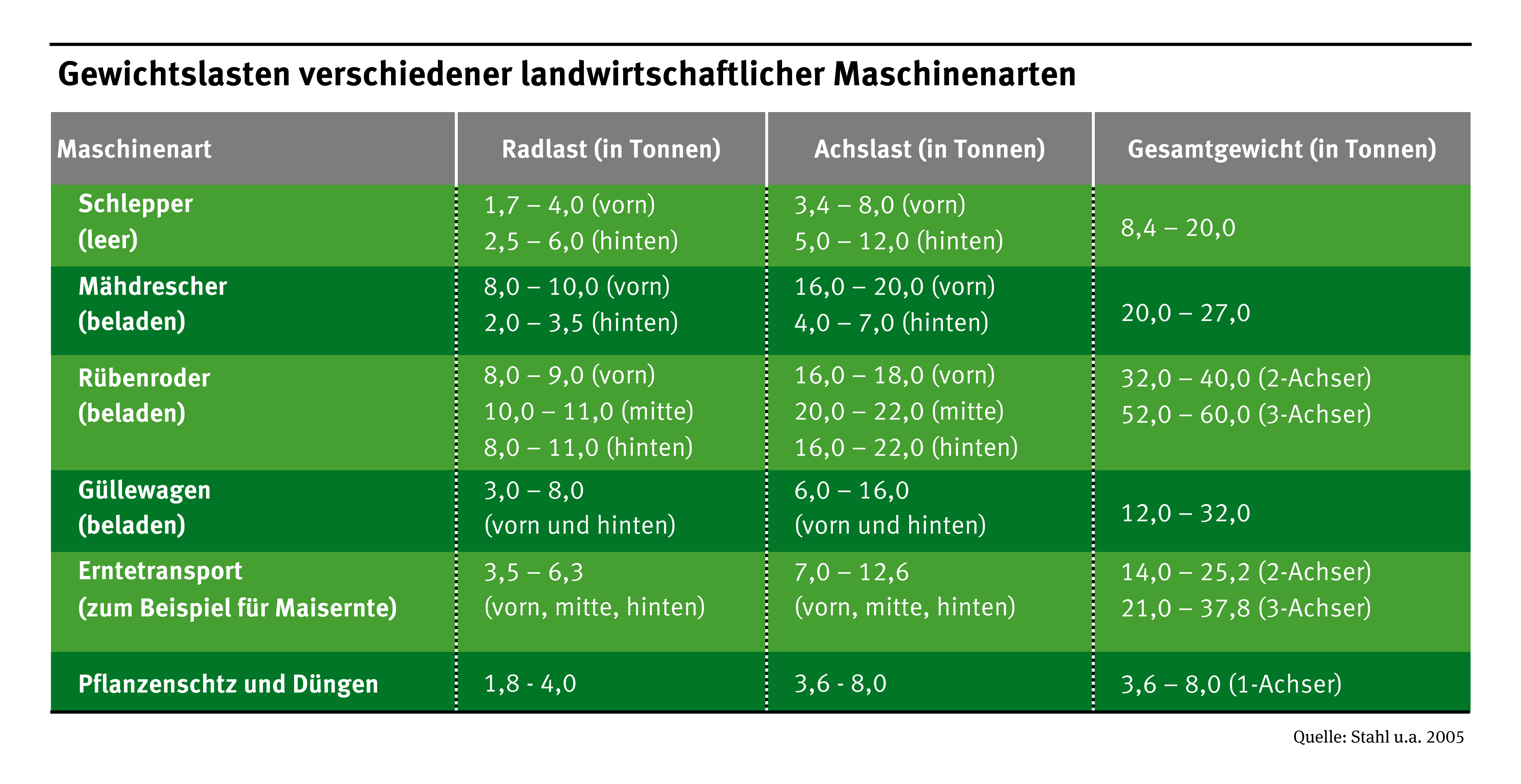
Deeper soil substrates can be protected by reducing wheel load and total weight, via the following measures:
- Using pulled rather than mounted equipment
- Using semi-mounted rather than mounted equipment
- Adjusting harvesting to soil water content
- Equal load distribution
- Use of vehicles with articulated steering and additional axles
Work process optimization
Apart from merely technical measures, farmers can also optimize their work processes through measures aimed at reducing wheeled-equipment use frequency and the amount of surface area on which such equipment is driven, via the following measures:
- Onland tillage, i.e. driving outside of furrows during conventional plowing
- Combining work processes
- Not driving over fields with empty equipment
- Increased tillage widths
- Creation of driving path systems
- Adapting furrow lengths to vehicle harvesting capacity
Avoiding forestry and construction soil compaction
The aforementioned anti-compaction farming measures are also useful for forestry operations, which imperatively need to take the extremely long regeneration times of forest soils into account. Such soils are not loosened, and because they are shallower than cropland soils, are more susceptible to compaction. And inasmuch as compacted or damaged forest soils remain significantly impaired as much as ten years onward, the following measures should be implemented for such soils:
- Avoidance of extensive and unregulated use of vehicles.
- Establishing a system of wood harvesting paths
- Reducing wood transport in the presence of extremely unfavourable and damp soil conditions.
Construction also contributes to soil compaction, in that the construction process per se often involves extensive site operations. This can be avoided by implementing suitable measures, particularly for farmland, which is often used for wind farms, as well as for access road construction and property development operations. Apart from the relevant technical options, it is above all essential that organizational measures be taken for construction roadway plate planning that allow for optimal soil stewardship. The following measures come into play in this regard:
- Avoidance of extensive and unregulated use of wheeled equipment.
- Building proper construction site roadways
- Designating specific areas for construction material storage
- Designating specific areas for construction waste storage
- Covering the ground with flexible modules or steel plates when ground in proximity to construction site roadways is damp or wet