How to handle lithium batteries and rechargeable batteries correctly
Lithium batteries and rechargeable batteries are safe when handled properly.
If used or stored improperly, lithium batteries and rechargeable batteries can cause fires.
Do not use defective, damaged, deformed or swollen batteries and rechargeable batteries.
Follow our easy-to-use charging rules outlined here to minimise potential damage. At the same time, you will also extend the service life of your batteries.
Batteries and rechargeable batteries (including damaged ones) should not be disposed of with household waste. Dispose of used batteries and rechargeable batteries properly in the collection boxes in shops or at municipal collection points.
Know how
Lithium batteries and rechargeable batteries have many advantages over older generation batteries and rechargeable batteries. They are characterised in particular by high energy densities (high cell voltages and capacities), barely perceptible self-discharge at normal room temperatures and long service lives. Another characteristic is that the disadvantageous memory effect, which for years was responsible for reduced usability in nickel-cadmium rechargeable batteries, no longer occurs.
One disadvantage is the fire hazard that can arise from the improper use of lithium-containing batteries and rechargeable batteries. Proper handling during use and proper disposal at the end of their service life are therefore particularly important.
How to identify lithium-containing and rechargeable batteries: They are commonly found in notebooks, laptops and tablets, smartphones and mobile phones, cameras, remote controls, wireless (in-ear) headphones and often their charging cases, model making, toys, tools, drones, household and garden appliances, e-cigarettes and medical devices. In addition, they are usually the main source of energy for electric mobility in electric cars, e-bikes, pedelecs and e-scooters. If the product already contains an integrated battery, it is most likely a lithium-ion battery. Lithium-containing batteries and rechargeable batteries can often be identified by the voluntary labelling ‘Li’ or ‘Li-Ion’ for lithium.
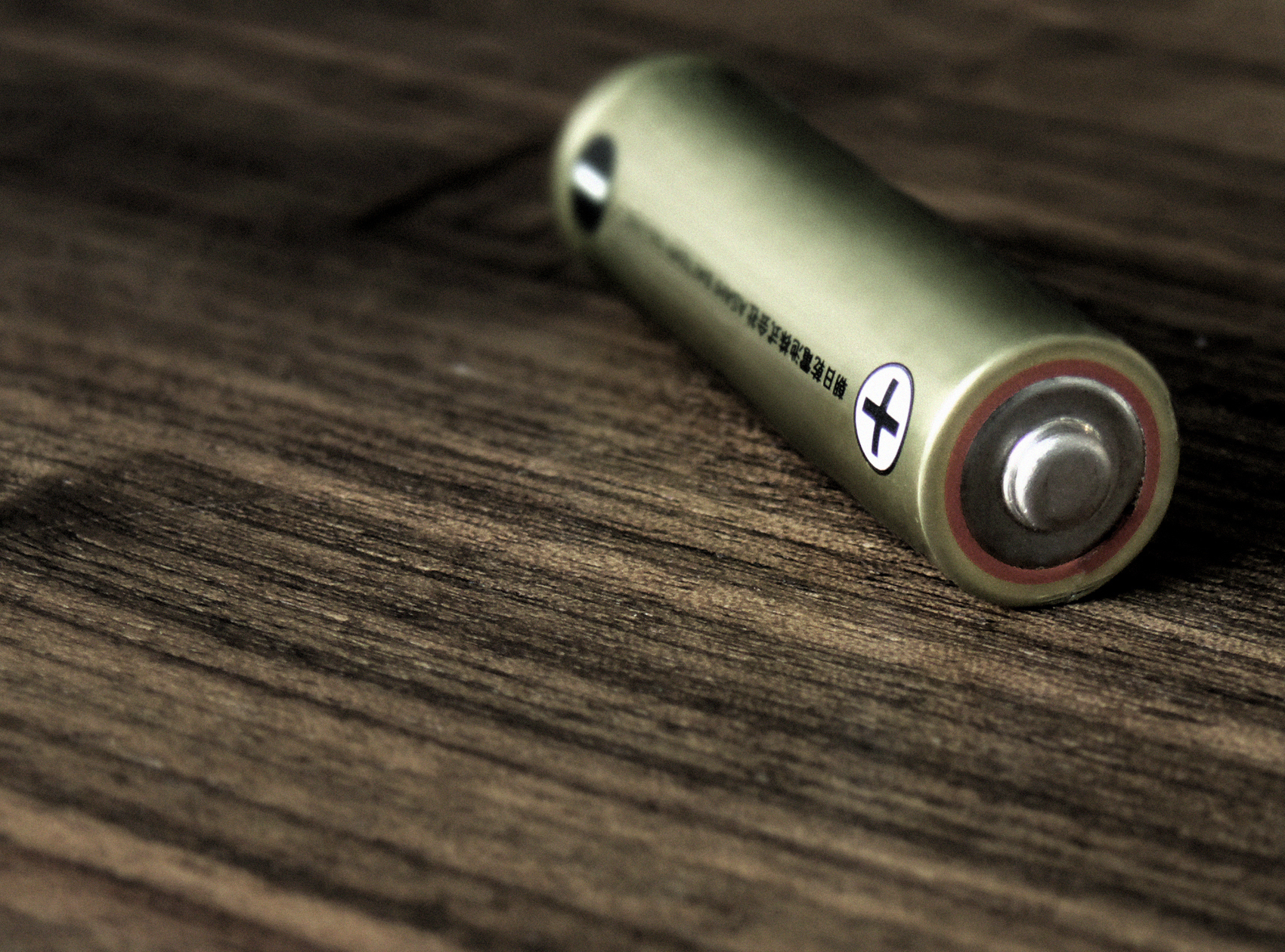
Lithium batteries and rechargeable batteries are available in many different designs and sizes. For example, Li batteries are available in cylindrical AA size, as 9-volt block batteries and button cells. Li-ion rechargeable batteries, on the other hand, are often designed very individually, depending on the device in which they are installed. Customised shapes and sizes are designed to take maximum account of the specific characteristics of the devices. However, this diversity can make it difficult to obtain replacement batteries after only a short period of use. This should therefore be taken into account when purchasing a new product. We assume that with the increasing digitalisation and electrification of everyday life, the variety of battery- and rechargeable battery-powered applications and the associated energy storage devices will continue to grow.
Handle with care! Due to the high risk potential, conscious and careful handling during the usage phase is particularly important. Internal and external short circuits can be caused by mechanical damage, thermal effects, or improper storage and handling, and can have serious consequences. If gaseous or liquid substances escape, they may be harmful to the environment and hazardous to health (for example, they may be highly irritating). A short circuit caused by contact between the outer battery terminals (metal touching metal) may result in a fire or an explosion.
Implement precautions when charging: The risk of danger is particularly high during charging. Therefore, only use chargers and cables designed for the battery or device in question. If possible, charge your devices in an area equipped with smoke and fire detectors, ensuring there are no flammable materials or objects nearby. Stay nearby while charging and do not charge your devices while you are asleep. This helps to ensure that potential hazards are detected in time.
Observe further safety instructions:
Handle your lithium batteries and rechargeable batteries with great care. Protect them as much as possible from mechanical damage, e.g. from knocks, blows and falls.
Remove damaged, deformed, swollen or ‘degassed’/leaking lithium-containing batteries and rechargeable batteries from the device. Take them immediately to one of the many collection points (e.g. in shops), ideally with the terminals taped over and, for your own safety, in a transport container (screw-top jar).
Do not store or charge batteries outdoors, in damp rooms or in places where very high temperatures are to be expected (e.g. in a garden shed or behind the windscreen in a car). In addition to reducing potential hazards, this can also extend the service life of the batteries. For example, you should not expose your pedelec or e-scooter to direct sunlight. Instead, park them in shaded areas wherever possible.
Behaviour in case of fire: Burning lithium-containing batteries and rechargeable batteries can release highly irritating, corrosive and toxic fumes and substances. Therefore, the potential danger in case of fire is high. Therefore, relevant information about the fire can be extremely useful for the fire brigade. Fires of this type are often successfully extinguished using enormous amounts of water.
How to extend the lifespan of lithium batteries
This guide explains how to extend battery life by maintaining moderate temperatures and keeping charge levels between 40–50% during long-term storage. It advises using correct chargers, avoiding physical damage, and never leaving batteries fully empty or permanently plugged in. Finally, it emphasizes that damaged batteries are a fire hazard and must always be recycled at official collection points rather than thrown in the household trash.
Source: Umweltbundesamt | 2026
Extend service life: You can effectively extend the service life of your lithium-ion battery by taking the following measures:
Do not expose your batteries to heat or cold. High temperatures, especially above +50°C, and very low ambient temperatures below freezing, especially below -20°C, can significantly shorten the life of your battery.
Batteries and devices should be stored at a temperature between 10 and 25 °C. Unfavourable storage locations include sunny garden sheds, storage areas behind car windscreens, and sunny bicycle parking areas. Do not store batteries in the refrigerator, as condensation may form.
Avoid completely discharging and recharging the battery. Instead, recharge your battery early and only to approximately 90% of its maximum charge capacity.
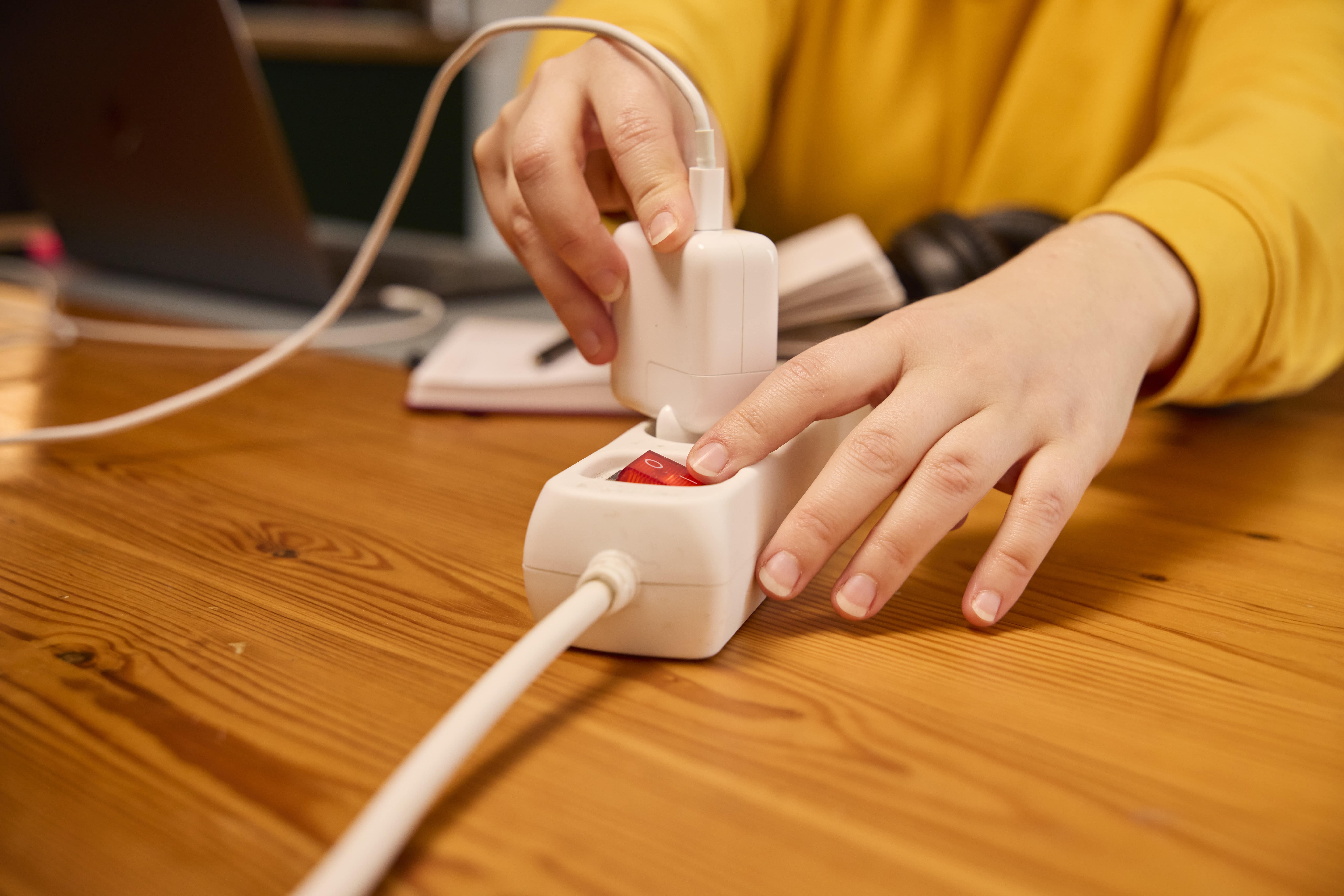
After charging a battery, you should disconnect the charger from the mains: this will prevent unnecessary heat exposure, which can reduce its service life.
Continuous mains operation of devices with batteries that are not removed reduces the service life of the batteries, particularly due to the effects of heat. This is the case, for example, with laptops, which are mostly connected to the mains.
For longer storage periods, e.g. when storing battery-powered garden tools over winter, manufacturers recommend a battery charge level of approx. 40–50%. The battery will gradually discharge itself during storage. Make sure to recharge the battery to 50% in good time if necessary to avoid deep discharge, which shortens its service life.
Dispose of correctly: End users are legally obliged to return all used batteries and rechargeable batteries, including damaged ones and button cells, to designated collection points – e.g. used battery collection boxes in shops. It is therefore prohibited to dispose of used batteries in household waste or even carelessly in the environment. The symbol of a crossed-out wheelie bin on batteries or packaging specifically indicates that they should be collected separately and that used batteries do not belong in household waste.
In return, collection boxes for end users must be made available wherever batteries are sold. Under the Battery Act, distributors (retailers) of batteries must take back used batteries from end users free of charge at or in the immediate vicinity of the retail outlet. The take-back obligation is limited to used batteries of the type (appliance, vehicle or industrial batteries) that the distributor carries or has carried in its range as new batteries, as well as to the quantity that end users typically dispose of. Collection and take-back points can also be identified by the standardised ‘Battery Take-Back’ logo.
Label for battery collection points
Source: Batterie Zurück
Separate collection keeps harmful substances out of household waste and the environment, reduces fire risks during disposal and ensures that valuable metals and materials remain in circulation. What many people don't know is that collected used batteries are sent exclusively for recycling. Valuable metals such as nickel, cobalt, lithium, manganese, copper, iron, aluminium and even silver can be recovered and reused as secondary raw materials.
Large lithium-ion batteries (high-energy batteries) that are no longer in use – for example, from e-bikes, pedelecs and e-scooters – are considered industrial batteries and are taken back free of charge by the distributors of this type of battery. This may be a retailer of e-bikes, provided that they sell replacement batteries for e-bikes. Selected municipal collection points (qualified collection points) also take back industrial batteries free of charge in addition to portable batteries. Before returning your batteries, find out whether your recycling centre accepts this type of battery free of charge. Old batteries from power tools, garden tools and household appliances such as robot vacuum cleaners, on the other hand, are classified as portable batteries and are therefore taken back by portable battery distributors and municipal collection points.
For used batteries and rechargeable batteries containing lithium, tape over the terminals beforehand to prevent external short circuits. When disposing of old electrical appliances that contain batteries or rechargeable batteries, these should be removed beforehand wherever possible.
‘There is a way back! Make old batteries and rechargeable batteries happy again!’
With these slogans, the public awareness campaign Batterie Zurück (Battery Back), commissioned by the take-back systems for used batteries, draws attention to the correct disposal of used batteries and the importance of battery collection and recycling. The campaign website provides useful information on the topic of battery return. In addition, very appealing communication and download materials are provided.
Damaged and leaking used Li- batteries and accumulators: Used batteries and accumulators containing lithium that are swollen, deformed, degassed or ‘leaking’, or have a ‘greasy film’ or external deposits around the terminals, are defective and should not be reused or opened under any circumstances. The potential danger is increased at this point. Failure of safety mechanisms can lead to spontaneous self-ignition or explosions.
Therefore, dispose of them immediately at the designated collection points (e.g. shops or recycling centres) and, as a precaution, make sure staff accept them. Speak to the specialist staff and point out the damage. This procedure is even more important for high-energy batteries. For transporting used batteries and accumulators for proper disposal, we recommend boxes/cans/buckets/jars that can be sealed and filled with sand. The terminals should be taped over to prevent external short circuits. Do not store batteries and rechargeable batteries in the refrigerator or anywhere where they may be exposed to moisture. Lithium can also cause damage if it comes into contact with water.
If possible, do not touch ‘greasy’ or leaking batteries and rechargeable batteries without protective gloves. If you come into contact with leaking components, wash your hands thoroughly. Wipe off the remains of the ‘greasy film’/electrolyte with a damp cloth and dispose of the used cloth safely.
Batteries do not belong in the residual waste.
Source: complize / photocase.com
Background
Environmental situation: Lithium-containing batteries and rechargeable batteries are of great importance to humans and the environment due to their high risk potential, the large number of materials used in their manufacture, the negative environmental impact associated with the extraction of some of these materials, and the continuing increase in waste volumes. For example, if individual ingredients such as fluorine- or phosphorus-containing indicator salts are released in the event of a fire, the resulting gaseous substances can be irritating, corrosive and toxic, posing a considerable risk to health and the environment. More detailed information on the annual collection and recycling results can be found under the 'Data – Environmental status and trends' heading.