
A pollutant is a chemical or other substance whose properties and concentrations are potentially hazardous to the environment and/or human health. The main soil pollutants are:
- heavy metals and arsenic;
- organic substances and organic compounds (PFAS, PAH, PCB, PCDD/F, PBDE)
- residues of non-biodegradable pesticides, pharmaceuticals etc.
- radionucleides.
Anthropogenic pollutants can originate from industry, agriculture, traffic and private households. Natural sources of pollutants, especially heavy metals and semi-metals, are minerals beeing released through the weathering of rocks and ores during soil formation. Pollutants can also enter the soil after forest fires and volcanic eruptions.
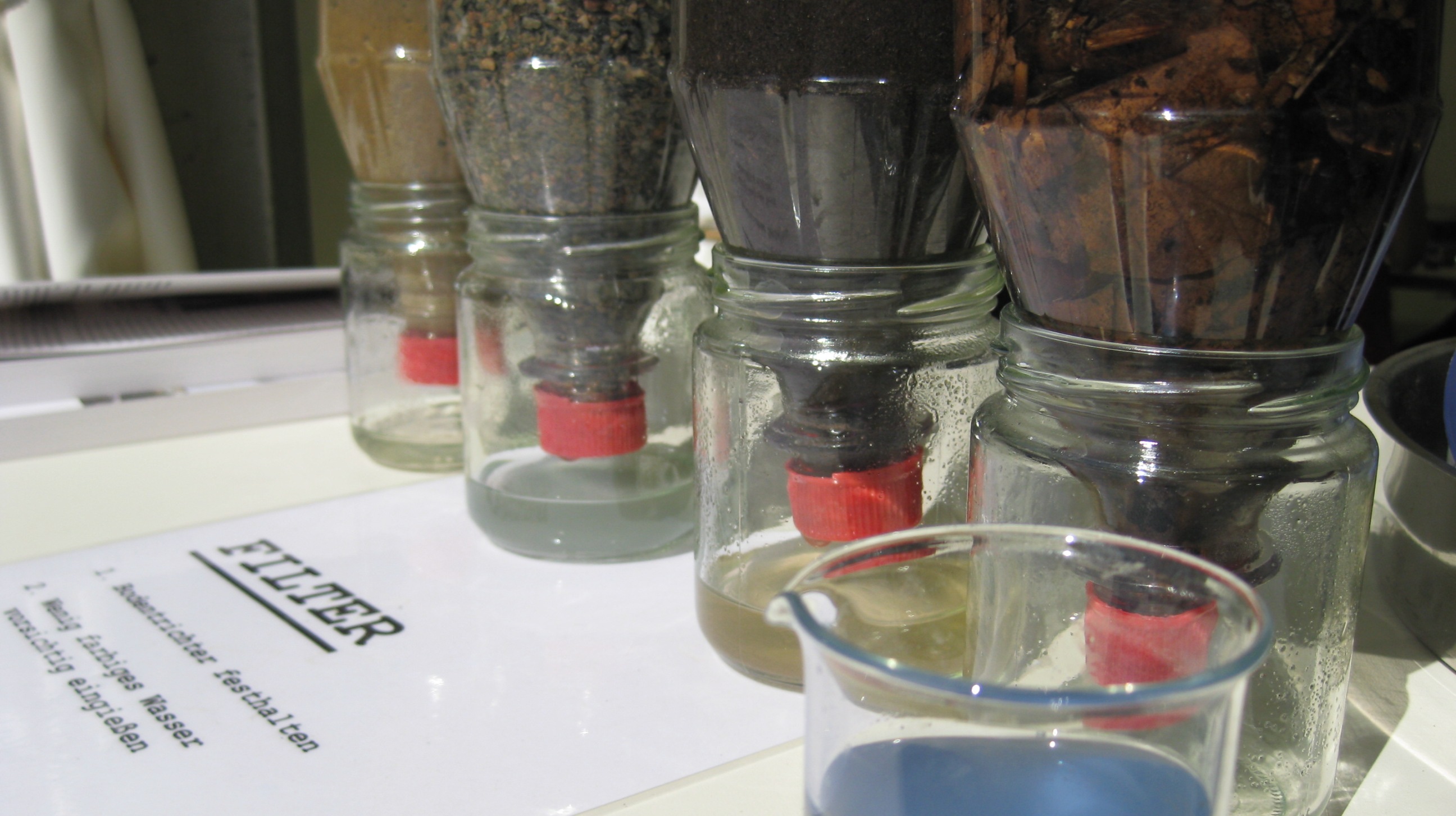
Thanks to their filtering and buffering capacity, soils form a sink for environmental pollutants. The pollutants are filtered out of the seepage water and bound to the soil's organic matter, clay minerals or iron oxides. Buffering neutralizes acidifying inputs of sulphur and nitrogen compounds.
However, pollutants can only be accumulated and bound until the storage capacity of the soil is exhausted. If the filtering and buffering capacity is exceeded, the soil releases the pollutants again. They then enter the groundwater and can be absorbed by plants. In this way, they also enter the food chain.