
Resource use
The high standard of living that we enjoy here in Germany depends entirely on the availability of natural resources. Apart from abiotic and biotic raw materials, we use water, soil, air, biodiversity and land as habitats and for recreational purposes; and for energy we use wind power, solar power and tidal flows. These resources also serve as emission sinks, waste dumps, and as indispensable production factors for farming and forestry.
But unfortunately – and inevitably – resource use across the entire supply chain generates environmental pollution; plus worldwide resource use is growing steadily.
Environmental consequences across the entire supply chain
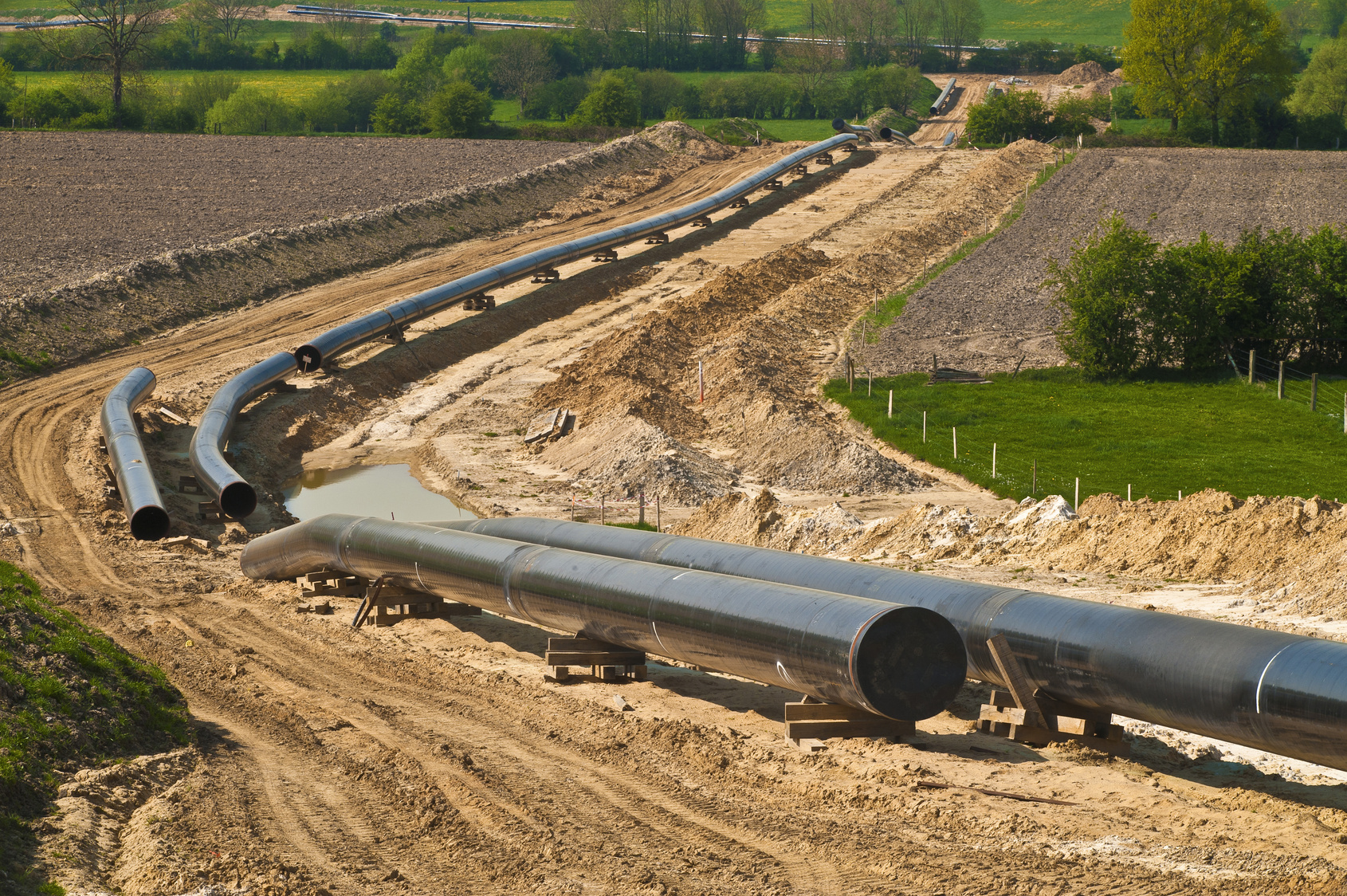
The way we use resources provokes often irreversible ecological change. Extraction and processing of non-regenerative raw materials are often energy intensive activities involving large scale interventions in ecosystems and the water balance and result in air, soil and water pollution. Even the extraction and production of renewable resources often involve extensive use of energy, materials, chemicals and in some cases water; and all this translates into pollution. Greenfield land is often transformed to create arable land and in some cases whole ecosystems are destroyed in the process.
In short, raw material extraction and processing always impact on the environment, resulting as they do in soil degradation, water shortages, biodiversity loss, damage to ecosystem functions and global warming exacerbation. And that’s not all. For the use of products made of raw materials almost always results in greenhouse gas emissions, pollution, ecosystem damage and/or biodiversity loss. Products need energy and water, as well as land for shipping, marketing and use. Improper product use provokes noxious emissions that can end up in our water, soil and air. The very infrastructure elements that we take for granted such as our homes, not to mention countless daily activities, often involve extensive resource use and result in greenfield land being paved over, damage to ecosystems and spoiling the beauty of nature.
And even at the end stage of the supply chain, environmental harm is unavoidable. For example, recycling requires energy, using waste for energy generates greenhouse gases and other pollutants, and greenfield land is permanently occupied by waste dumps.
Thus resource use already somewhat exceeds the earth’s regenerative capacities by virtue of the fact that non-renewable natural resources are finite and their quality is often mediocre. The increasing pressure on natural resources resulting from steady worldwide population growth may incite competition from other potential uses.