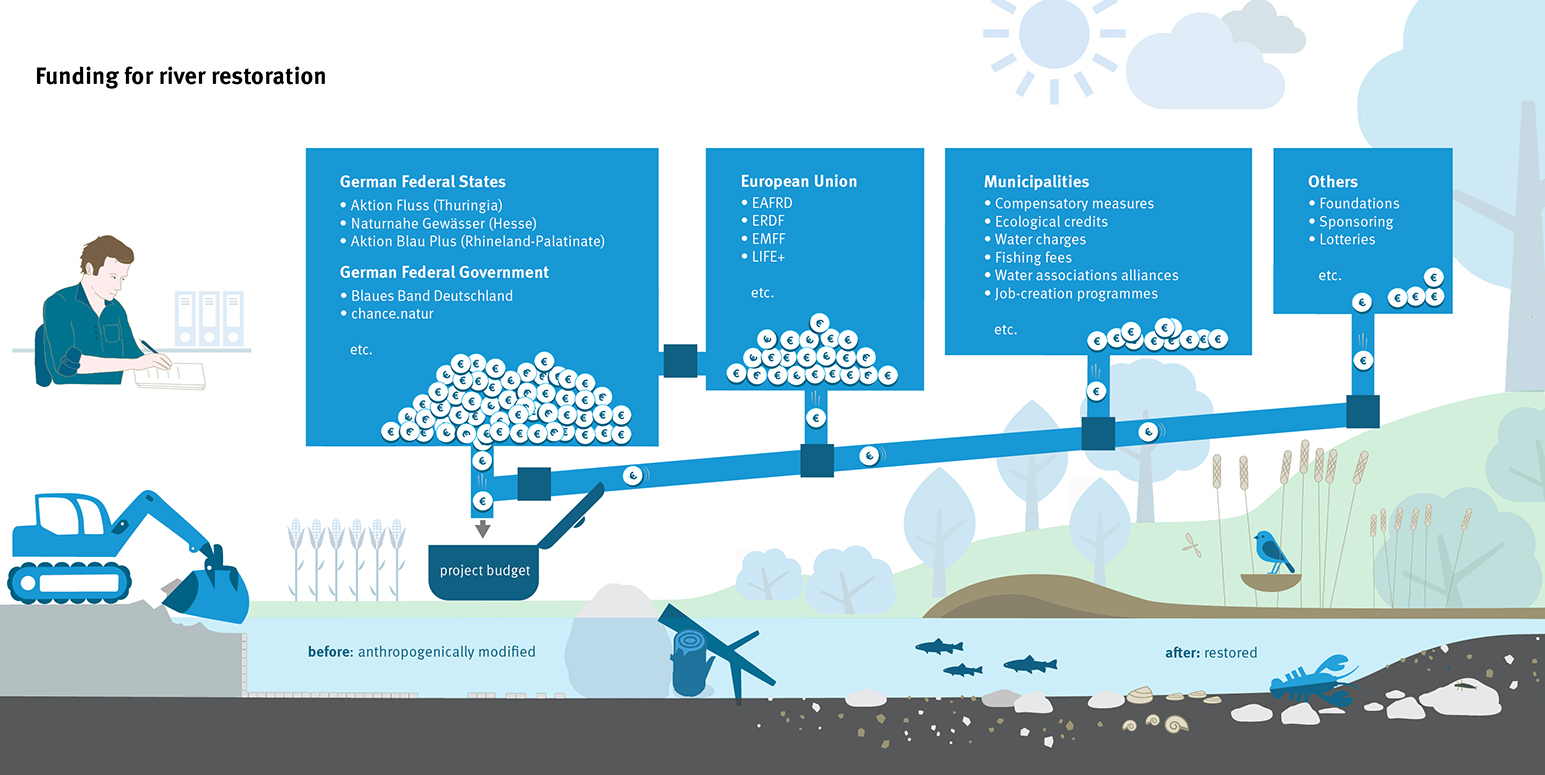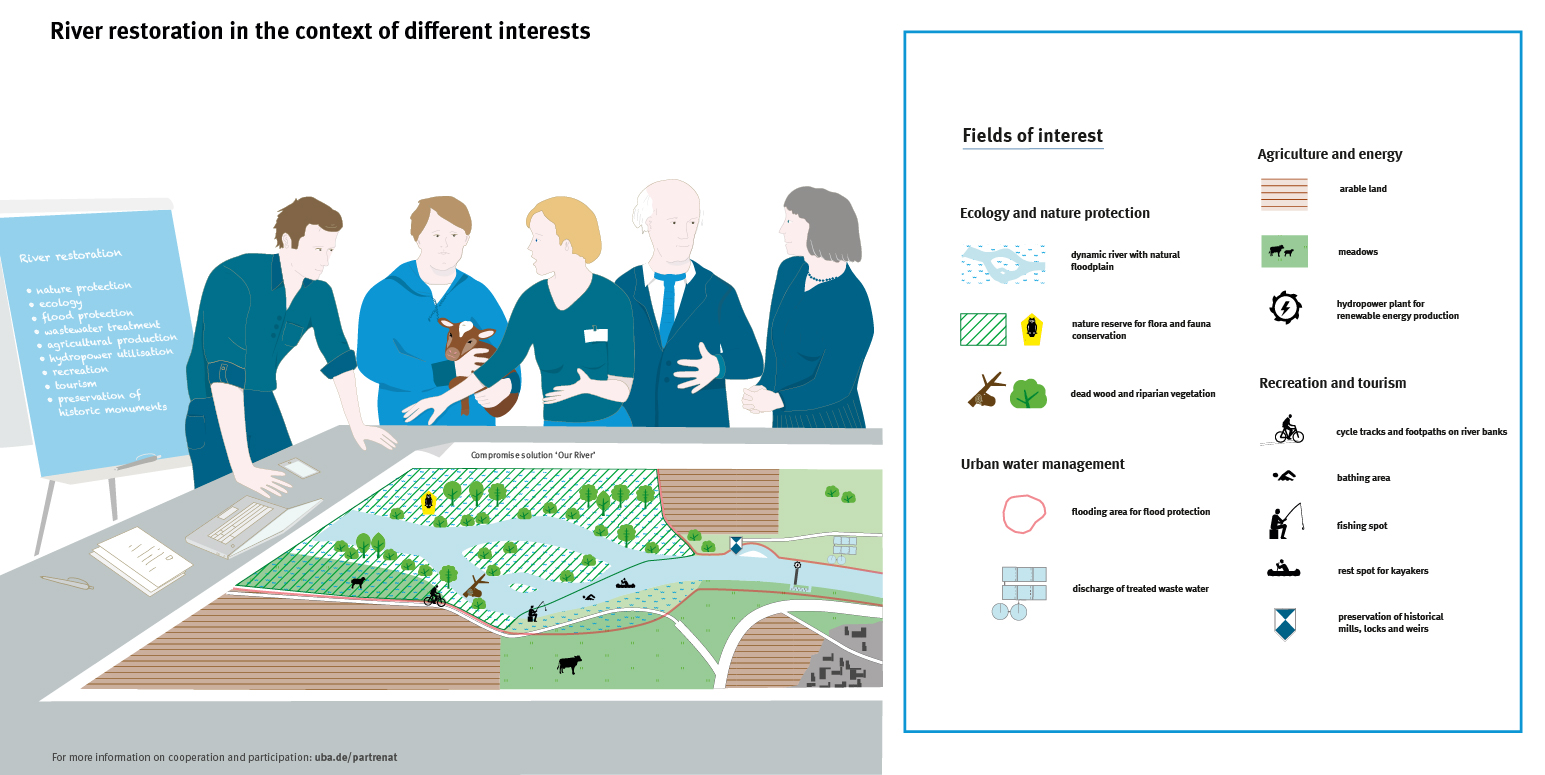

In many German rivers, the objectives of the European Water Framework Directive (WFD) were not achieved by 2015. For this reason, deadline extensions and exemptions were claimed for almost 92 percent of all German surface water bodies (BMU/UBA 2016). Nutrient pollution, hydromorphological pressures and inadequate implementation of river restoration measures are main causes of the deficient status of many water bodies in Germany (UBA 2017).
Consequently, hydromorphological improvements account for the largest share (41.5 %) of the measures planned by the German federal states in the WFD management cycle 2016-2021 (BMU/UBA 2016). The states largely rely on the cooperation and voluntary actions of local stakeholders when it comes to implementing restoration measures. The awareness and priority given to river restoration by local stakeholders should be strengthened because the future status of German rivers depends on how much attention is paid to rivers today.
River restoration is about the sustainable development of water bodies. Natural and near-natural watercourses have many advantages, e.g.:
- They increase the quality of life as landscape-forming elements in urban and rural areas.
- They reduce the risk of flooding for downstream users.
- They provide habitats for numerous plant and animal species.
- They support the degradation of environmentally harmful substances (e.g. wastewater, fertilisers).
- They contribute to adaptation to global climate change.
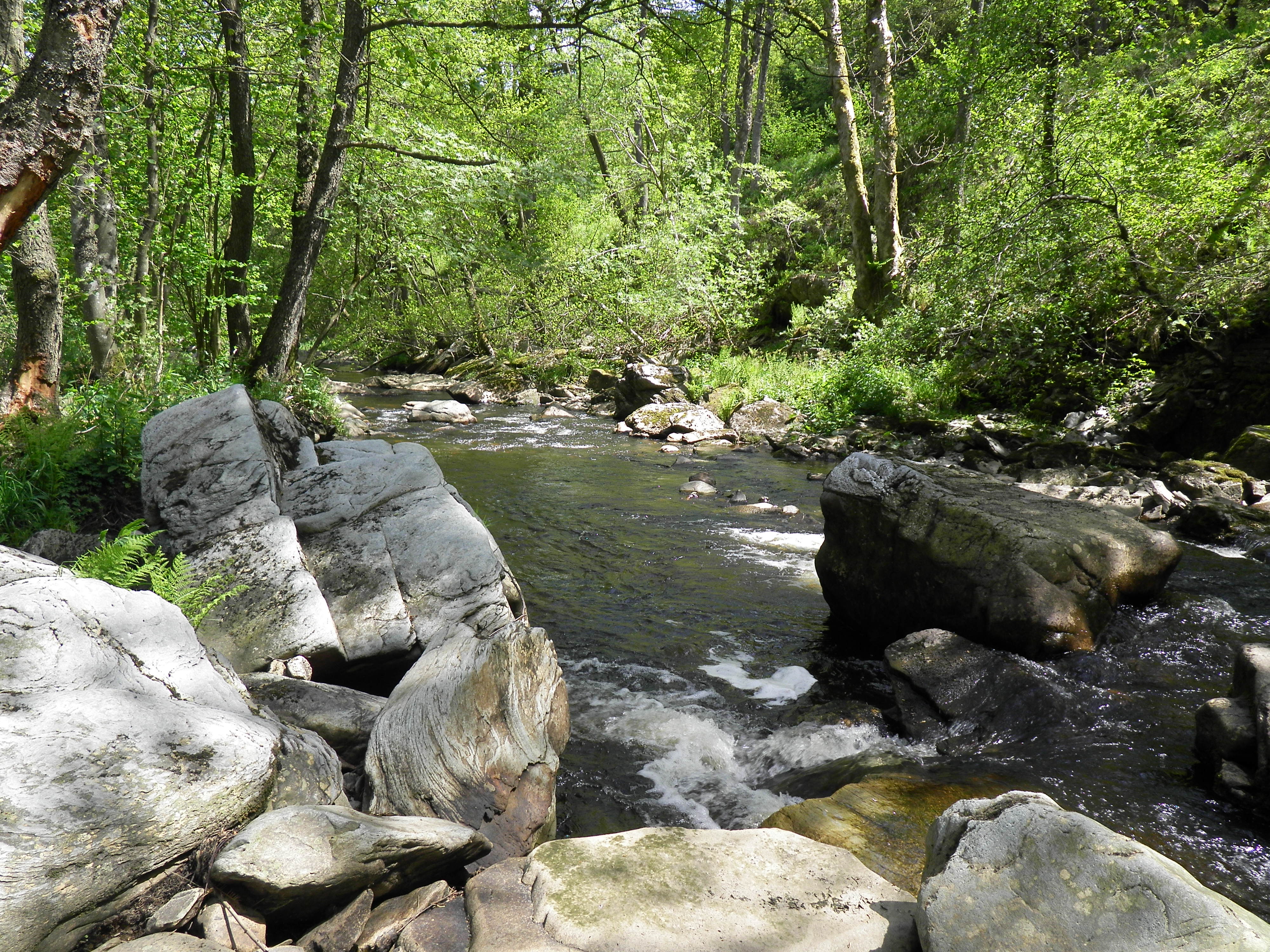
The Rur near Monschau in North Rhine-Westphalia is a typical near-natural mountainous river. With its diverse riverbed and banks, it provides habitats for a large number of plant and animal communities.
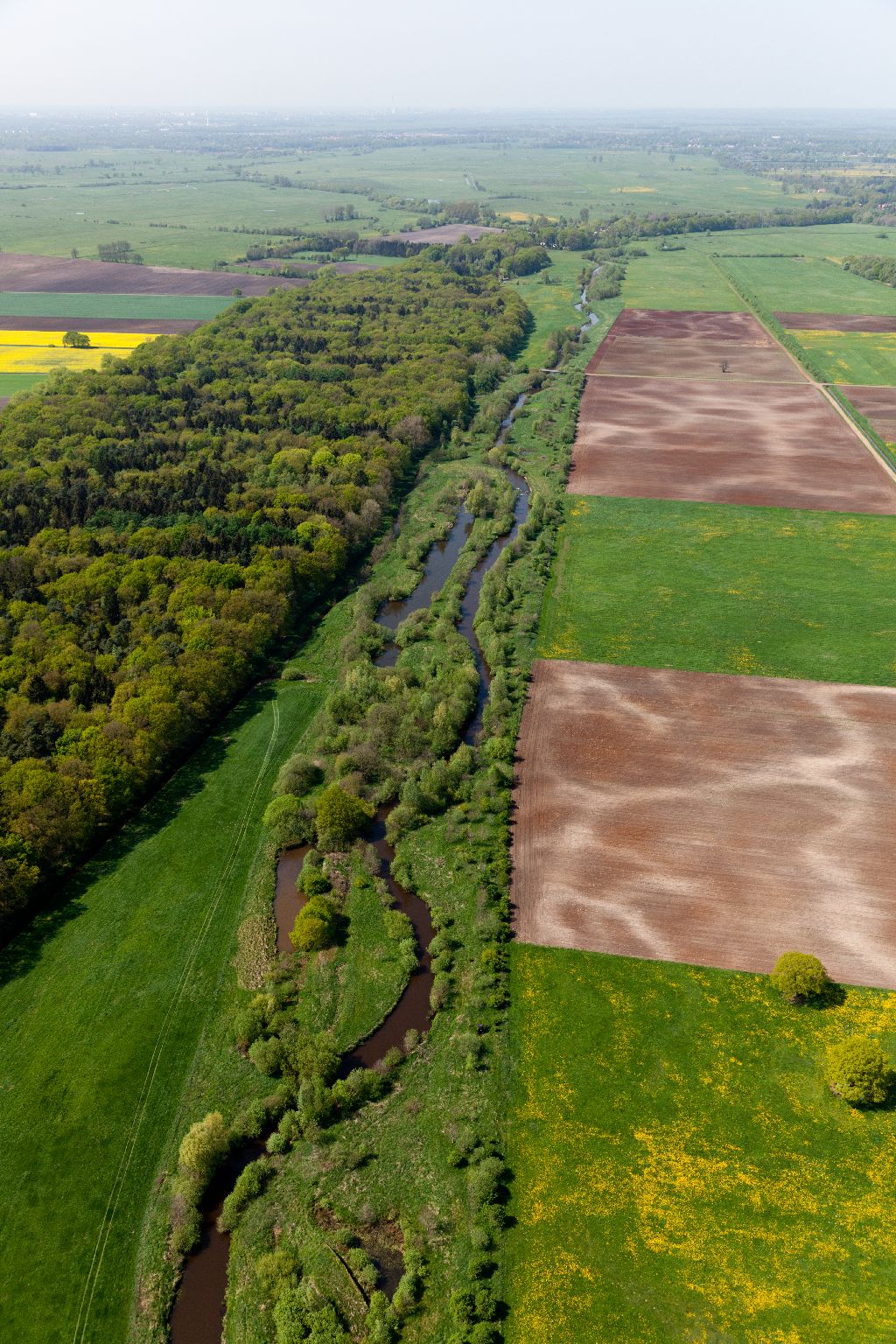
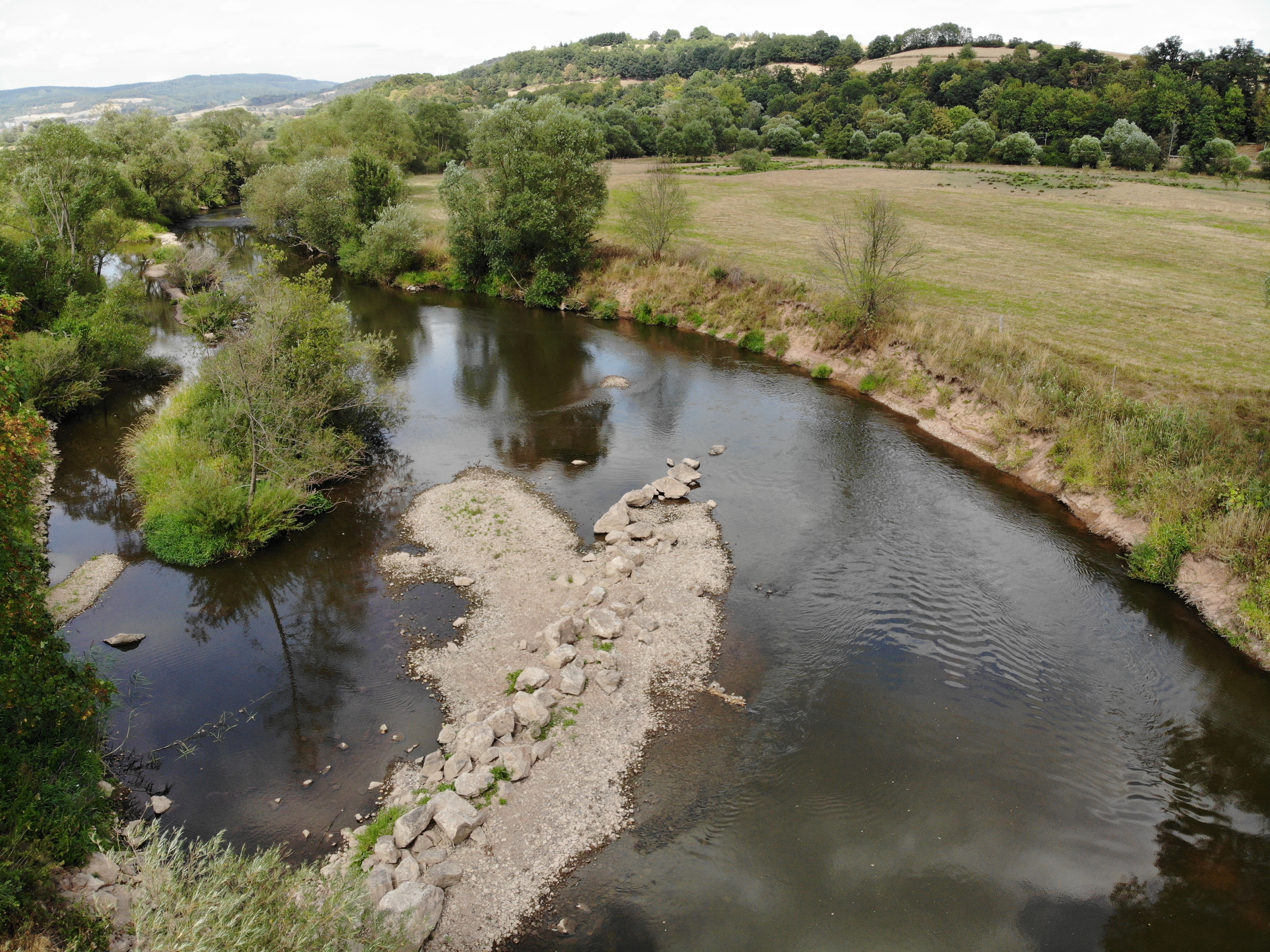
Largely restored rivers such as the Wuemme in Lower Saxony serve as ecological corridors in the cultural landscape. Riparian buffer strips with trees and shrubs separate the river from adjacent agricultural areas and act as important buffers against the input of pollutants.
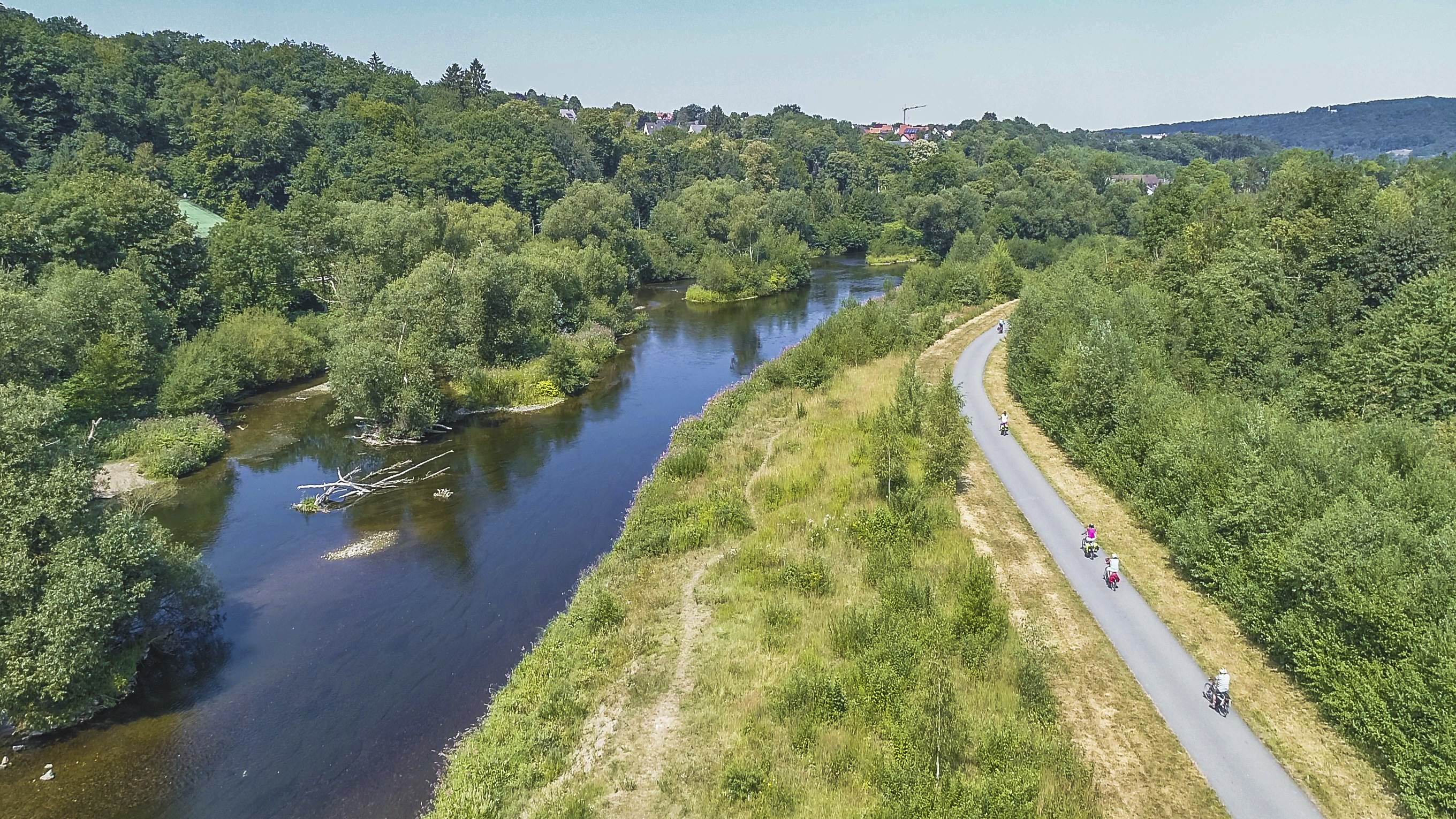
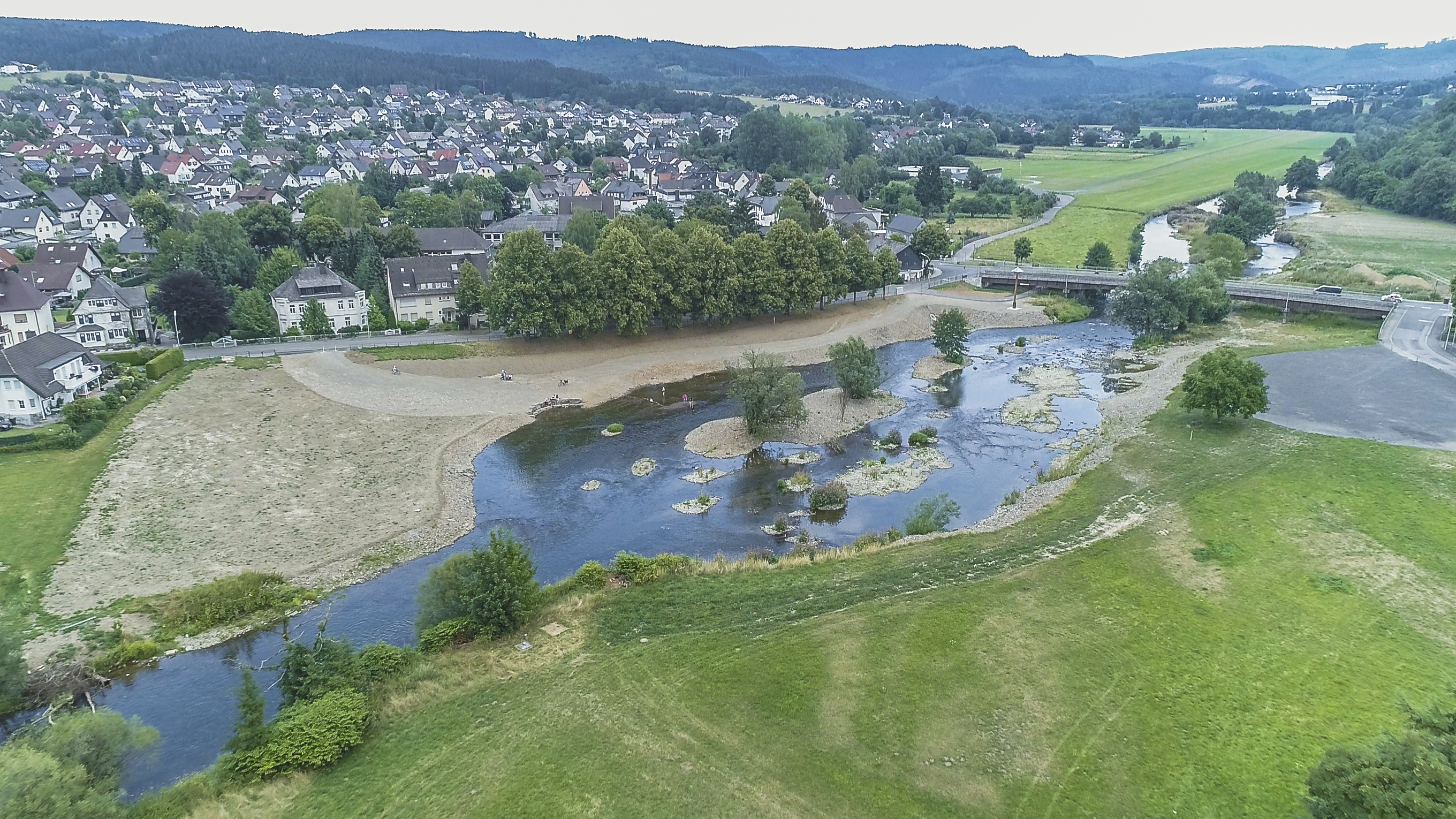
The restoration of the Ruhr near Arnsberg (North Rhine-Westphalia) offers new habitats for animals and plants, and new opportunities for people to experience nature. Those seeking recreation can use the foot and cycle paths along the restored river and gain a varied insight into nature.
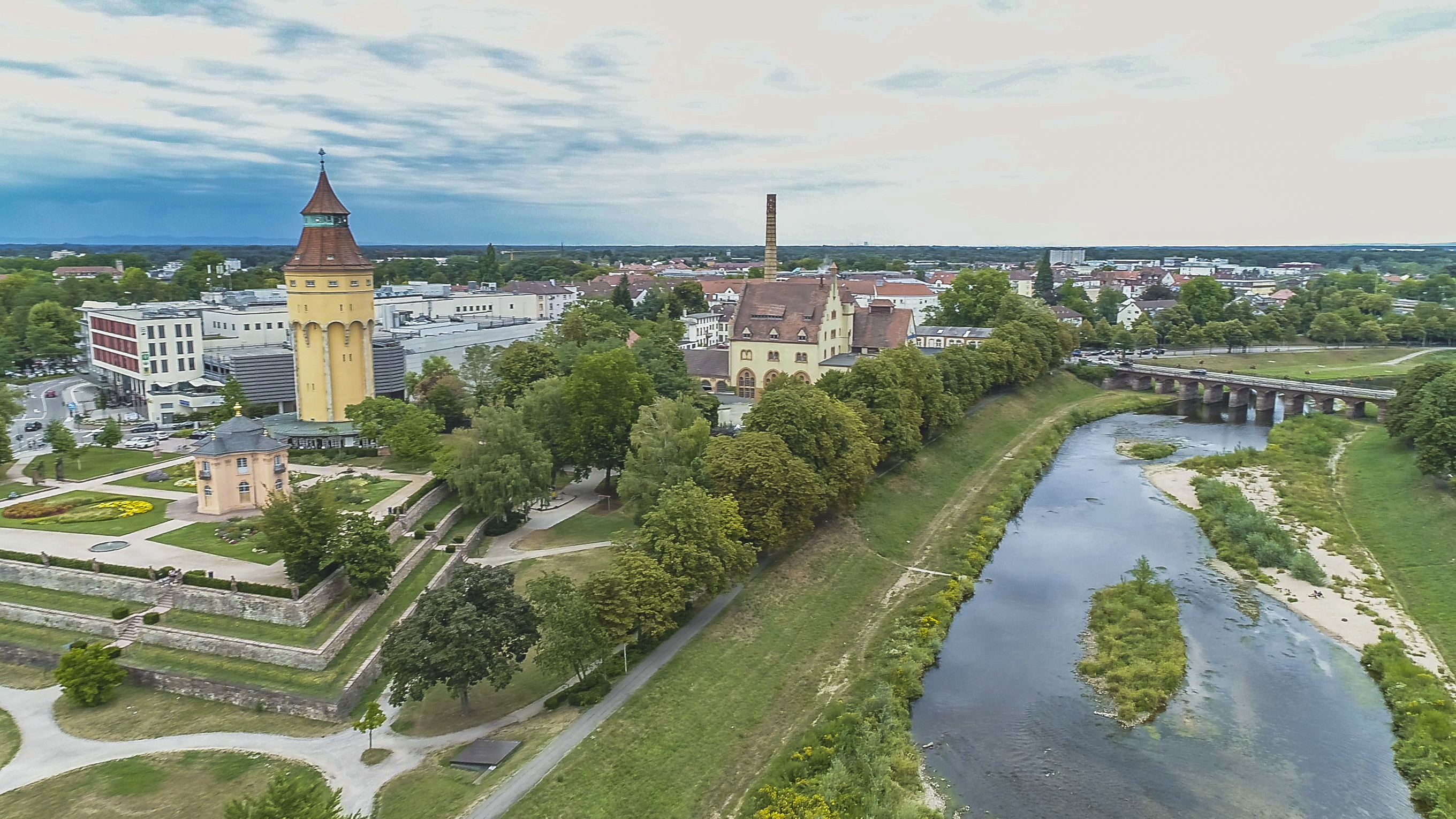
Since its restoration, the river Murg in Rastatt has been able to develop self-dynamically within the dyked area. This also makes it more attractive for local recreation.
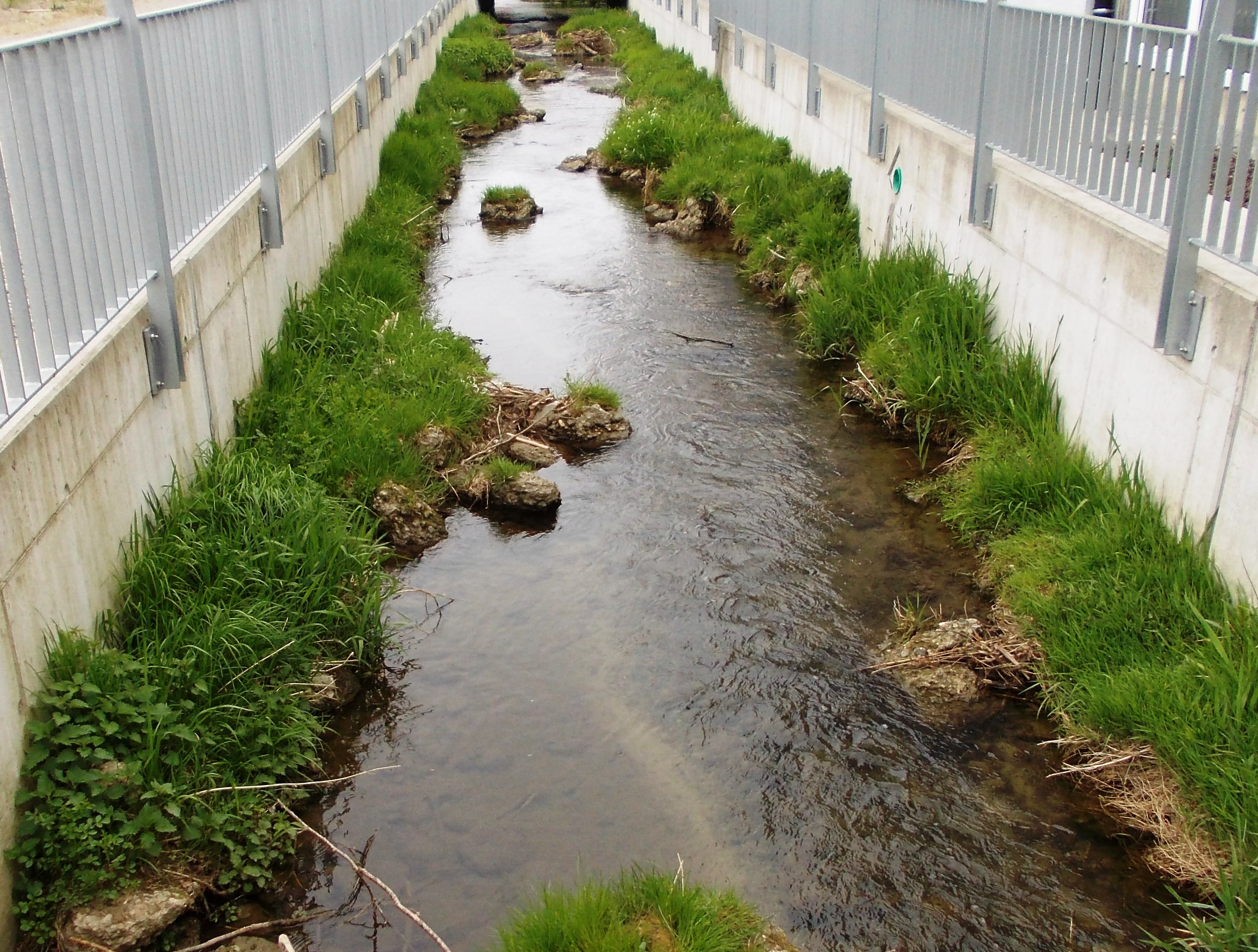
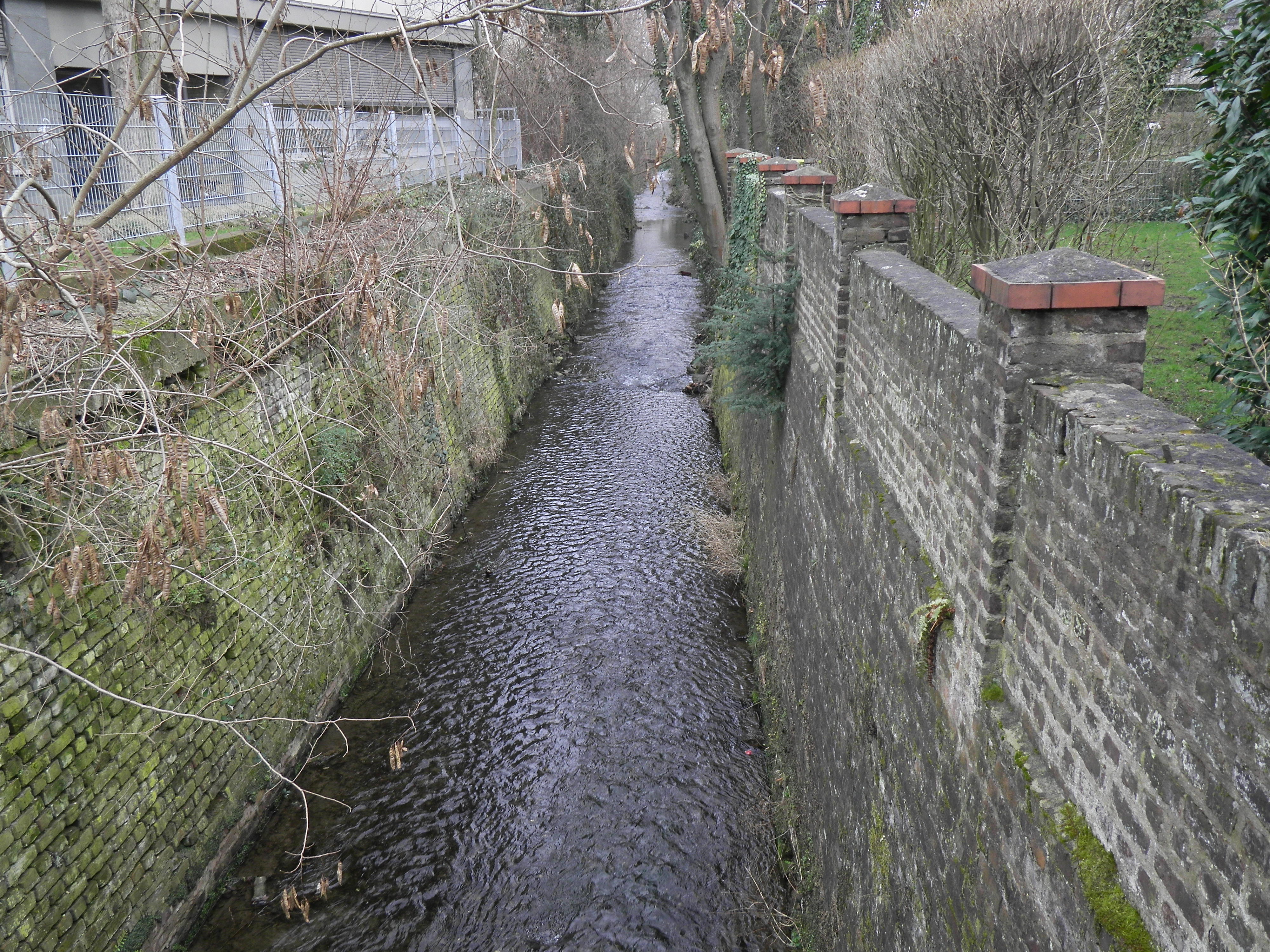
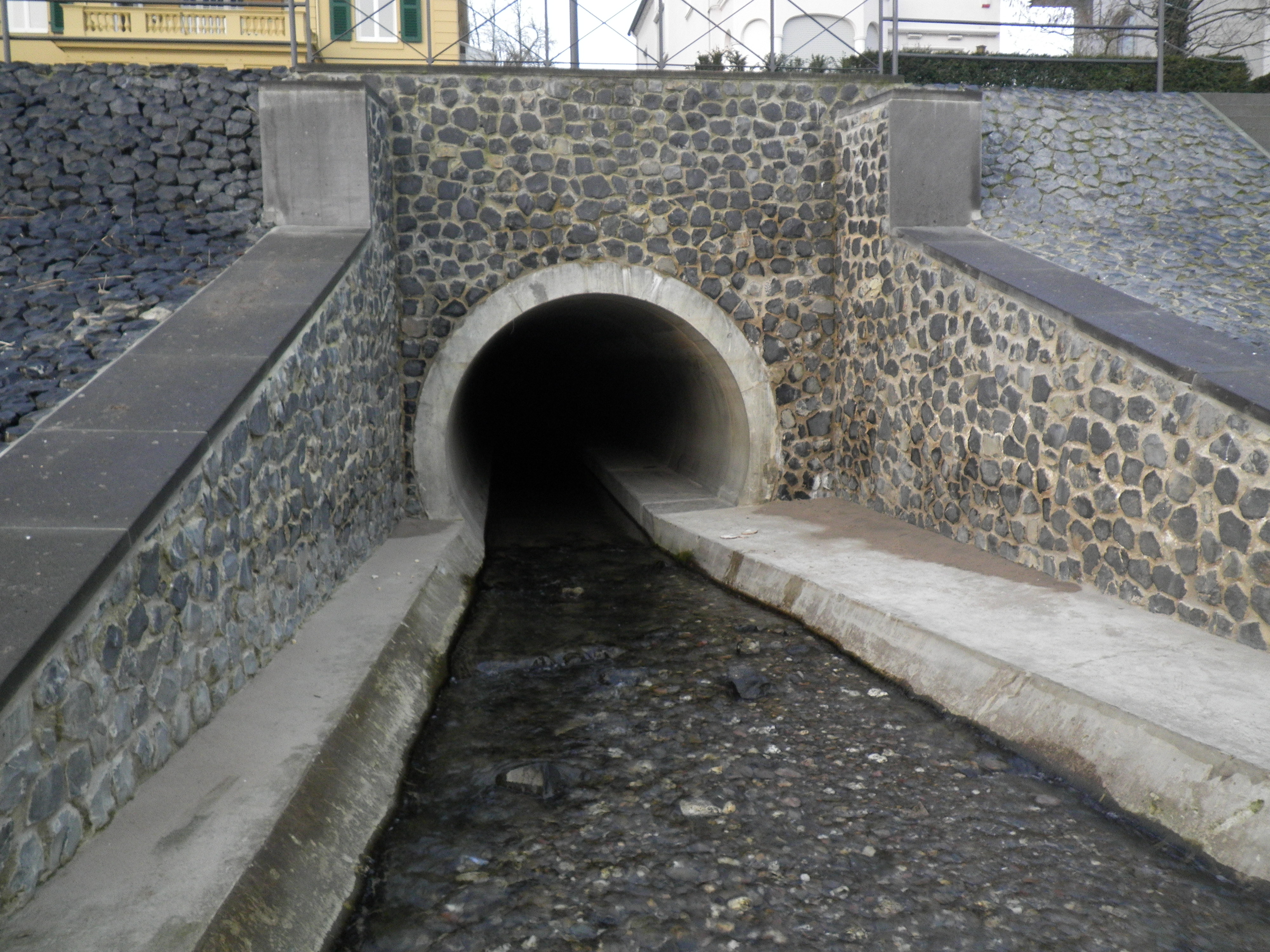
Even heavily straightened and constricted water bodies in the city can be ecologically upgraded by restoring the riverbed and banks.