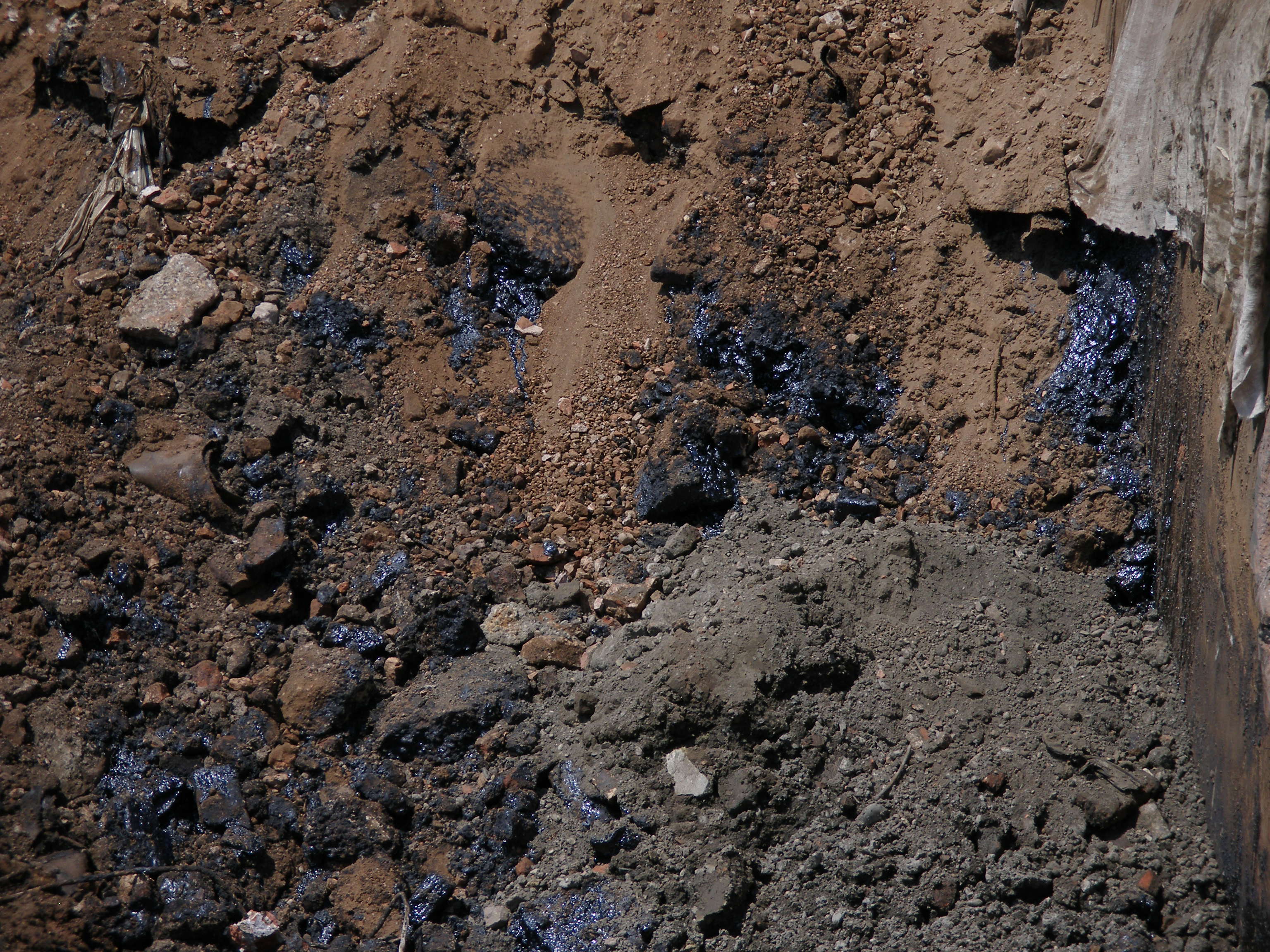
German legislation ensures that the federal states responsible for site clean-up have a legal basis for implementing a high level of soil protection. The aim of remediation of contaminated sites as set out in the Federal Soil Protection Law is hazard prevention. The law and its corresponding ordinance provide practical, legal and technical instruments for dealing with contaminated sites. The Substitute Building Materials Ordinance (EBV) regulates the installation of materials in and on soils on a nationwide basis for the first time. The EBV is intended to ensure that the recycling rates for the materials in question remain at a high level and that natural resources are protected. It is also intended to ensure that no new harmful changes to the soil are caused.
However, remediation measures usually cannot restore the original soil condition. Sustainable and long-term soil protection can only be achieved through precaution and prevention.
Investigations, assessments and (remediation) measures carried out to date have led to significant progress in the management of contaminated sites in Germany, but this has not yet resulted in a lasting and comprehensive solution to the problem. This is also due to "new" pollutants such as PFAS, which can cause diffuse contamination and pose new challenges for remediation management due to their specific properties.