
See a list of our most recent resources and outputs below.
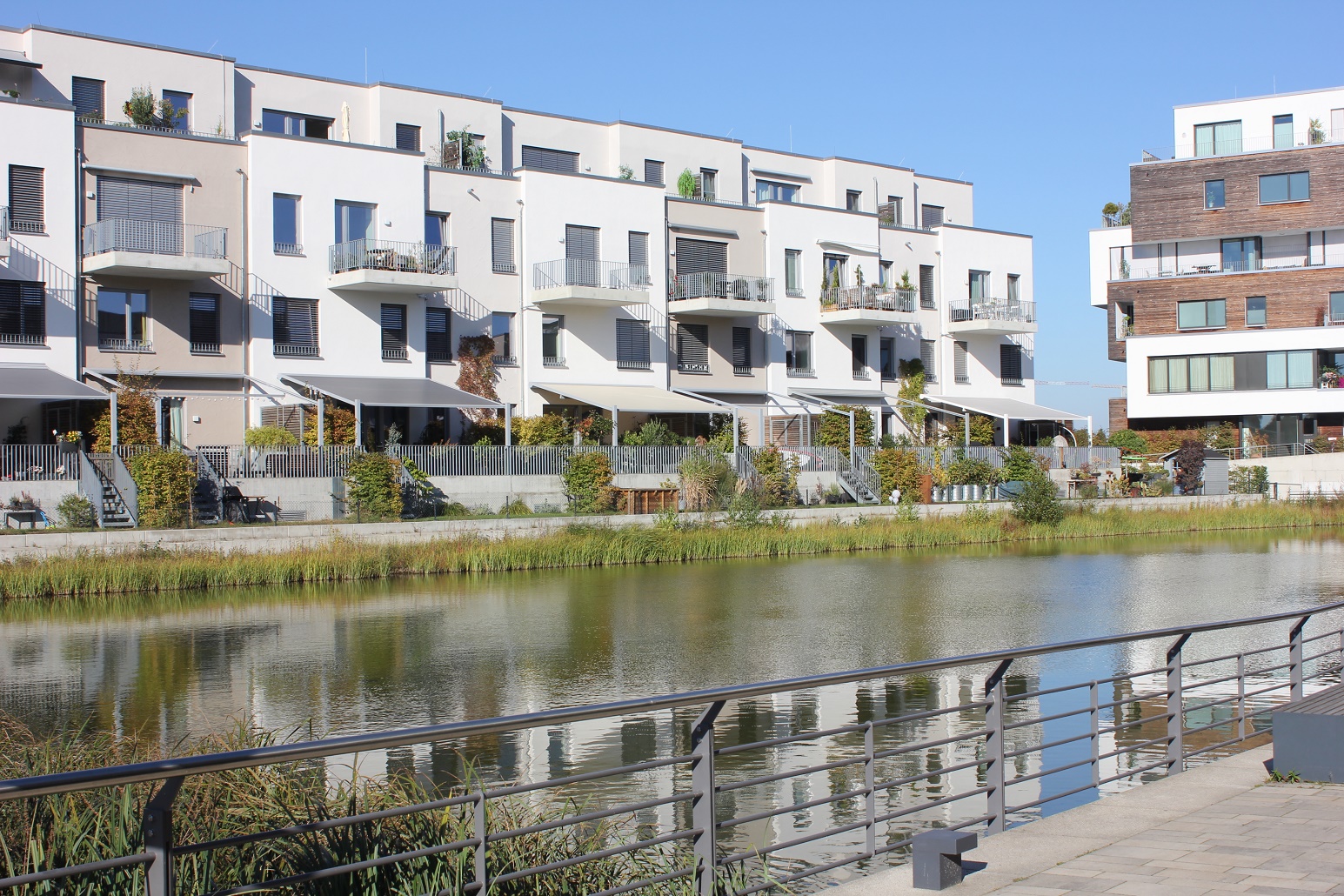
“AdNEB II – Integrating the New European Bauhaus: Resilient Urban Spaces through Transformation, Climate Adaptation, Green-Blue Infrastructure, Sustainable Mobility, Public Health and Well-being, Environmental Justice and Strategic Alliances” is an UBA in-house research project aiming to develop recommendations for climate resilient, healthy urban spaces with a high quality of life for all.
See a list of our most recent resources and outputs below.
AdNEB II is inspired by the European Commission's New European Bauhaus (NEB) initiative and its three pillars: beautiful, sustainable, together. This initiative aims for the transformation of construction methods and the existing building stock in Europe to achieve climate-neutrality by 2050. The New European Bauhaus wants to establish a creative meeting place where future ways of life can be ecologically designed while incorporating art, culture, social inclusion, science and technology in an inclusive manner. Central to the initiative is the question of how we want to live in the future. How will it be possible to develop urban spaces to be ecologically sustainable, socially inclusive, health-promoting and desirable places to live? The EU initiative sets a focus on built structures and related questions such as the transformation of existing structures, sustainable construction materials and energy efficiency.
Since its inception, the NEB has made strides into being mainstreamed into EU strategies and programs. The publishing of investment guides, the creation of a NEB Facility, NEB Academy and the awarding of annual prizes to actions all over Europe are just some of the most recent activities. AdNEB II provides further input to the idea of the New European Bauhaus. For this, the main focus of the NEB on construction in urban areas is expanded to green and open spaces, health and well-being, climate change adaptation, environmental justice, and sustainable mobility. AdNEB II approaches these interrelated subjects in research and communication including international perspectives. The project specifically examines how we can deal with pertinent challenges in order to adapt urban spaces to improve the quality of life.
The current project:
The aim of AdNEB is to contribute to the socio-ecological transformation of cities by bringing together the numerous research strands of the German Environment Agency on these overarching issues. As a result, the project should contribute to the creative interdisciplinary NEB initiative on a European level and thereby show pathways to an appealing common ecological future.
The AdNEB II project runs from October 2025 to December 2027. It builds off of the successful experience gained in AdNEB I (see below). The current work plan is divided into six work packages (WP):
WP 1 deepens the scientific foundation of the triple inner development approach and further develops it in a practice-oriented way. In addition, it addresses the structural transformation of city centres in Germany to highlight the opportunities for environmentally oriented urban development. Focus is set upon identifying and describing best-practice examples.
WP 2 focuses on the systematic linking of geospatial data to more precisely represent and analyse spatial environmental justice and resource distribution patterns. At the same time, we analyse the German Environmental Study (GerES) database to generate robust insights into environmental burdens, exposure patterns, and spatial differences. The results will influence national and European expert discussions to support scientific and political decision-making processes at the EU level.
WP 3 builds on the findings on experimental transport planning of the previous project. It adds a global perspective on contrasting urban planning contexts aiming for bidirectional knowledge transfer. In addition, an innovative communication and mediation tool makes the complexity of urban planning tangible, opens new pathways to the topic, and strengthens the impact of scientific findings in both the public and professional spheres.
WP 4 investigates how overlapping environmental and social burdens create climate-related inequalities in German cities and hinder the goal of providing equal living conditions. The WP develops a scientific and practice-oriented basis for vulnerability-oriented municipal climate adaptation, with a focus on water-sensitive urban development and sponge-city measures. It analyses how vulnerability and social justice indices are currently applied in local planning and produces the first nationwide multiple-burden map for Germany, integrating indicators of exposure, sensitivity and adaptive capacity. This map will offer an evidence base to help especially resource-constrained municipalities identify vulnerable areas and prioritise adaptation actions. In addition, the WP examines governance processes, indicator selection and actor participation to strengthen the integration of social dimensions into local and federal climate adaptation practice.
WP 5 examines building in existing contexts under the New European Bauhaus principle of aesthetics. It addresses both the issue of sustainability in building in existing contexts and the architectural aesthetics of the Anthropocene, shaped by the influence of climate change and the necessary shift towards building renovation. For the project, it is essential to address the question of how grey energy already invested can be considered as added value and a resource for design possibilities in order to transform architecture into a culture of continued construction and design with the use of reused, circular and nature-based building materials. Research findings on the work package merge into a synthesis product with an analysis of the European city and prepared for publication.
WP 6 explores how selected global discourses and ideals of on sustainable urban development – such as nature-based solutions and sponge city applications – are translated into national urban policies and localized articulations on municipal level. Bridging German, European and international perspectives and cases in a comparative fashion, the work package seeks to productively internationalize and critically provincialize the results of AdNEB II by a) actively fostering communication and cooperation with international stakeholders and experts and b) strategically disseminating insights into academic and political debates, especially on European level.
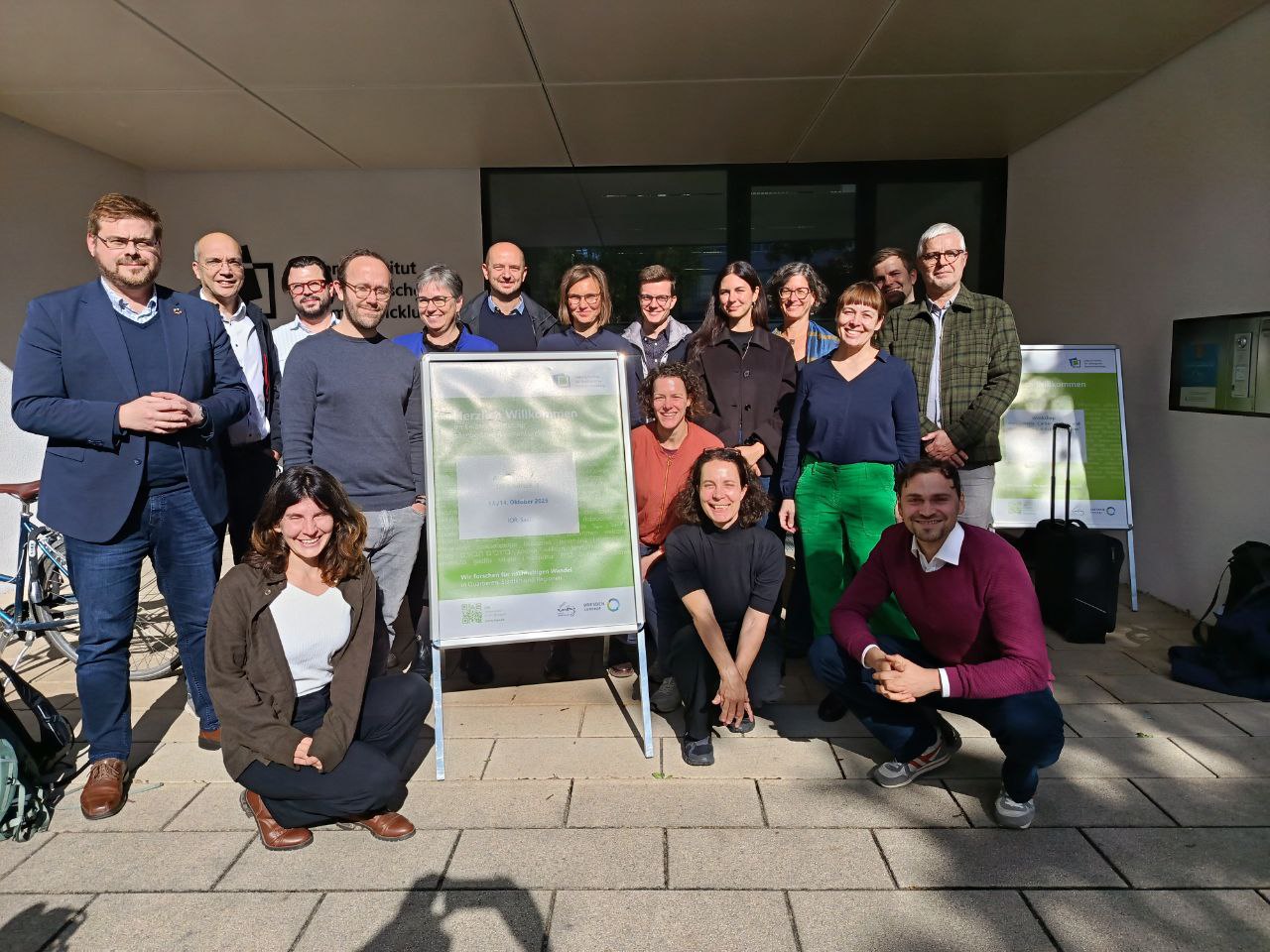
In front row (all from UBA): Sarah Tietjen, Kirstin Sanders, Miriam Dross, Jan-Peter Glock
From left to right (all from UBA unless otherwise noted): André Conrad, Daniel Bongart (GIZ), Moritz Kasper, Karl Eckert, Katrin Dziekan, Hartmut Fünfgeld (Uni Freiburg), Katja Schmidt, Markus Taubert, Pia Runge, Katja Becken, Alice Schröder, Jascha Wiehn, Mario Kahl (bdla)
The AdNEB project “Advancing the New European Bauhaus: Sustainable Mobility and Resilient Urban Spaces for a Better Quality of Life” was the first round of the in-house research project of the German Environment Agency, completed during the 2022-2025 period. It was inspired by the European Commission's New European Bauhaus (NEB) initiative initiative, which aims for the transformation of construction methods and the existing building stock in Europe to achieve climate-neutrality by 2050. With this background, the work packages focused on the following topics:
WP 1 underscored the NEB through the concept of “triple inner urban development”, which implies the connection of construction-oriented inner urban development with the future improvement and expansion of green spaces and transport transformation. At the same time, additional perspectives on sustainable urban development play a role, including insights gained from the spatial challenges experienced during the coronavirus pandemic.
WP 2 focused on relevant research on resilient, sustainable and health-promoting urban development. This considered a specific focus on environmental justice in urban settings, on the health-promoting aspects of active mobility and on climate adaptation strategies, including the concept of the sponge city.
WP 3 analysed the role of experimental governance in transforming urban mobility. It looked at the barriers and goals as well as the impact mechanisms of street experiments ("Verkehrsversuche") in several German case studies.
WP 4 focused on the core theme of the NEB: construction, with a particular emphasis on building refurbishments as the most sustainable strategy for preserving and creating housing. The project identified barriers and drivers among key stakeholders such as architects, civil engineers, and housing companies, and develops solutions for policymakers and industry.
WP 5 served as a cross-thematic synthesis by bringing together the various objectives and thematic strands of the project and formulating conclusions and supporting decision-making for the transformation of urban spaces. This work package aimed to support the attainment of climate neutrality, a high quality of life and adaptable, healthy and resilient structures.
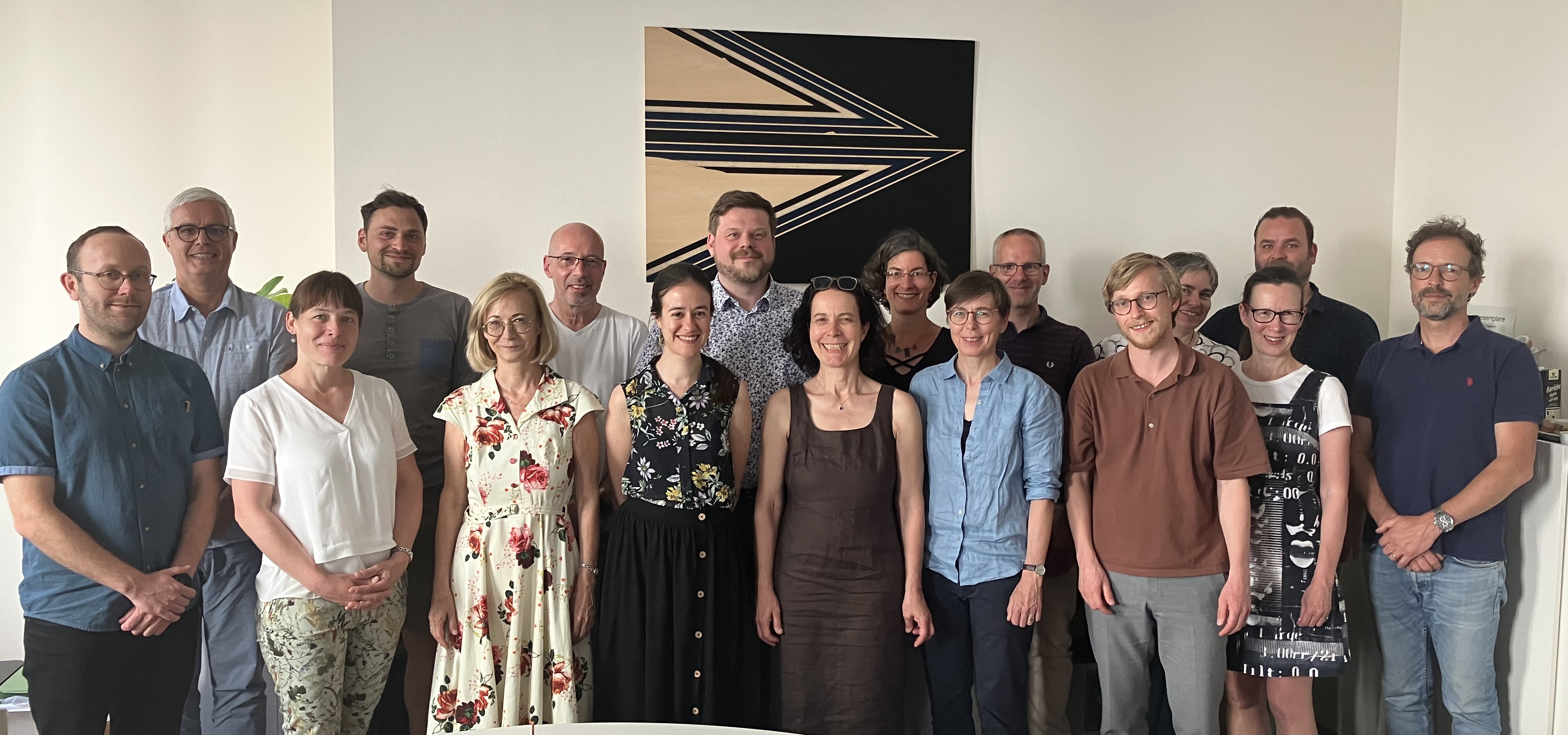
From top left (all from UBA unless otherwise noted): Mario Kahl (bdla), Jan-Peter Glock, Achim Daschkeit, André Conrad, Katja Becken, Stephan Bartke, Katrin Dziekan, Alexander Schülke (BMUV),
(bottom) Karl Eckert, Alice Schröder, Catrin Schmidt (TUD), Sarah DeTroy, Miriam Dross, Christiane Bunge, Valentin Meilinger, Outi Ilvonen, Matthias Rudolph (abk Stuttgart)