ICP Integrated Monitoring
The International Cooperative Programme on Integrated Monitoring of Air Pollution Effects on Ecosystems
The Integrated Monitoring programme monitors the effects of transboundary air pollutants on ecosystems at various sites throughout Europe. Comprehensive measurements are used to draw up water and material cycle balances on catchment scale. These detailed observations of cause-effect relationships are incorporated into the development and validation of simulation models. The models are used to simulate the effects of future developments (clean air policy measures, changes in the deposition of air pollutants, climatic changes) and to estimate the effects of air pollutants on ecosystem substance cycles in other locations. The German Environment Agency operates two Integrated Monitoring stations in Germany.
The Integrated Monitoring Programme (IM) is one of six International Cooperative Programmes (ICPs) under the Geneva Convention on Long-Range Transboundary Air Pollution (CLRTAP) in which Germany has two monitoring stations. The objective is to make comprehensive observations of the effects on ecosystems of air pollution which does not originate from local sources but rather from the long-range, transboundary transport of air pollutants. The international ICP Integrated Monitoring Programme Centre is located in Helsinki; UBA acts as Germany’s National Focal Point for the programme. Annual reports and scientific papers of the ICP IM Programme are forwarded to the CLRTAP Working Group on Effects (WGE).
The main scientific purpose of the ICP IM is to frame water cycles and mass balances and analyses at catchment level. Inputs of air pollutants are measured or modelled in closed catchment areas. Substance output is also measured by a technical gauge system to take stock of substance pathways in the system but mainly within the forest stand and the soil. The matter export measured at the drainage ditch integrates anthropogenic impacts and their effects on the bio-chemical cycles on spatial and temporal scale. Material balances at catchment level help to reach conclusions about key biological and geochemical processes, thus enabling an assessment of the past and present condition of complex ecosystems across a larger area. The measured water and nitrogen flux data is used in model simulations to describe different scenarios (changes in deposition of air pollutants, climatic changes).
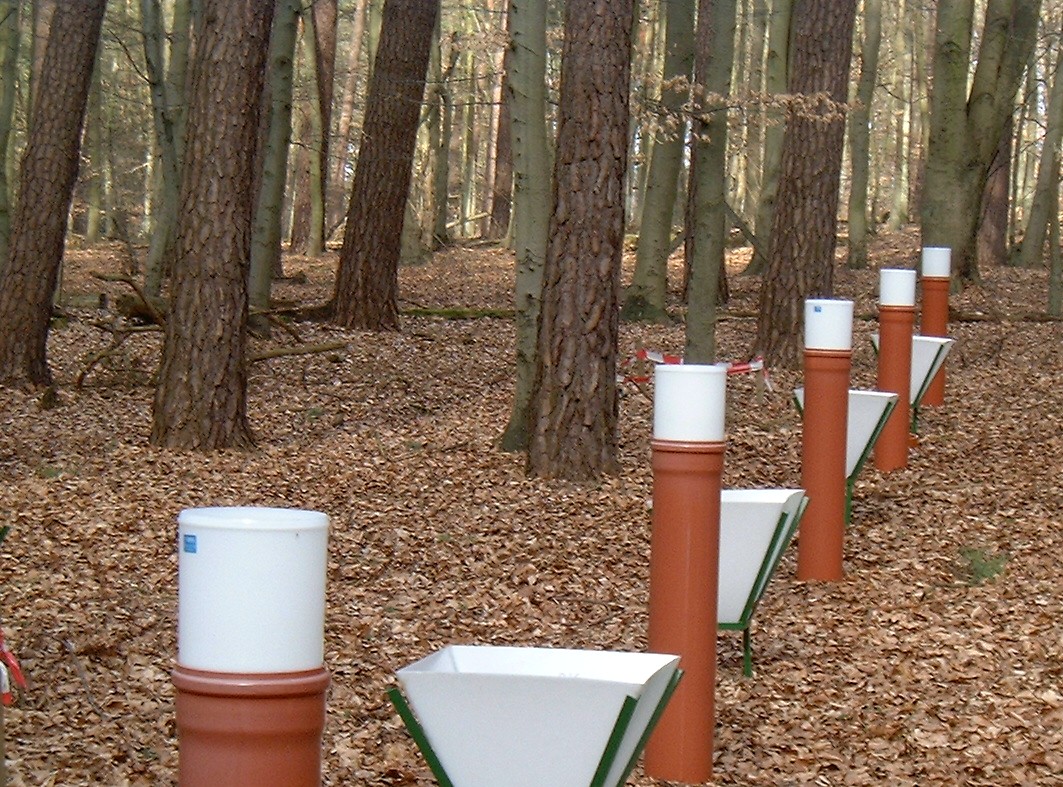
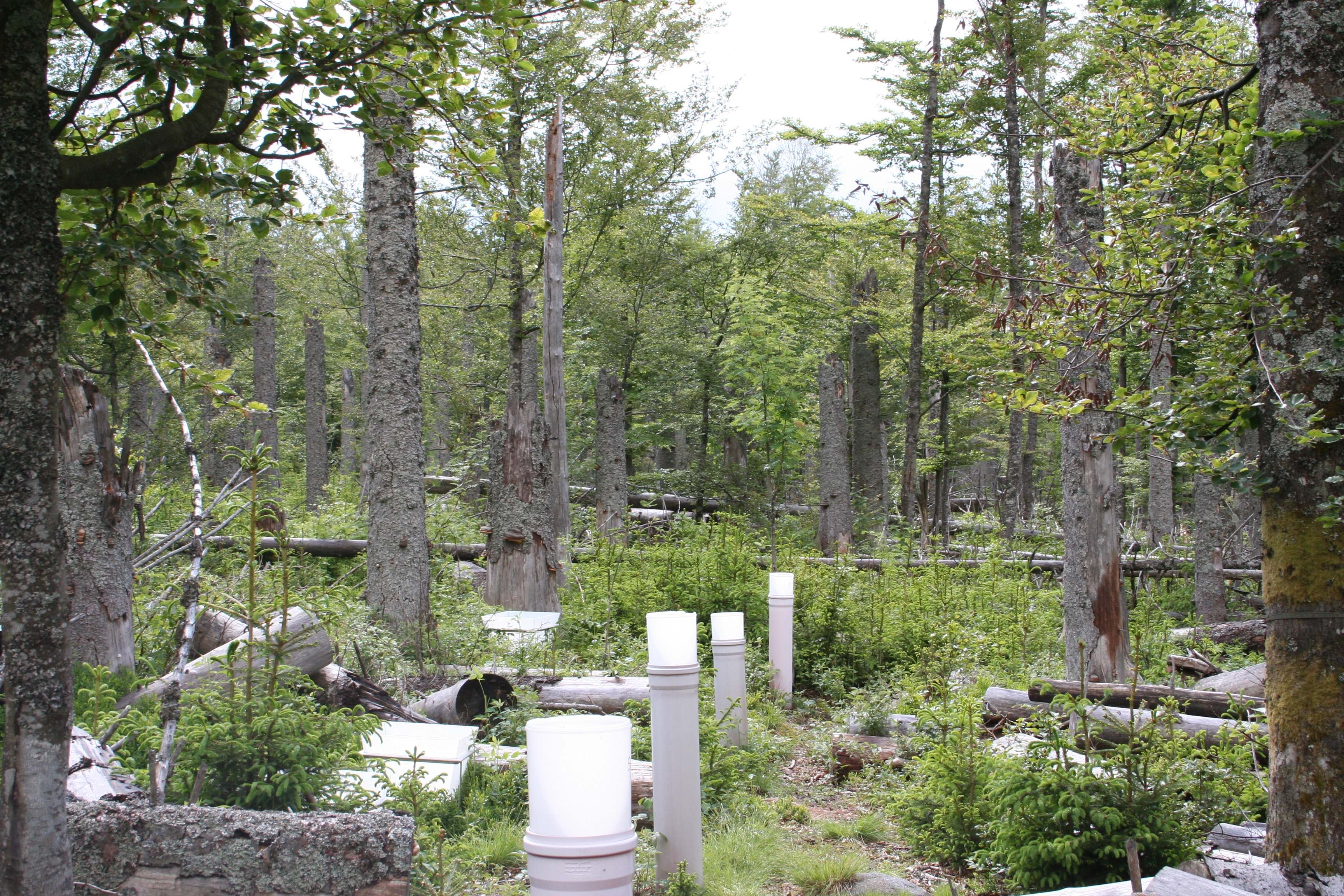
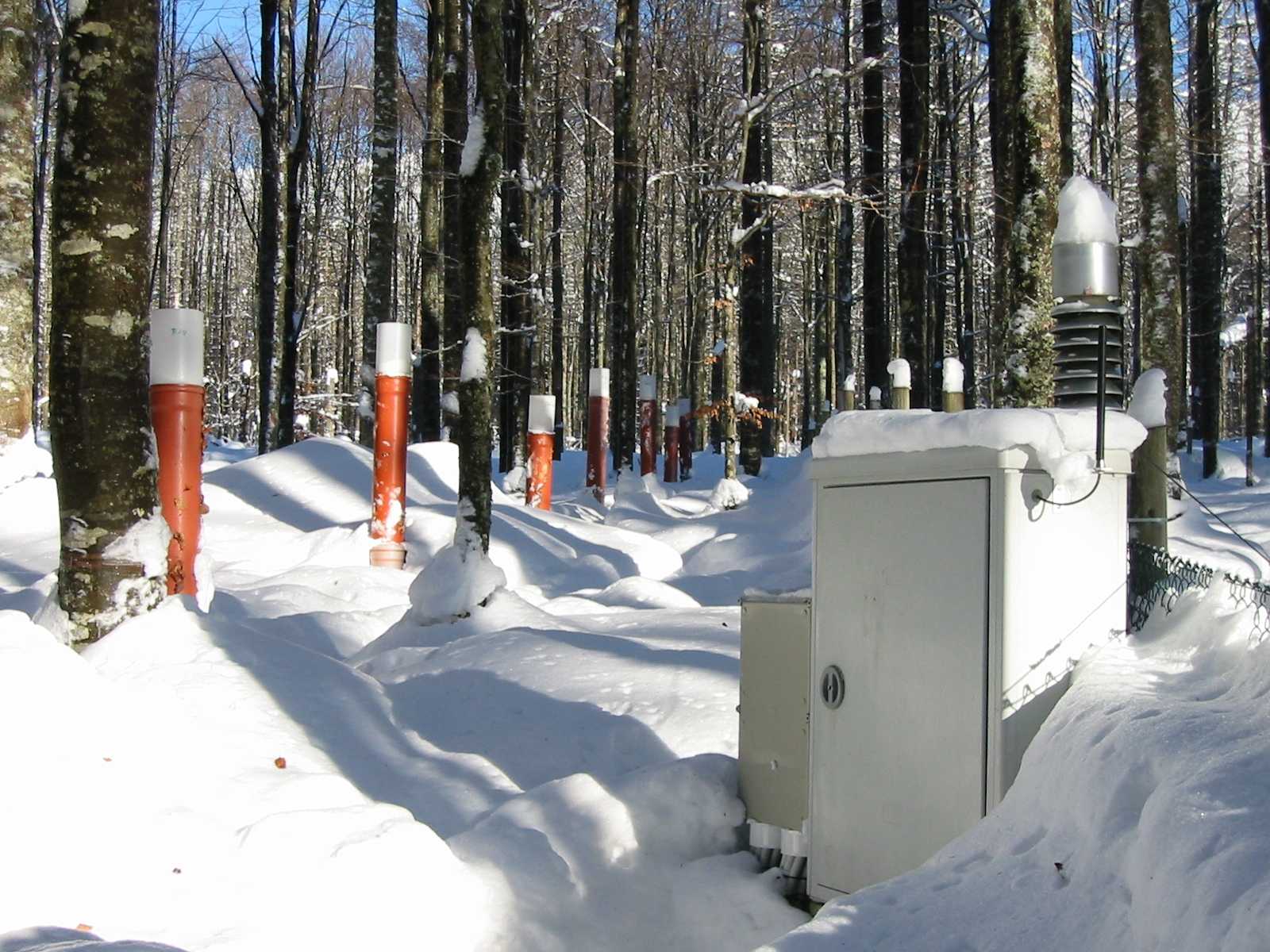
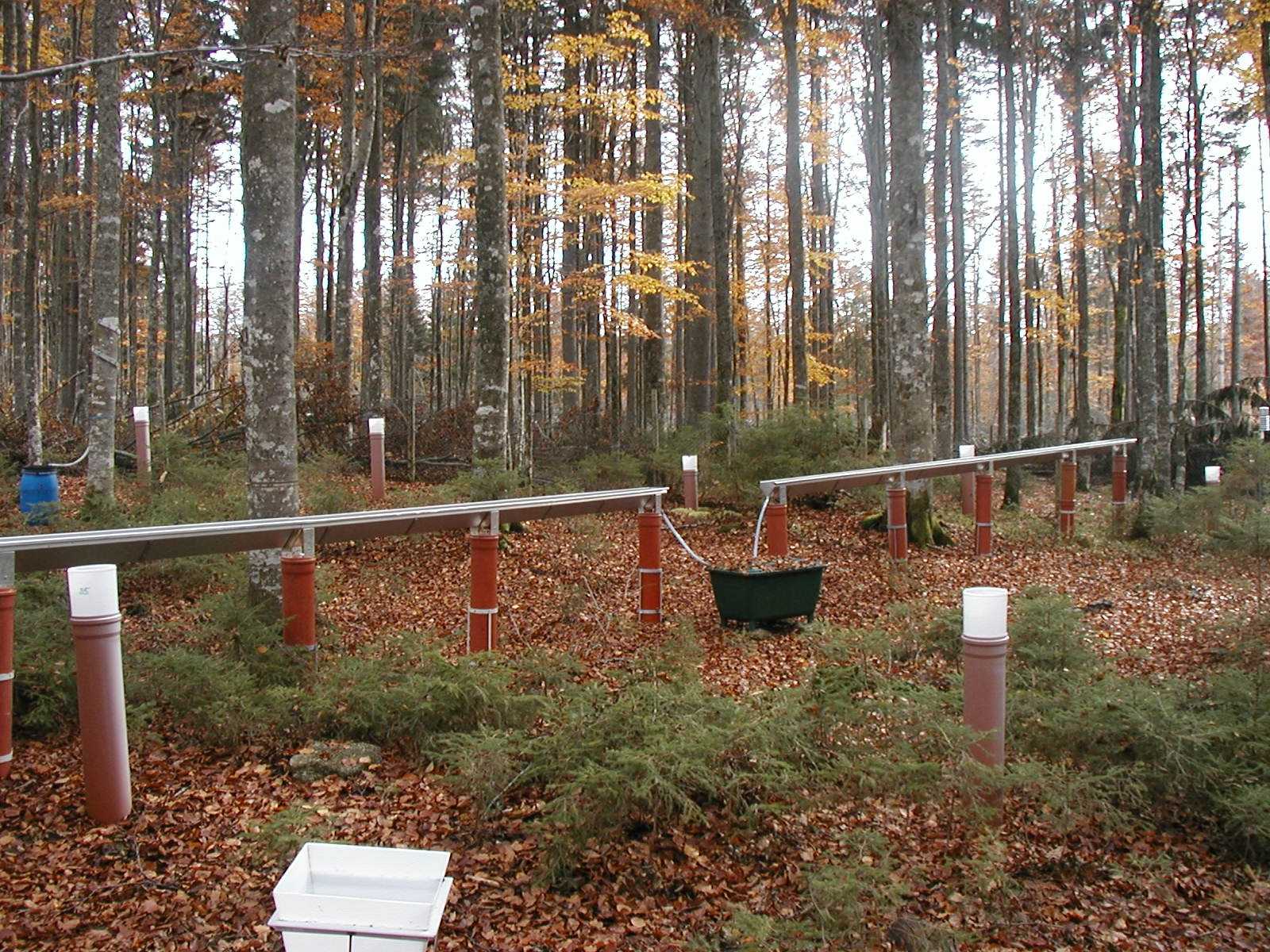
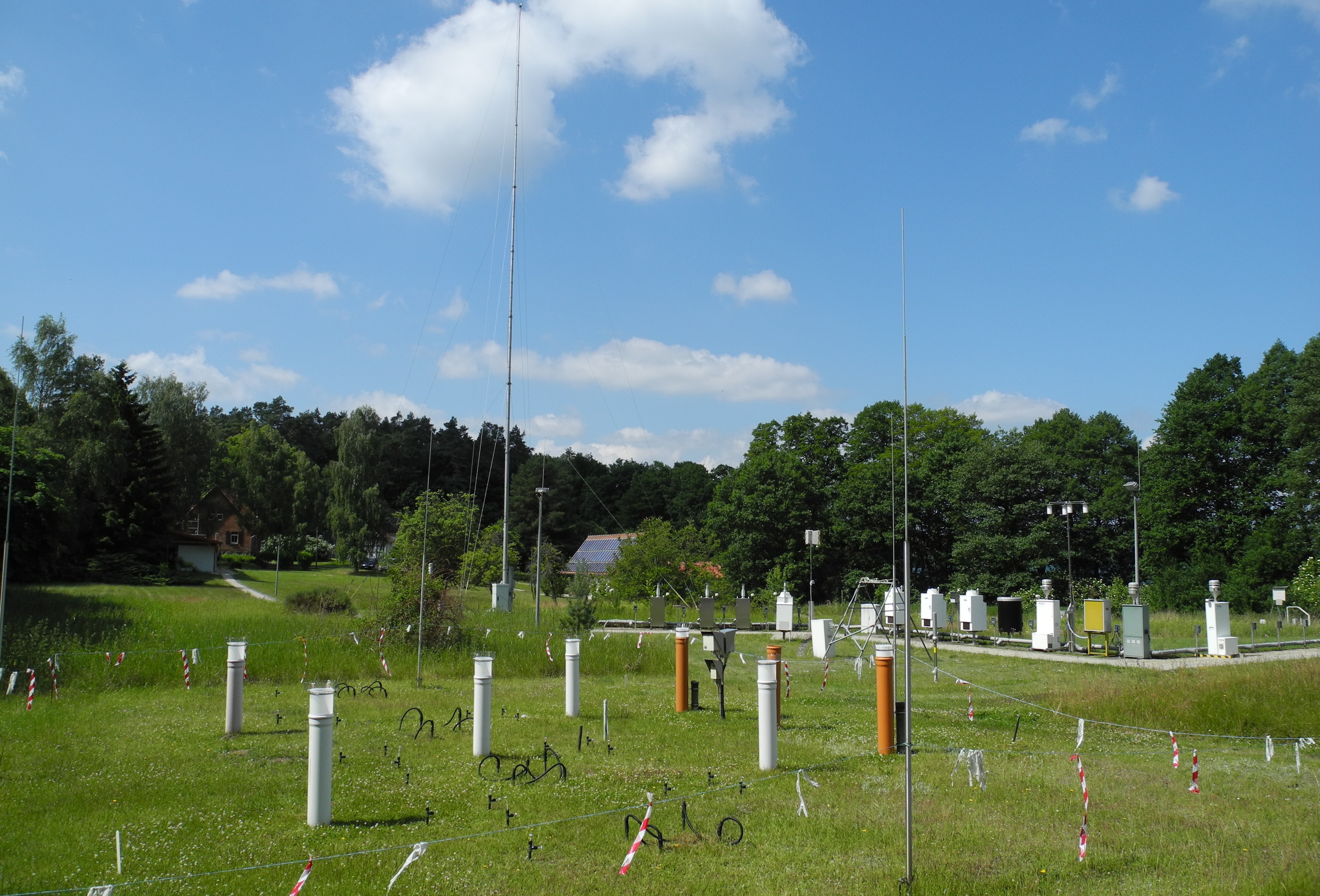
UBA’s Integrated Monitoring station in the Forellenbach area of the Bavarian Forest (DE01) and the lowlands monitoring station at Neuglobsow-Stechlinsee (DE02) offer ideal conditions for observing the effects of air pollutants on forest ecosystems. The station at Forellenbach is the programme’s most significant station in central Europe and disposes of data over long measurement periods and operates a comprehensive monitoring programme. The station is representative of background concentrations in the low-range mountain area (800-1,300m above sea level). The Neuglobsow-Stechlinsee station is located in a large nature conservation area in Germany’s northern lowlands. UBA continued the operation of the former GDR station in 1998.