Underwater noise - a man-made problem
Most whales and seals, many fish and even some invertebrates such as squid rely on acoustic signals for a great number of basic activities, including communication, mate selection, location of prey, protection against predators, or navigation. A change in ambient noise can have a negative impact on the biological fitness of individual animals or even entire populations.
The oceans around Antarctica are of utmost importance to many whales and seals. Not only do they find excellent feeding grounds in the Antarctic summer, it is also one of the few regions in the world with little exposure to noise pollution from human activities.
Man-made background noise pollution is increasing in all of the world's oceans; it has doubled and even increased fourfold over the last 50 years in some regions.
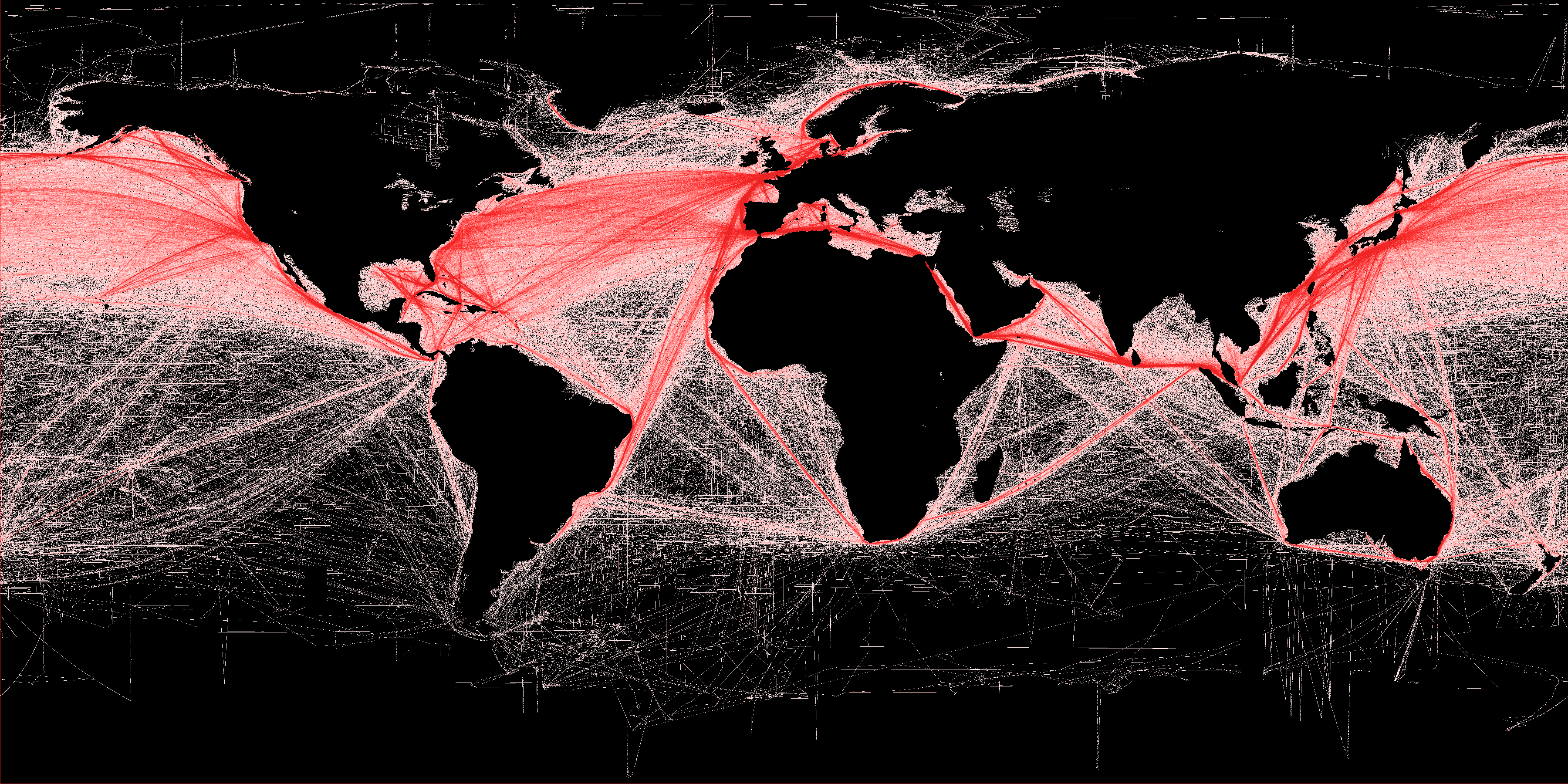
Anthropogenic underwater noise is caused mainly by shipping, the use of various types of sonar, during construction and operation of offshore installations such as wind energy farms or oil and gas platforms, or during seismic activities which occur during oil and gas exploration and research activity. Depending on the source sound level and frequency, the acoustic and geometric properties of the body of water and the ocean floor, underwater sound can travel across great distances. The oceans of the southern hemisphere are quieter than the rest of the world. There is far less shipping traffic, which is why the predominantly low-frequency background noise it creates is more negligible.
Man-made underwater sound in the Southern Ocean
The background noise from shipping traffic in the southern hemisphere is 20 dB quieter than elsewhere in the world. There is no exploration for mineral resources in the Antarctic or construction of offshore installations such as wind farms. In addition, only few ships are equipped for travel in the oceans near the Antarctic continent. However, shipping traffic is highly concentrated during the short period of the Antarctic summer and in specific regions, for example the Antarctic Peninsula which is visited frequently by tourists and researchers.
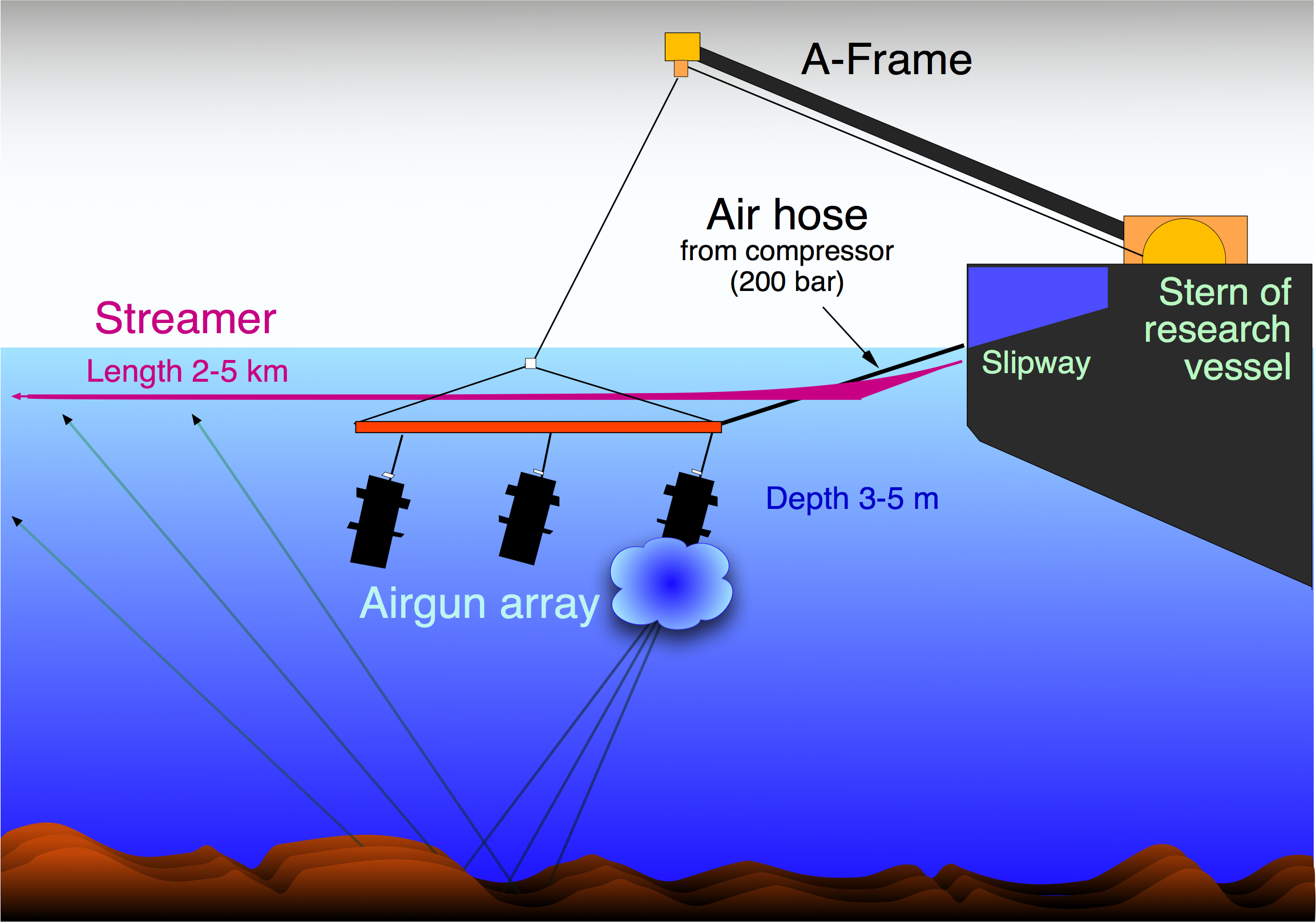
Most people travel to the Antarctic by ship. There were at least 95 tourist vessels, 40 research vessels and 46 fishing vessels in the waters around the Antarctic during the 2012/2013 season. In addition, there are yachts and a few illegal fishing boats, most of which make several journeys per season. Every one of these ships imports mainly low-frequency, continuous sound into the ocean. Research vessels also use airguns or sonars which emit sound wave impulses with significant sound levels. Airguns used for scientific purposes can reach peak sound levels of up to 250 dB, which is 1,000 times louder than a ship. The majority of this noise is in the low-frequency range of up to 300 Hz, which is also the main range of communication between baleen whales like the blue and humpback common to the Southern Ocean.
How does underwater sound impact marine mammals?
A number of different effects are possible depending on the intensity, length and context of sonication. Extreme sound events, for example underwater detonations, can result in massive injuries and even death of animals. Less intensive sound events such as the use of airguns to explore the ocean floor can also damage the hearing system (acoustic trauma) of a marine mammal and result in short-term or even permanent loss of certain hearing abilities. The natural patterns of behaviour of marine mammals may be altered if the animal is further away from the noise source or the sound source is quieter, e.g. shipping noise. Acoustic disturbances may have a number of different effects: many whales will leave an area if it is too loud (flight reflex); others will become louder in a louder environment while still others cease to communicate entirely (altered communication behaviour). Marine noise can distract animals in such a way that they detect prey or a dangerous predator either too late or not at all (acoustic masking).