Possibilities and limits of Antarctic travel
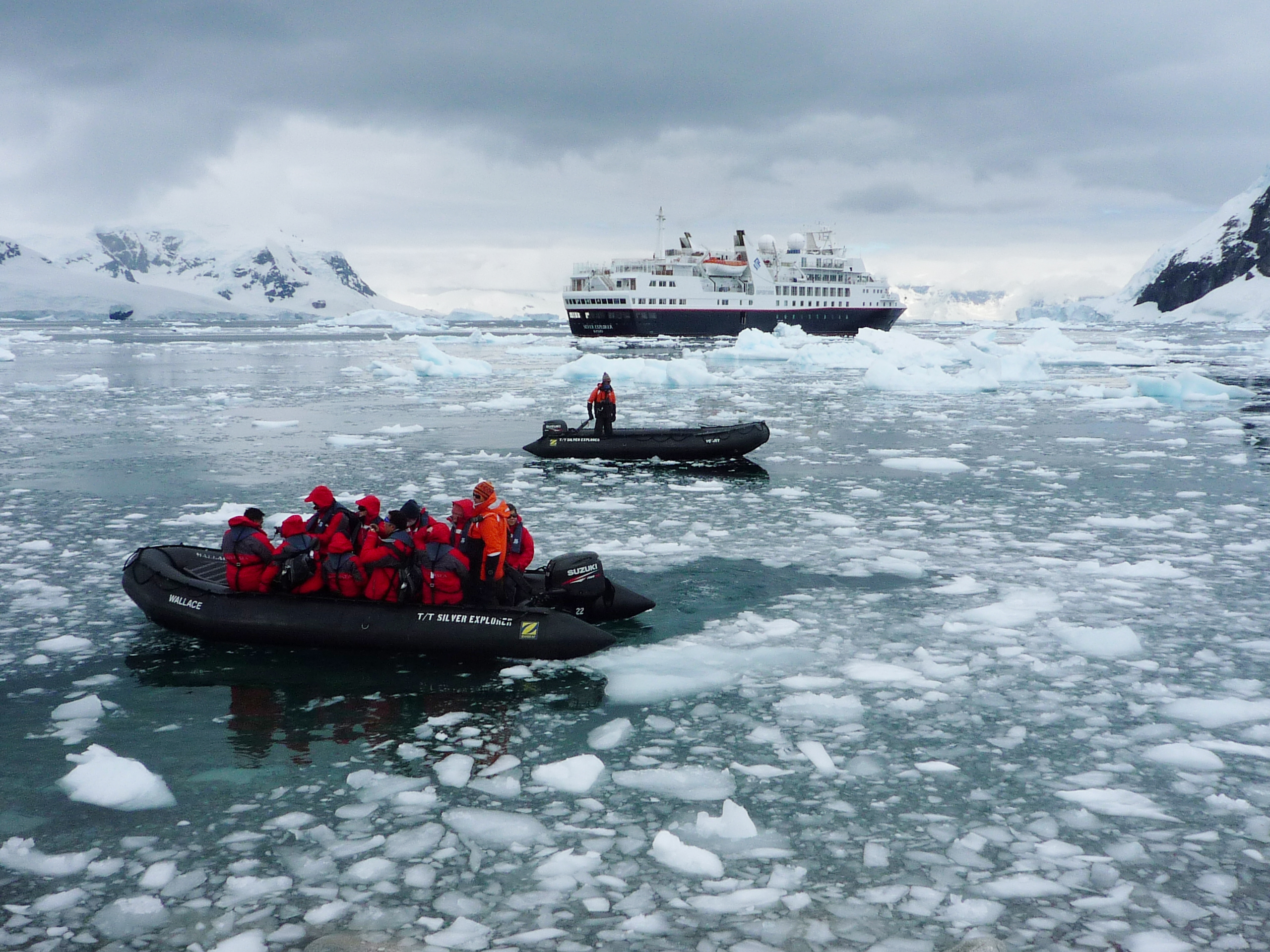
The first touristic journeys to Antarctica were in the late 1950s and originated in Argentina. Paying travellers accompanied researchers to the South Shetland Islands for the first time in 1958. The Swedish-American tour operator and discoverer Lars-Eric Lindblad came up with the Lindblad model in 1966 which is still in effect today: he organized the first cruise trips to Antarctica for travellers who enjoyed information and lectures by experts instead of entertainment programmes. The Lindblad Explorer vessel, launched in 1969, was one of the first cruise ships purpose-built for journeys to polar regions. The typical landings with small inflatable boats are also a Lindblad legacy. There has been regular tourism in Antarctica ever since that time.
The International Association of Antarctica Tour Operators (IAATO) was founded in 1991 to promote and ensure safe and environmentally sound tourism in Antarctica. Now the IAATO has more than 100 members who have obliged themselves to advocate and promote the guidelines of this international organization to protect and conserve Antarctica.
The possibilities are many yet with some constraints
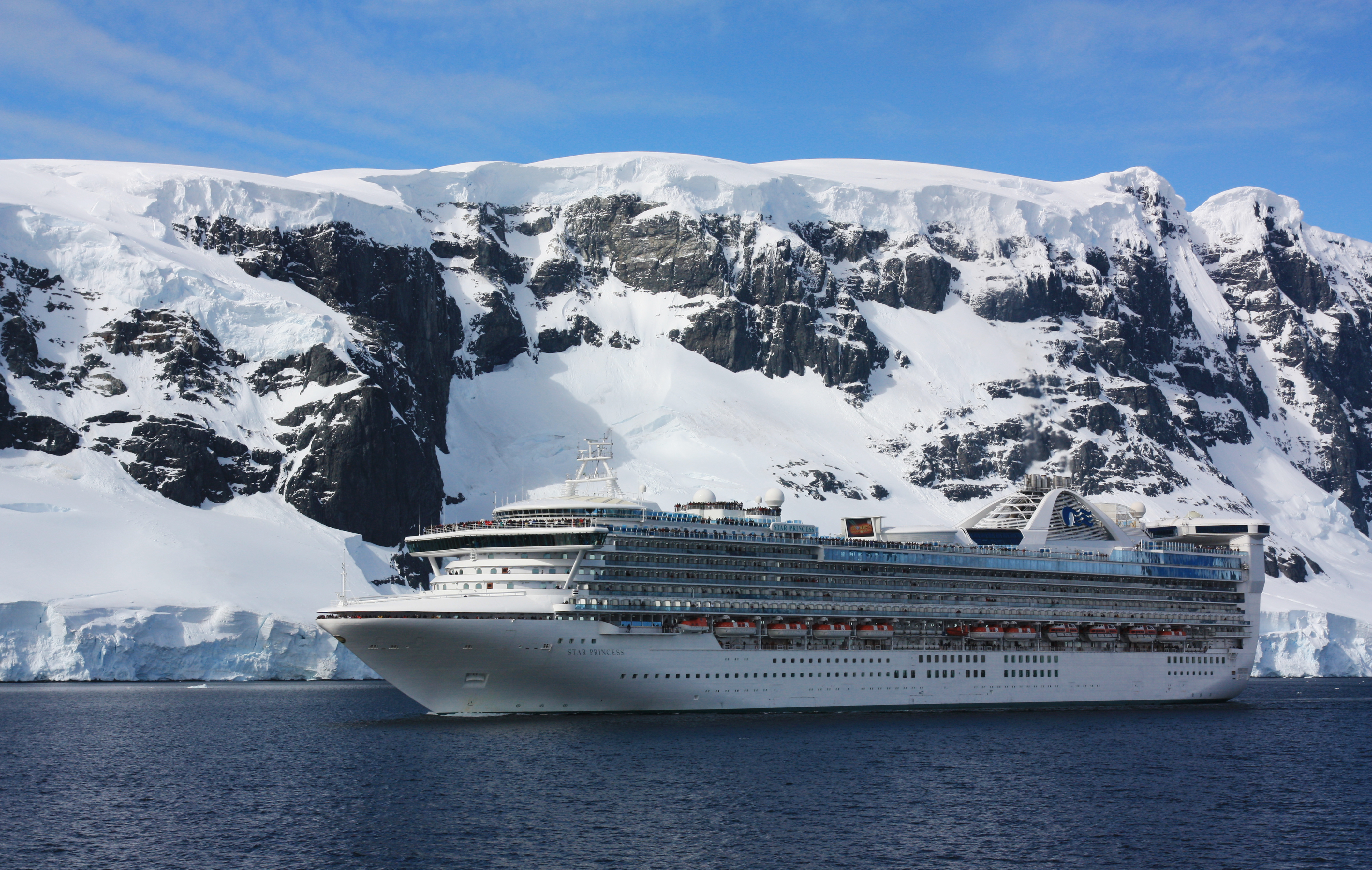
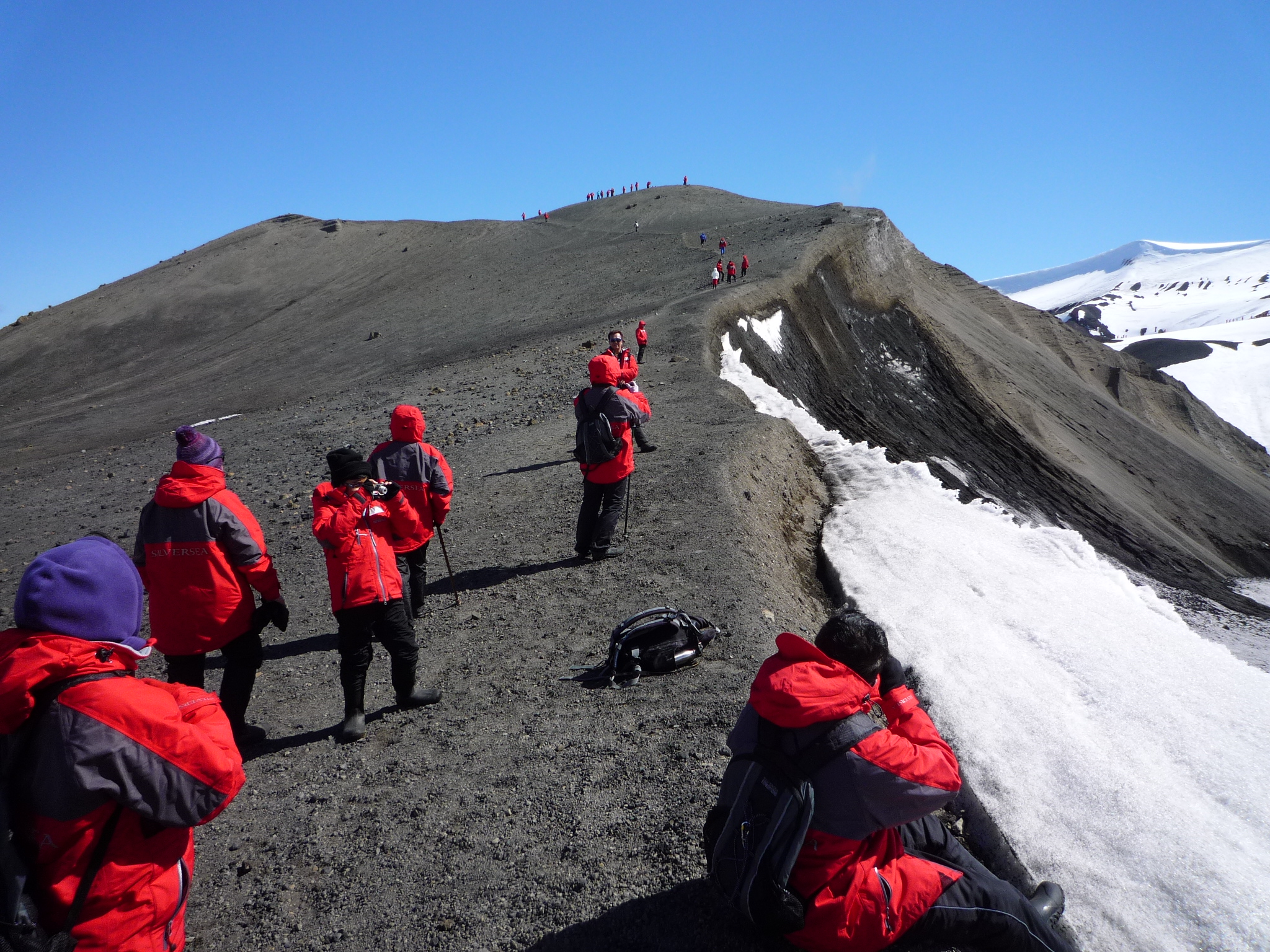
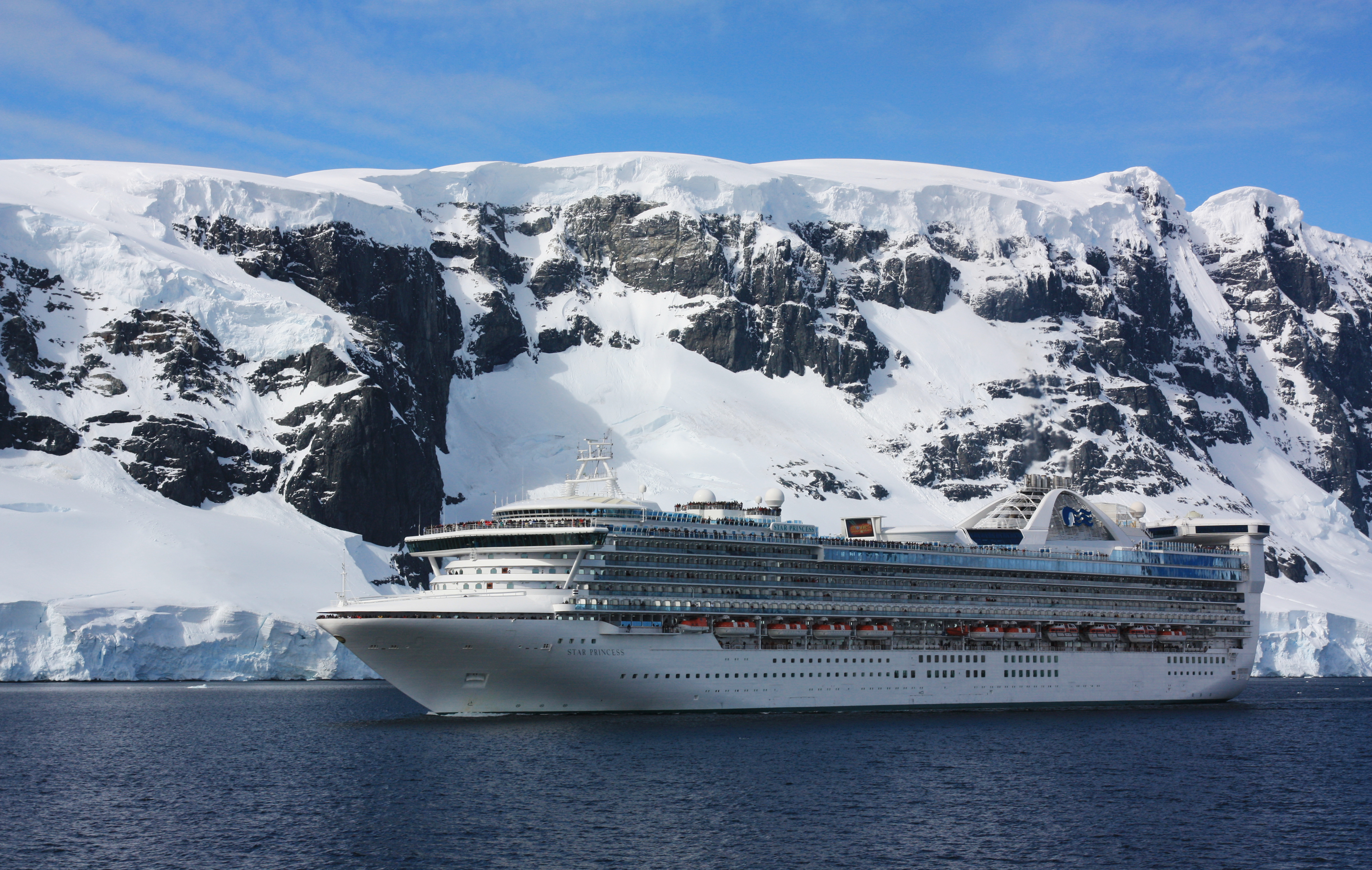
The tourist season in Antarctica takes place during the austral summer (November to March) mainly in the waters of the Antarctic Peninsula. This region is largely ice-free during the summer months, thus allowing visitors to make landings with inflatable boats (zodiacs) at certain places. Tourists usually make landings at places that are easily accessible and have special attractions like animals, plants, hot springs, glaciers or relics from the whaling era. As a result, these areas are heavily frequented and there are already visible signs of traffic on the local ecosystem. Some 40 to 50 cruise ships and yachts tour Antarctica regularly. There are currently four cruise ships and three yachts sailing under the German flag, with a maximum passenger capacity ranging between ten and 500 people. However, journeys to Antarctica seldom reach the maximum capacity numbers. The main ports of departure are Ushuaia or Buenos Aires in Argentina, Punta Arenas in Chile, and Port Stanley on the Falkland Islands, a British overseas territory.
Since the onset of tourism in Antarctica, the numbers of tourists going ashore on one of the roughly 160 landing places have risen considerably. Whereas the number of visitors in the 1992/1993 season was about 6,700, the peak season of 2007/2008 witnessed more than 37,000 visitors; in other words, a more than fivefold increase within fifteen years. But the global economic crisis and the entry into force of recent IMO decisions on the transport and storage of heavy fuel oil took a toll on visitor numbers to Antarctica and its offshore islands – down to about 26,500 people in the following three years. Visitor numbers jumped back within a year's time: 34,300 tourists came to Antarctica in the 2012/2013 summer season. Most of the visitors during the Antarctic tourist season are from the US, followed by Germany, Australia and the UK. See the IAATO website for further information and data on tourism.
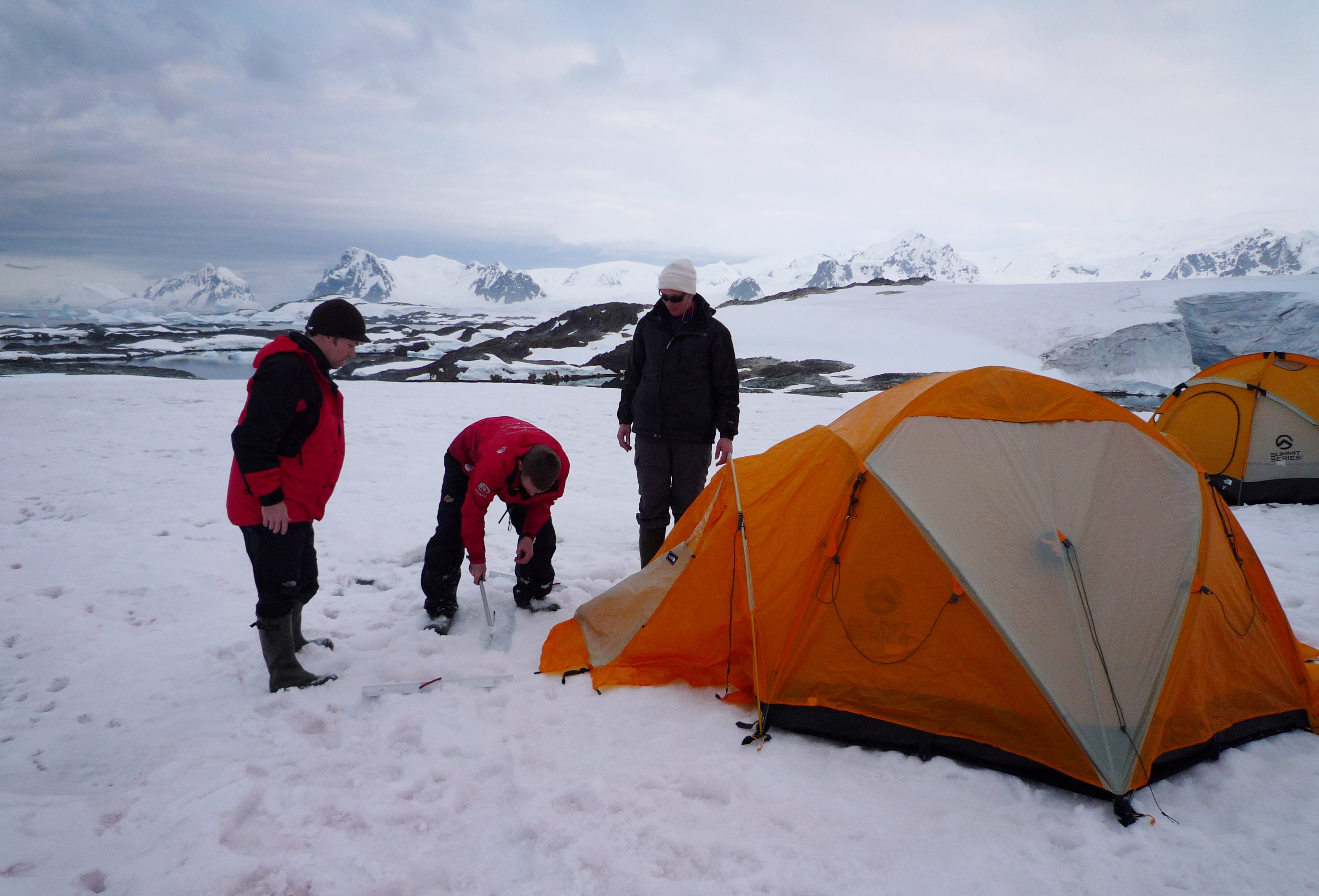
Zelt in der Antarktis
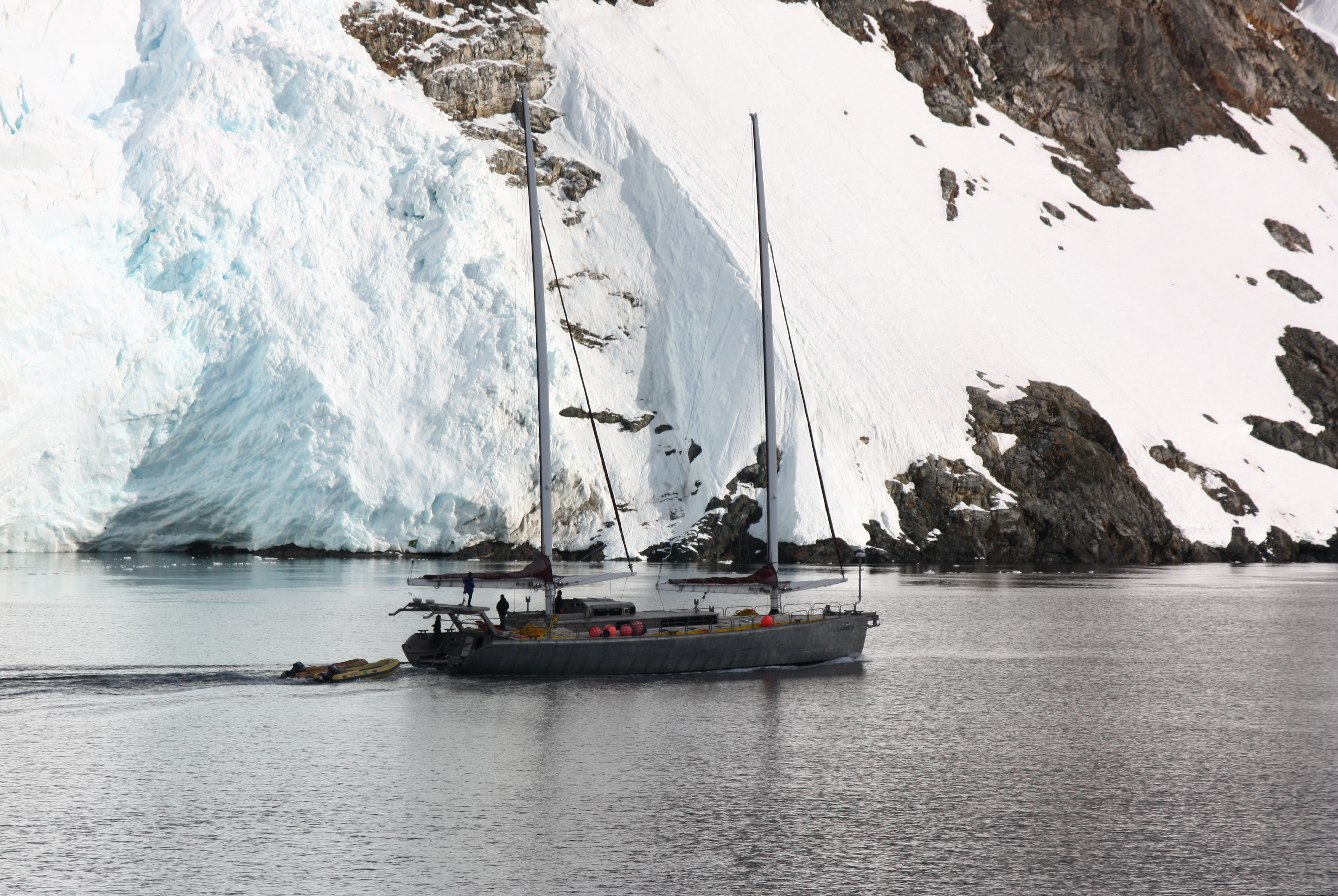
Segelyacht in der Antarktis