
The laws of environmental liability and environmental harm
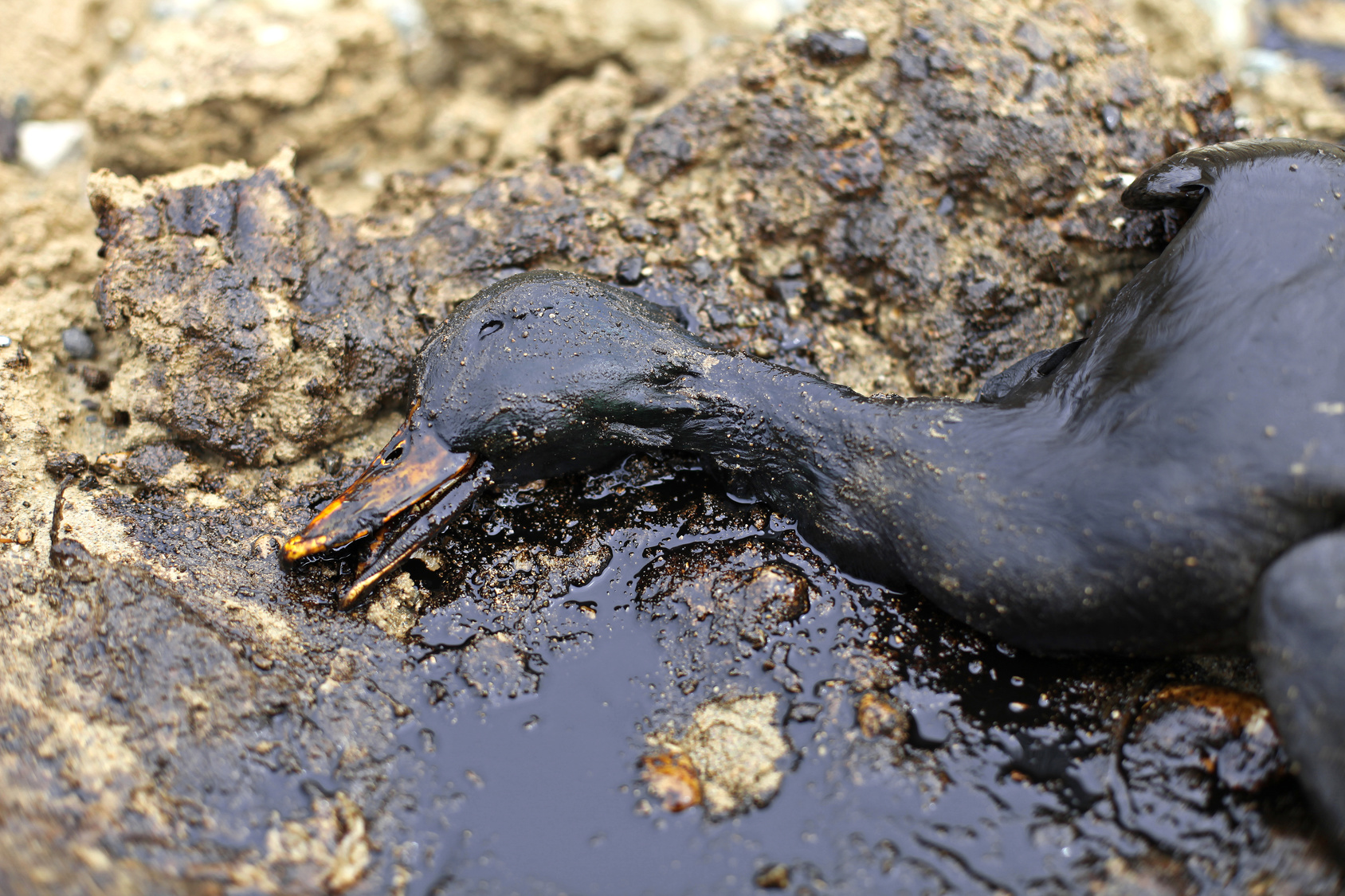
Environmental liability is an instrument of environmental protection for the prevention of and compensation for environmental harm. It promotes the personal responsibility of the (economic) players. Properly constituted environmental liability law creates economic incentives to prevent the occurrence of harm, paving the way for the payment by the polluter of compensation for any harm that occurs.
The legislature can create environmental liability legislation under both public and civil law. In terms of civil law this is a matter of compensation for harm to life, limb, health or property of individuals who fall victim to such harm mediated by environmental media as a result of the conduct of other individuals. This kind of harm is covered in particular by the Environmental Liability Act (Umwelthaftungsgesetz) of 19.12.1990. This is accompanied by standards that oblige the polluter to repair the harm to environmental goods by itself, even if the latter are not the property of a person. These standards allow the authorities to proceed against the polluter, if necessary with coercion, and to order it to repair any harm. Such regulations are contained in the Environmental Damage Act (Umweltschadensgesetz), which entered into force on 14.11.2007.
The development of environmental liability law at EU level and a compact presentation of the conditions and legal consequences of the practical application of the Environmental Damage Act can be found in the presentation “Umweltschutz durch Umwelthaftung – Das Umweltschadensgesetz” (“Environmental protection through environmental liability - the Environmental Damage Act”).
The German Environment Agency has for many years been engaged in the further development of environmental liability at national, European and international levels.