Antarctica is one of Earth's last pristine environments and requires monitoring of persistent organic pollutants (POPs) and Contaminants of Emerging Concern (CECs) to protect its fragile ecosystems from pollution with lasting and irreversible impacts on wildlife and the environment. POPs and CECs, capable of traveling long distances from their origins through atmospheric and oceanic currents, pose a global concern. Monitoring in Antarctica will provide crucial data on global pollution patterns and the effectiveness of international agreements aimed at mitigating environmental contamination.
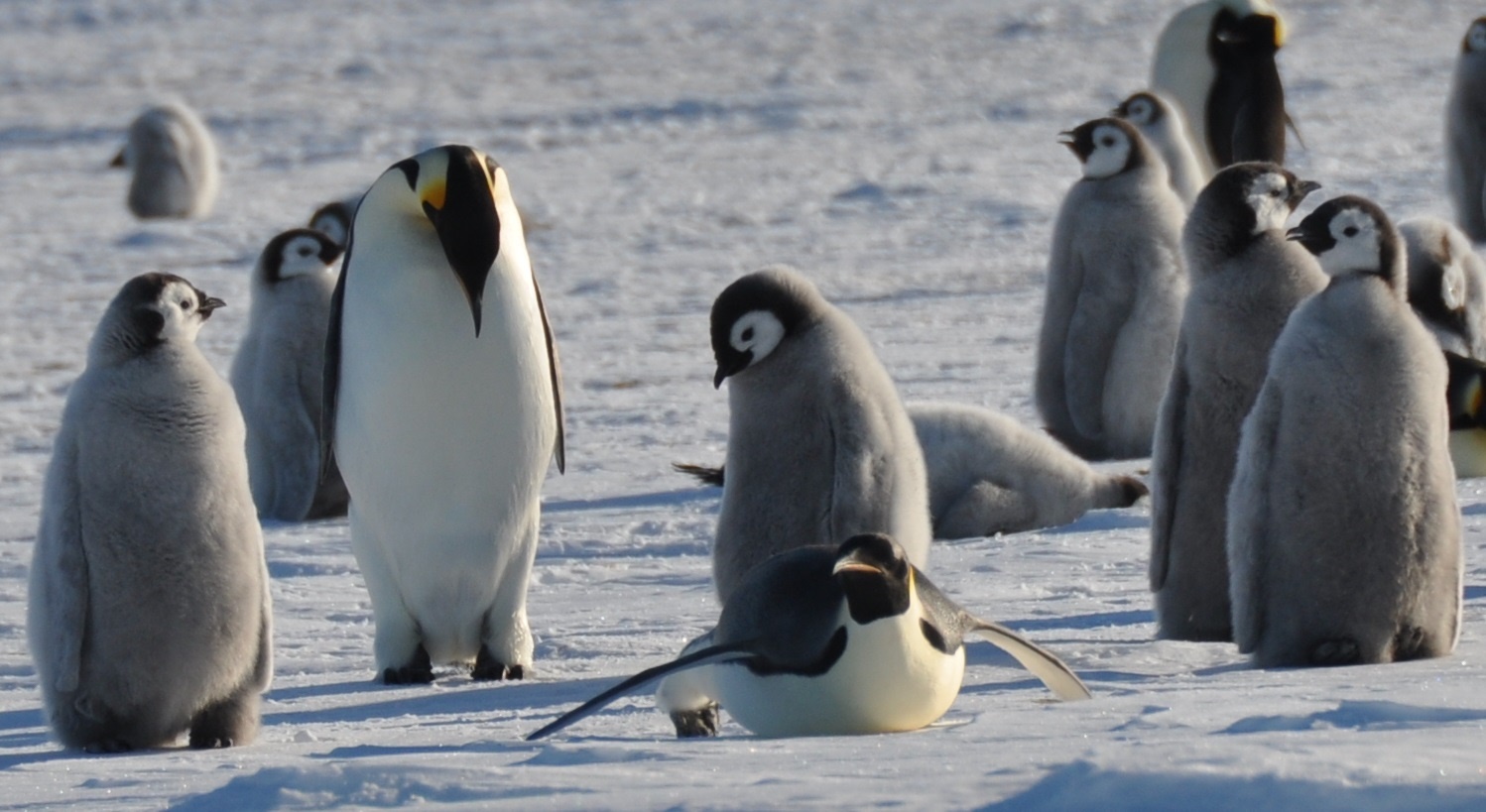
The high sensitivity of the Antarctic environment to climate change makes it necessary to understand the interactions between POPs, CECs and polar ecosystems. This is the only way to gain insights into possible changes in the distribution and toxicity of pollutants as a result of global warming. Although Antarctica is sparsely populated, research stations and seasonal tourism pose risks to humans from environmental pollutants. POPs and CECs can accumulate in the food web and affect species at different trophic levels, from plankton to top predators such as seals and penguins. Monitoring efforts to assess the health of the ecosystem and the impact on biodiversity are therefore urgently needed, also to assess potential risks to human health and implement safety measures.
In order to overcome these challenges, international cooperation between Antarctic Treaty Parties and the joint development of a pollutant concept is required. Monitoring promotes global co-operation as pollutants transcend national borders. By sharing monitoring data and insights of national and international monitoring programs, policy decisions can be made that lead to stricter environmental regulations and international agreements to mitigate the release of harmful pollutants.