The artificial stream and pond system – Introduction
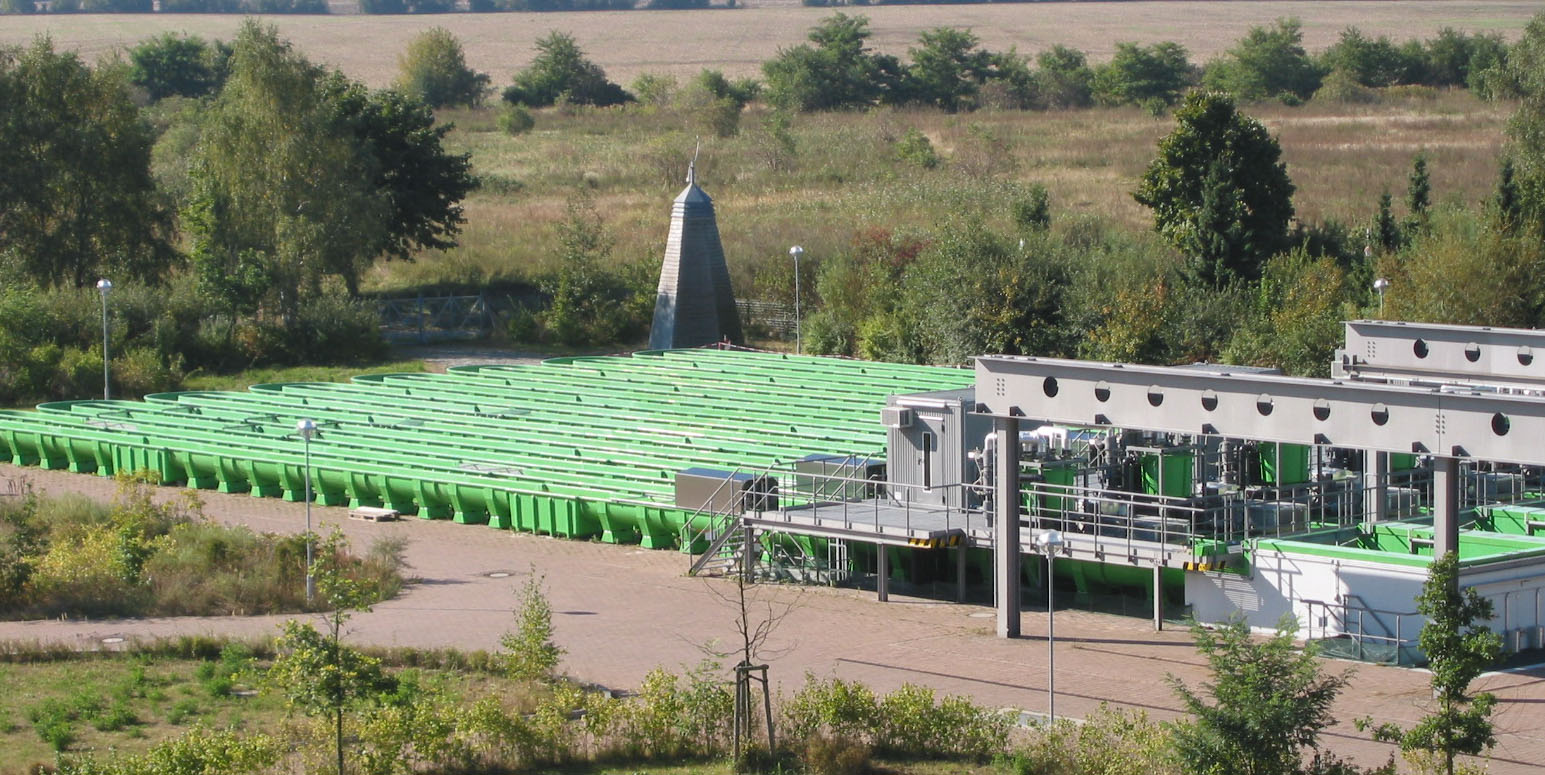
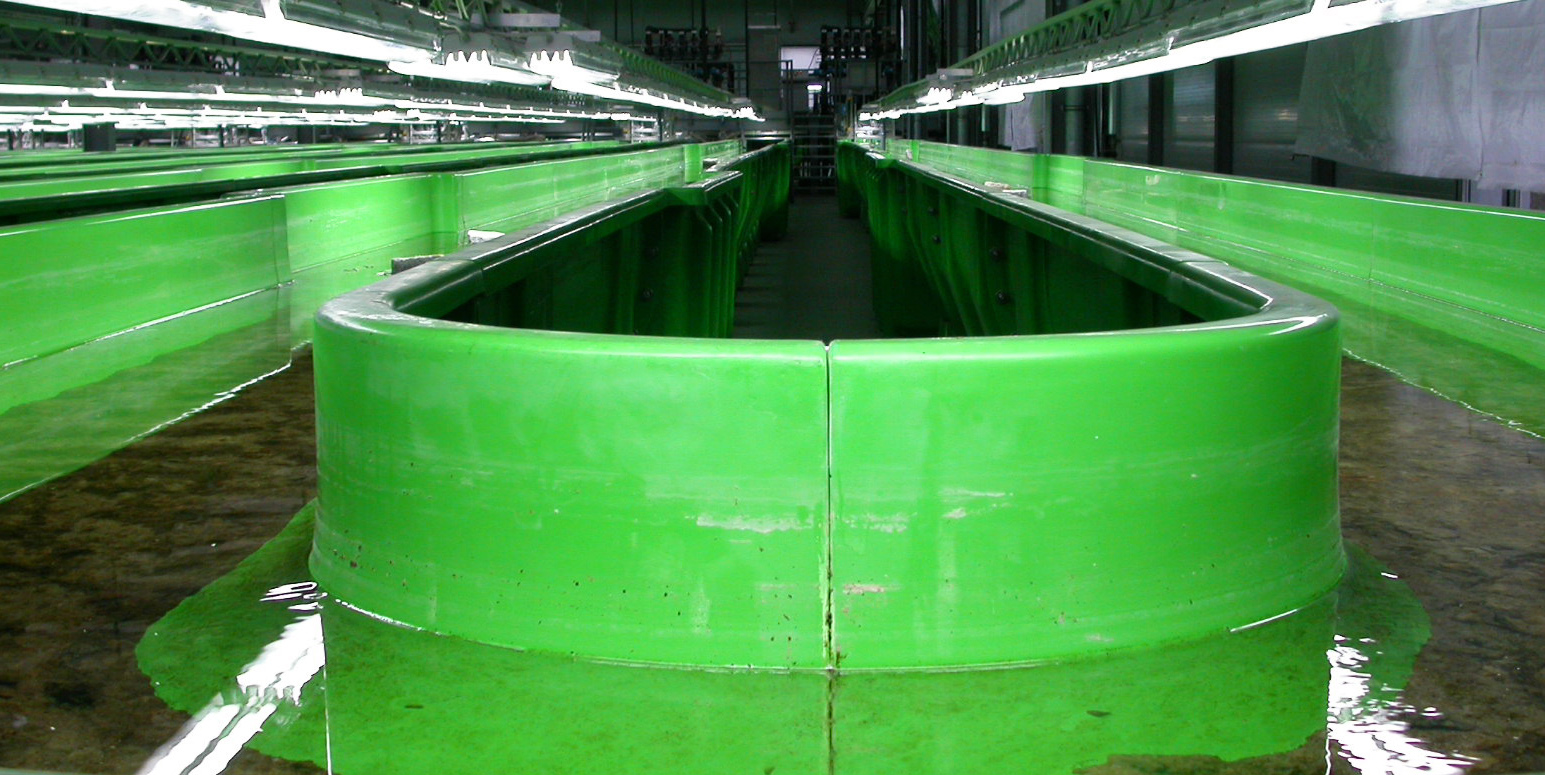
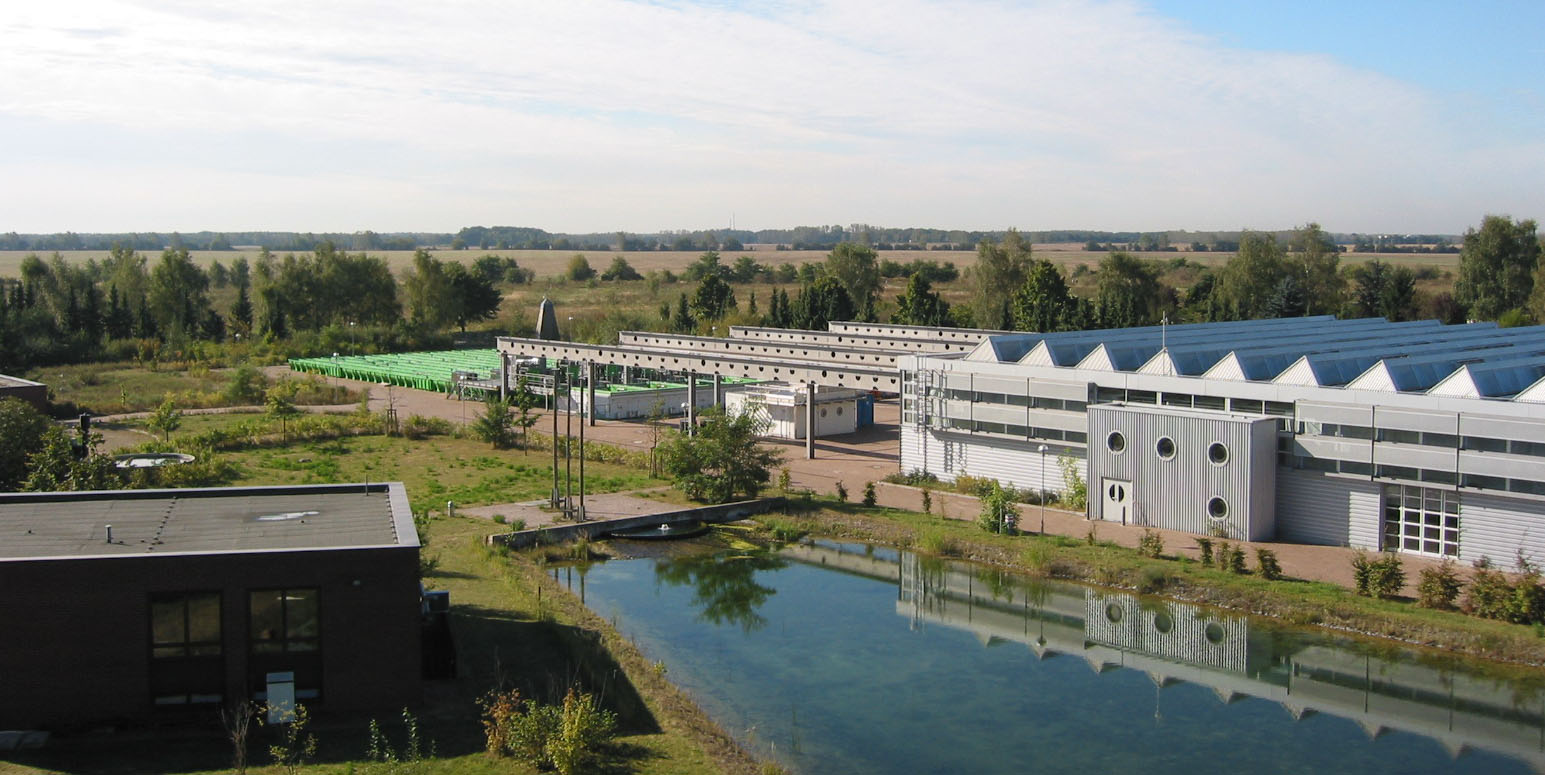
The artificial stream and pond system (“Fließ- und Stillgewässer-Simulationsanlage” – FSA) of the German Federal Environment Agency’s field station in Berlin-Marienfelde is a new large, and technically sophisticated test plant. Its facilities comprise 16 streams of 1.6 km total length, 16 ponds, approximately 5 km of pipe network equipped with more than 60 pumps, 360 valves and appropriate technical measuring equipment.
The test plant allows the simulation of aquatic lotic (flowing), lentic (stagnant) and flow-through systems – from streams and rivers, ponds and lakes, right up to river like lakes. The FSA is one of the largest existing mesocosm systems. It provides an intermediary between easily controllable, but simplifying laboratory experiments and field studies, which are less controllable, but more realistic compared to the field situation.
One objective of mesocosm experiments is to examine the effects of substances and microorganisms, which are selectively introduced into the systems on the flora and fauna, and to gain experience concerning their dispersion and stability in different aquatic compartments. The substances can either be introduced into surface waters by treated municipal wastewater (e.g. pharmaceuticals, substances containing hormones, detergents and cleansing agents, industrial chemicals, bacteria, viruses etc.), by runoff from rural areas (e.g. pesticides), or as the result of industrial accidents or atmospheric deposition (e.g. industrial chemicals).
Experiments run in the FSA shall help to answer questions which improve the expertise of the Federal Environment Agency in regulation procedures for substances and mixtures (formulations). It also provides the Federal Environmental Ministry with scientific assistance in developing and consolidating environmental protection regulations.