
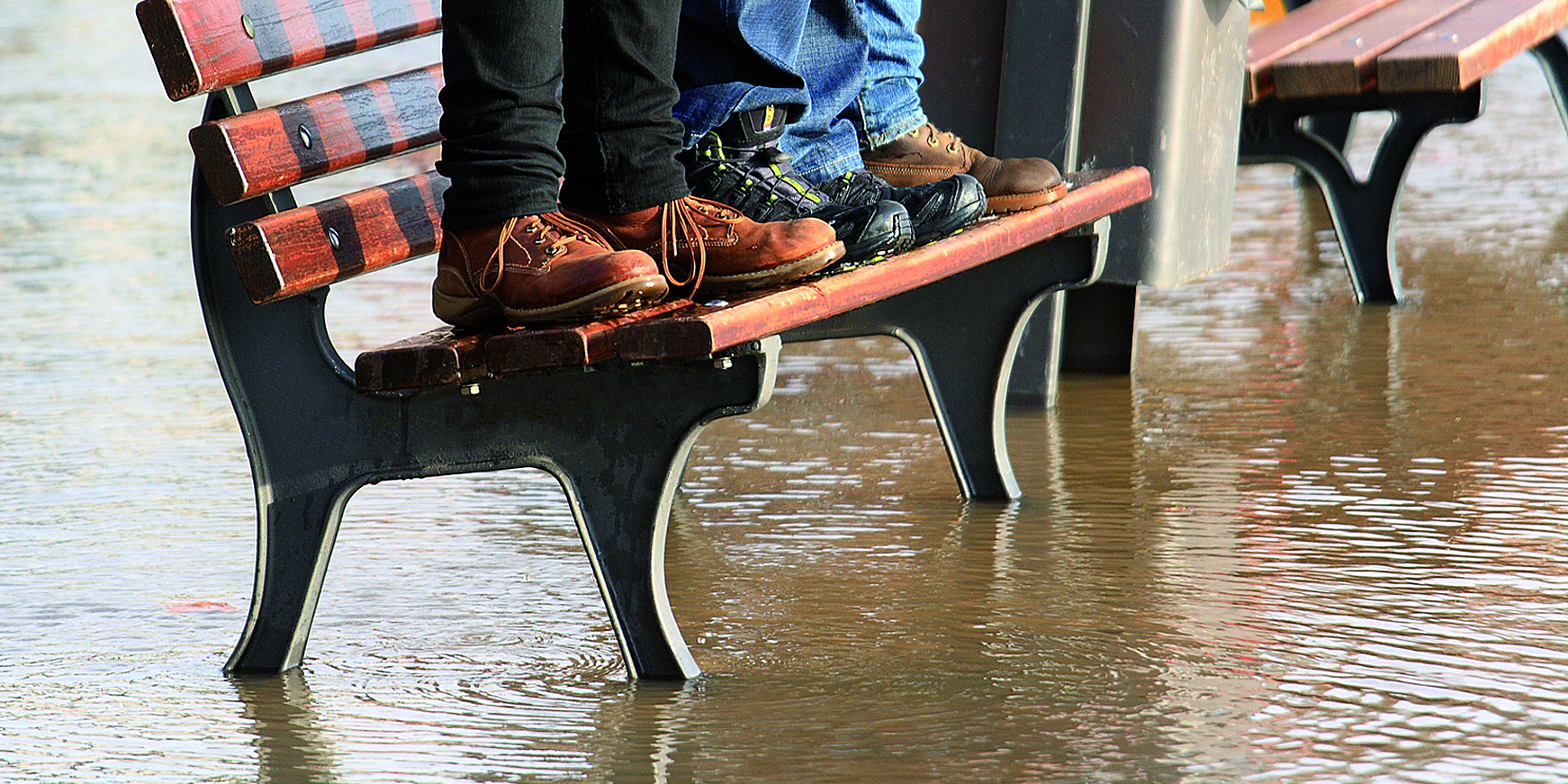

Water Resources/ Water Management
Low water
Extreme low-water situations are the result of a development lasting several weeks to months, mainly due to low rainfall and retention in artificial or natural water reservoirs.
Due to climate change, low-water situations may occur more frequently and more intensively in the future. This is particularly true for the Moselle, the Neckar and the Mulde for the middle of the century and for almost all rivers for the end of the century. The most significant changes are projected for parts of the Rhine.
Indicator from the monitoring on the DAS: Low water
Floods
As a result of climate change, a shift in precipitation from summer to winter is to be expected. In addition, more heavy rainfall is to be expected. Due to milder winters, the share of snow in total precipitation will decrease. This means that precipitation will be stored less frequently in the form of snow, so that the probability of flooding will increase. In recent years, annual flood levels have increased at many gauges in southern and western Germany.
Extreme flood events can overwhelm existing flood protection facilities and lead to considerable ecological and economic damage. Buildings and infrastructures can be destroyed, and in extreme situations human lives are also at risk. Pollutants such as fertilisers and pesticides or heating oil can get into groundwater and surface waters and thus considerably impair the quality of drinking water.
Especially in the low mountain ranges and in eastern Germany, an increase in flood runoff is to be expected in the future. The characteristics of extreme and damaging flood events (HQ 100 and higher) are still the subject of research.
Indicator from the monitoring on the DAS: Floodwater
Water temperature and biological water quality
Water temperature is a key parameter for the ecological status of water bodies and for the risk of eutrophication. An increase in water temperature can be expected in the future.
The ecological status of a water body is determined by the composition of the respective biocoenoses. If the water temperature rises, the solubility of oxygen in the water decreases and thus the oxygen supply of the water body. At the same time, many chemical and biological processes are accelerated by increased water temperature, which can lead to further oxygen consumption. This can lead to an oxygen deficit in the water body, which can become life-threatening for living organisms. The increased water temperatures also lead to a species shift towards heat-tolerant species.
Higher water temperature leads to eutrophication with blue-green algae formation and increases the likelihood of blue-green algae blooms (cyanobacteria). Particularly at risk are nutrient-rich waters that flow slowly or where the water is still. Eutrophication has a negative impact not only on the ecological status of the water body, but also on biodiversity and usability. Some blue-green algae are toxic to humans and animals in high concentrations.
Indicators from the monitoring on the DAS: Water temperature in lakes, Spring algal bloom in lakes
Groundwater level and groundwater quality
Groundwater is a valuable resource in Germany and serves as a source for the daily water needs of over two-thirds of the population. Groundwater is fed by precipitation and is mainly formed in winter, when little water evaporates and is transpired via plants. A possible increase in precipitation totals in winter can lead to more groundwater recharge. This phenomenon is compensated for by rising temperatures, thus increased evaporation and longer vegetation periods due to climate change. During the two record heat years of 2018 and 2019, groundwater levels dropped significantly. Low groundwater levels can be problematic for water abstraction for drinking water.
In some regions, groundwater is heavily polluted by nitrate and pesticides. In addition, the increase in air and soil temperature also raises the temperature of groundwater, which has a negative impact on its quality. Increased temperatures affect groundwater quality because they lower the oxygen content and pH values of the groundwater through increased decomposition of organic matter.
Indicator from the monitoring on the DAS: Groundwater level and spring flow
Further climate impacts
Stress or failure of flood protection systems: Technical flood protection has been used for centuries. As a rule, the statistically calculated probability of recurrence of once in 100 years serves as the basis for dimensioning the measure. With climate change, it is to be expected that higher annual peak discharges will occur and that the recurrence interval of the current design flood will shorten. It may be necessary to adapt the flood protection measures.
Flash floods (failure of drainage facilities and flood protection systems): A flash flood is a sudden localised flood with high damage potential as a result of local heavy precipitation. There is a risk of extreme heavy precipitation occurring everywhere in Germany. An accumulation and intensification of heavy precipitation is to be expected in the future.
Restrictions on the functioning of sewer networks and receiving waters and sewage treatment plants: The historically developed sewer network in German cities is overloaded by local heavy rainfall events in many cities, causing damage to settlement areas and surface waters. Increased heavy rainfall events lead us to expect increased overloading of the sewer networks and wastewater treatment plants. The performance of wastewater treatment plants is more likely to be boosted by higher temperatures in the future. Discharge of WWTP effluent into surface waters during low flows may lead to more loads.
Chemical water quality: Chemical water quality is determined by land use, intensity of use and the concentration of substances introduced. Substance inputs occur from agriculture, transport, industry and mining and private households. The degree of dilution of chemical substances in water depends on the discharge of the water body. If the runoff decreases, due to increased evaporation caused by climate change-induced warming or changed precipitation, the concentration of chemical substances increases.
Lack of irrigation water: Rising temperatures and dry periods will noticeably increase the need for irrigation in agriculture in the future. The majority of irrigation water is currently taken from groundwater. In conjunction with an increased demand for irrigation water, there could be increasing competition for groundwater as a resource.
Drinking water: In Germany, around 70 percent of drinking water comes from groundwater, followed by spring water, lakes and reservoirs, artificially enriched groundwater, bank filtrate and river water. Rising temperatures could first affect the drinking water sources near the surface, both quantitatively and qualitatively. In the long term, this also endangers groundwater, a resource that is heavily used by many users. Germs in drinking water pipes are favoured by the expected warming and endanger water quality.
Production water: About 25 percent of production water in Germany is used for industrial production. Consumption is to be further reduced through the use of comprehensive, production-integrated wastewater recycling. The industrial use of production water has declined sharply in recent years. Depending on the development of production and the economy, demand could rise or fall in the future.
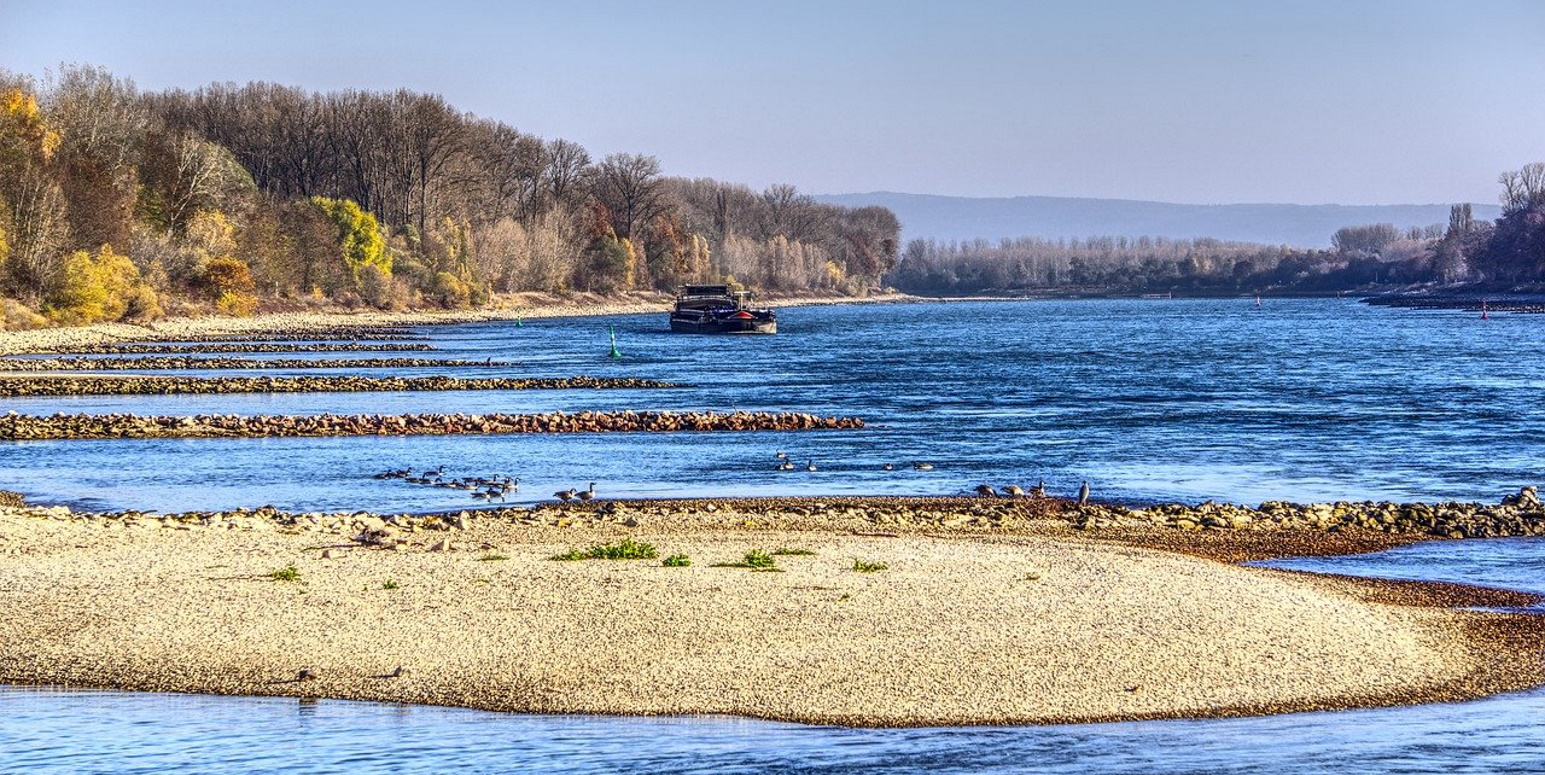
Low water situations may occur more frequently and more intensively in the future. They have great economic significance, as they restrict inland navigation and also affect the energy industry.
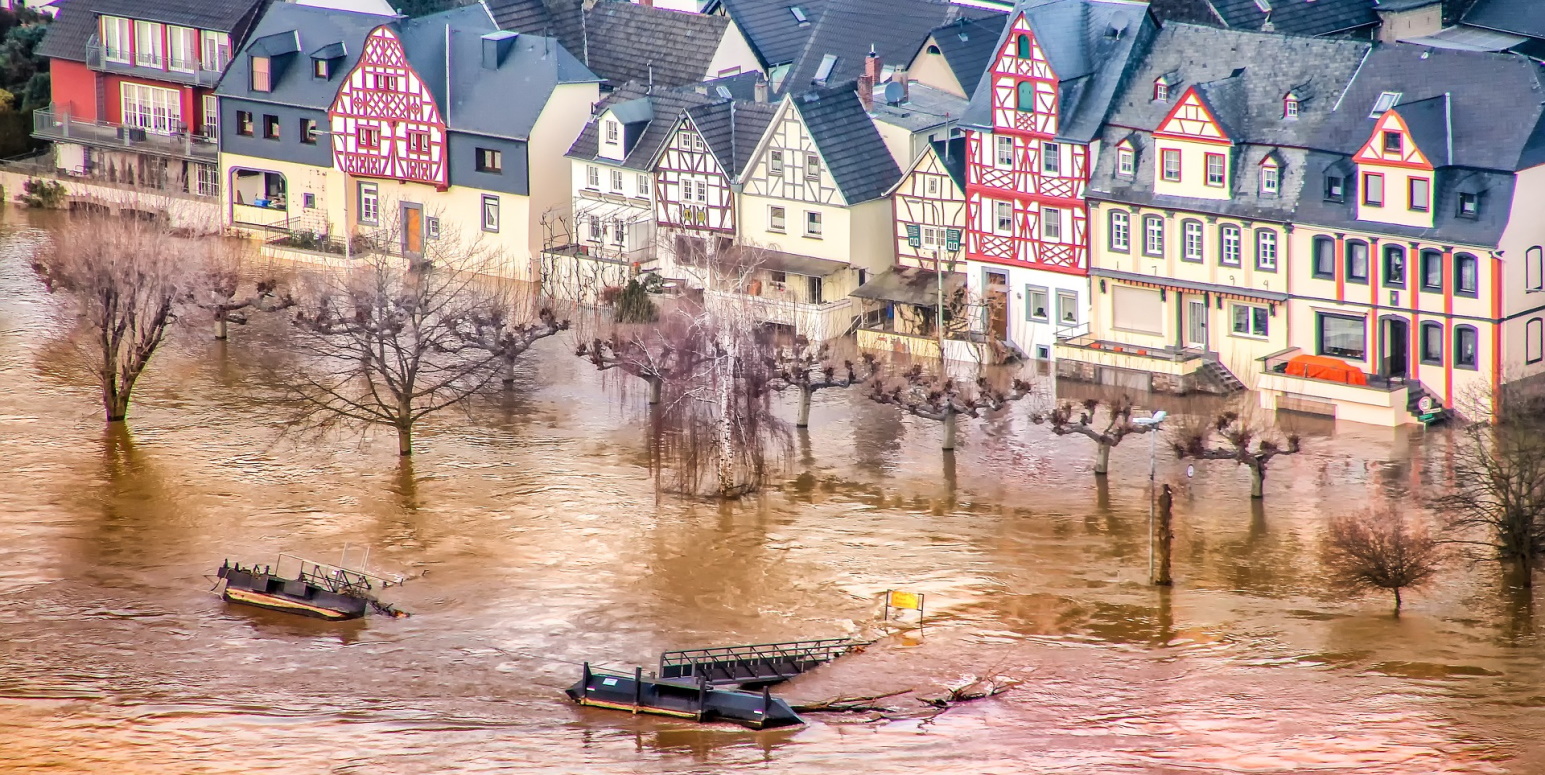
Flood events are also likely to occur more frequently in the course of climate change. Extreme floods can overwhelm existing flood protection facilities and cause considerable damage.
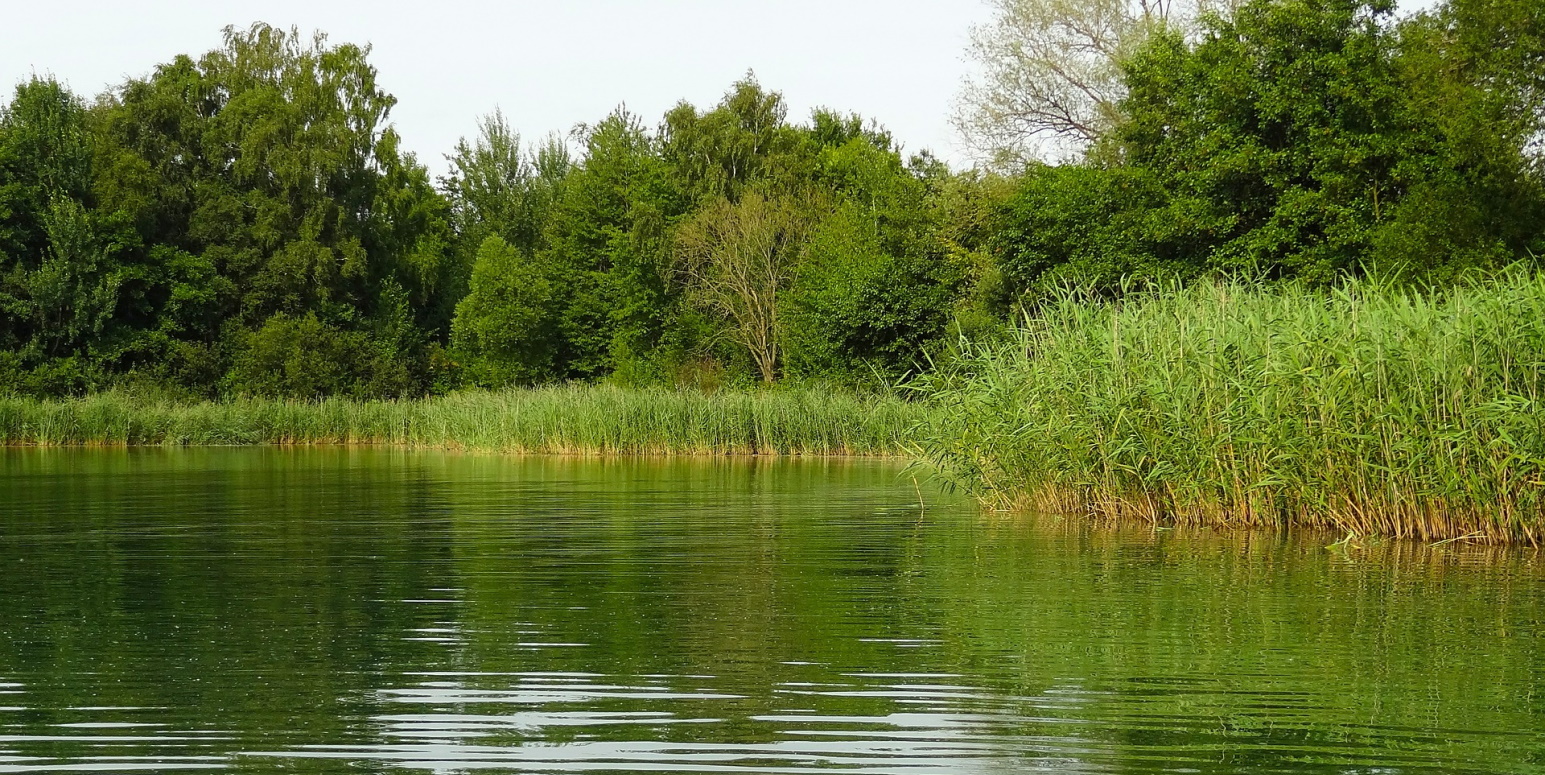
Higher temperatures lead to higher water temperatures in lakes. This increases the risk of eutrophication. The probability of a blue-green algae bloom also increases.