

Water Resources/ Water Management
Measures to mitigate the stress or failure of flood protection systems
Floods can occur along all watercourses and, in extreme cases, overwhelm flood protection systems. Flood protection systems can be adapted by reinforcing or constructing new technical flood protection systems. These are mainly dams, dikes, reservoirs, flood retention basins, polders, weirs, local flood protection walls or mobile walls.
In addition to technical measures, measures that serve to create retention areas to hold back water in the area and to restore near-natural watercourse structures are also of great importance. For example, meandering rivers and streams reduce the flow velocity and thus reduce the peak discharge of floods. Floodplains, floodplains and oxbows connected to the watercourse can absorb part of the flood runoff.
In addition, measures for behavioural and structural precautions, for improving flood forecasting, for crisis management and for risk-adapted reconstruction help to prevent damage.
By the end of 2015, nationally and internationally coordinated flood risk management plans were drawn up for all German river basins for the first time. They must be reviewed and updated every six years. For this purpose, hazard and risk maps are drawn up and updated for areas at risk, objectives for dealing with existing risks are formulated and action plans for achieving the objectives are drawn up and further developed.
Indicator from the monitoring on the DAS: Investments in flood protection – case study
Measures to reduce water body temperature and improve biological water quality
High water temperatures can lead to eutrophication of a water body. To prevent this, it is important to reduce nutrient inputs into the water body. This requires measures that help to reduce fertiliser quantities as well as soil erosion and runoff, minimise nutrient inputs by establishing water protection strips, or drain agricultural soils in a more environmentally friendly way. Land-based animal husbandry also contributes to the protection of water bodies from eutrophication. Especially in small and medium-sized water bodies, shading by riparian vegetation can also help to prevent the water from warming up too much.
Groundwater level and groundwater quality
Adaptation measures to declining groundwater levels aim to strike a balance between abstraction and recharge. Groundwater abstraction can be reduced by implementing measures that reduce drinking water consumption. Starting points are, for example, the sprinkling of agricultural areas or the increased use of greywater or rainwater wherever the type of use allows. Groundwater consumption can also be reduced through higher water extraction fees for water-using industries with high environmental impacts, such as agriculture and mining, as well as increased savings incentives for private consumers.
In addition, there are various groundwater recharge strategies, for example through the planned infiltration of additional water volumes. Groundwater recharge can also be promoted through the conversion of coniferous to deciduous forests.
To improve groundwater quality, it is necessary to reduce contamination by nitrate from agricultural sources.
Indicator from the monitoring on the DAS: Water use index
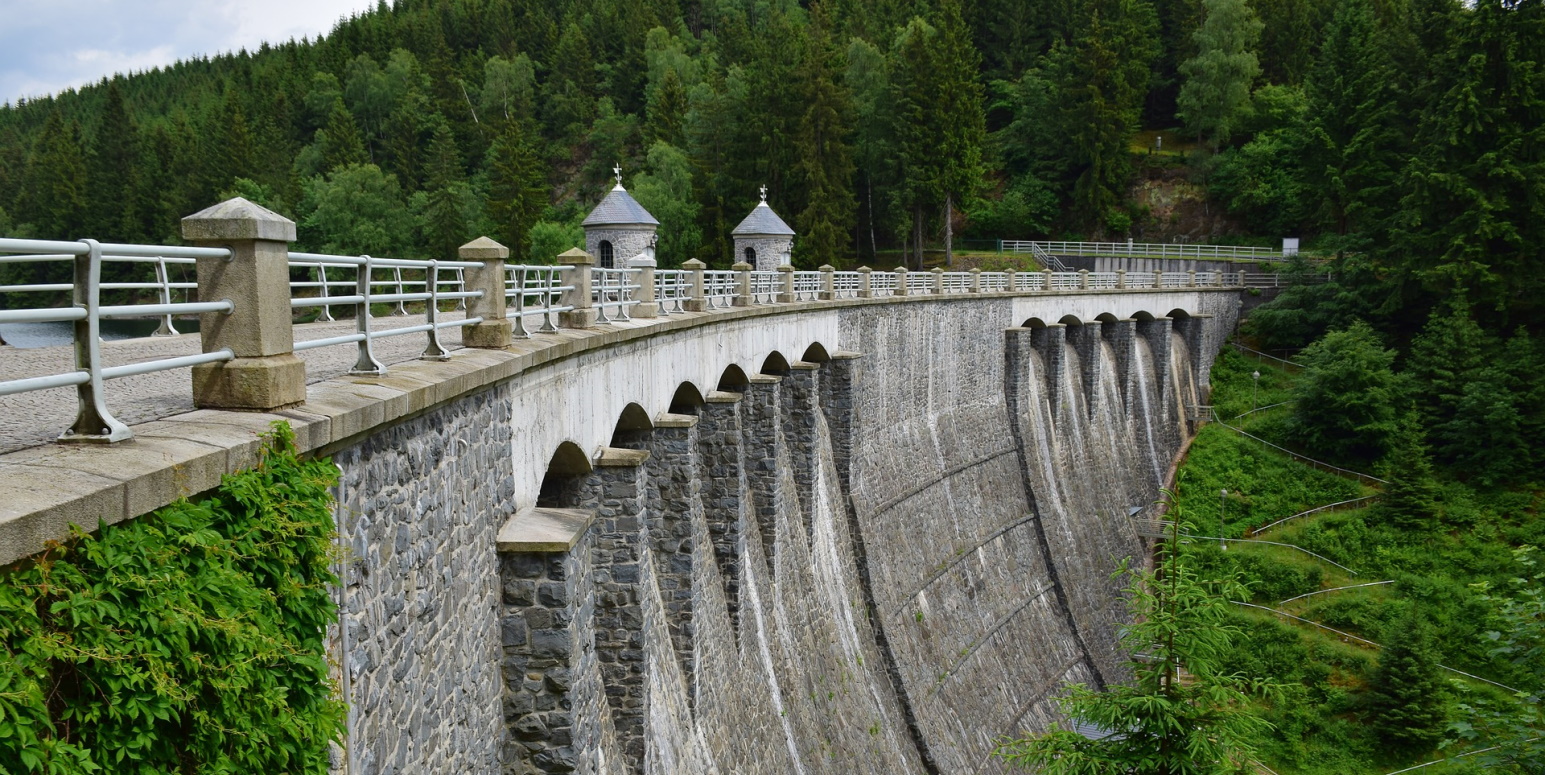
Dams, like flood retention basins and flood polders, are among the most important elements of technical flood protection.
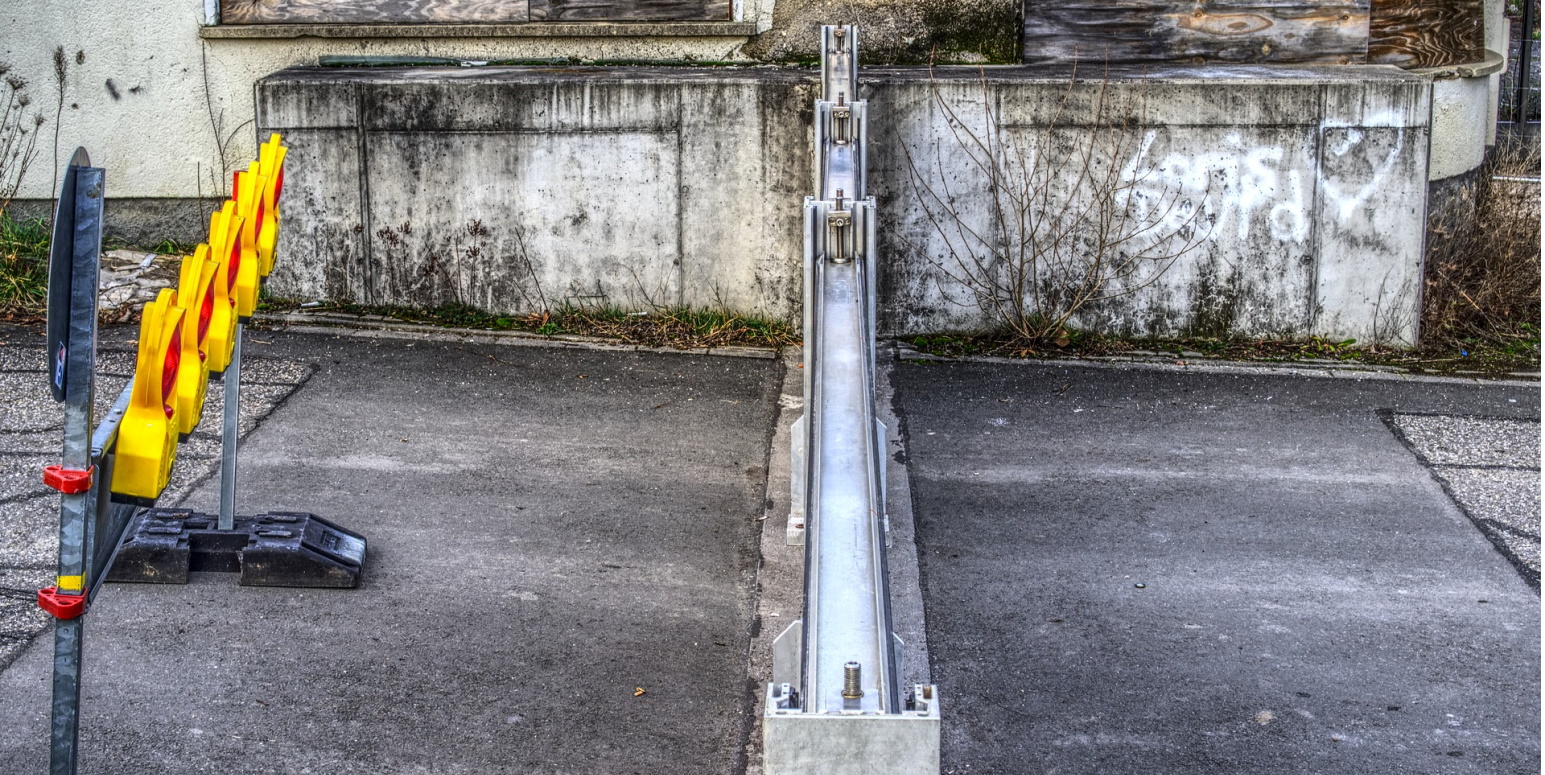
Mobile flood protection walls are installed in case of emergency and protect roads and buildings from flooding.
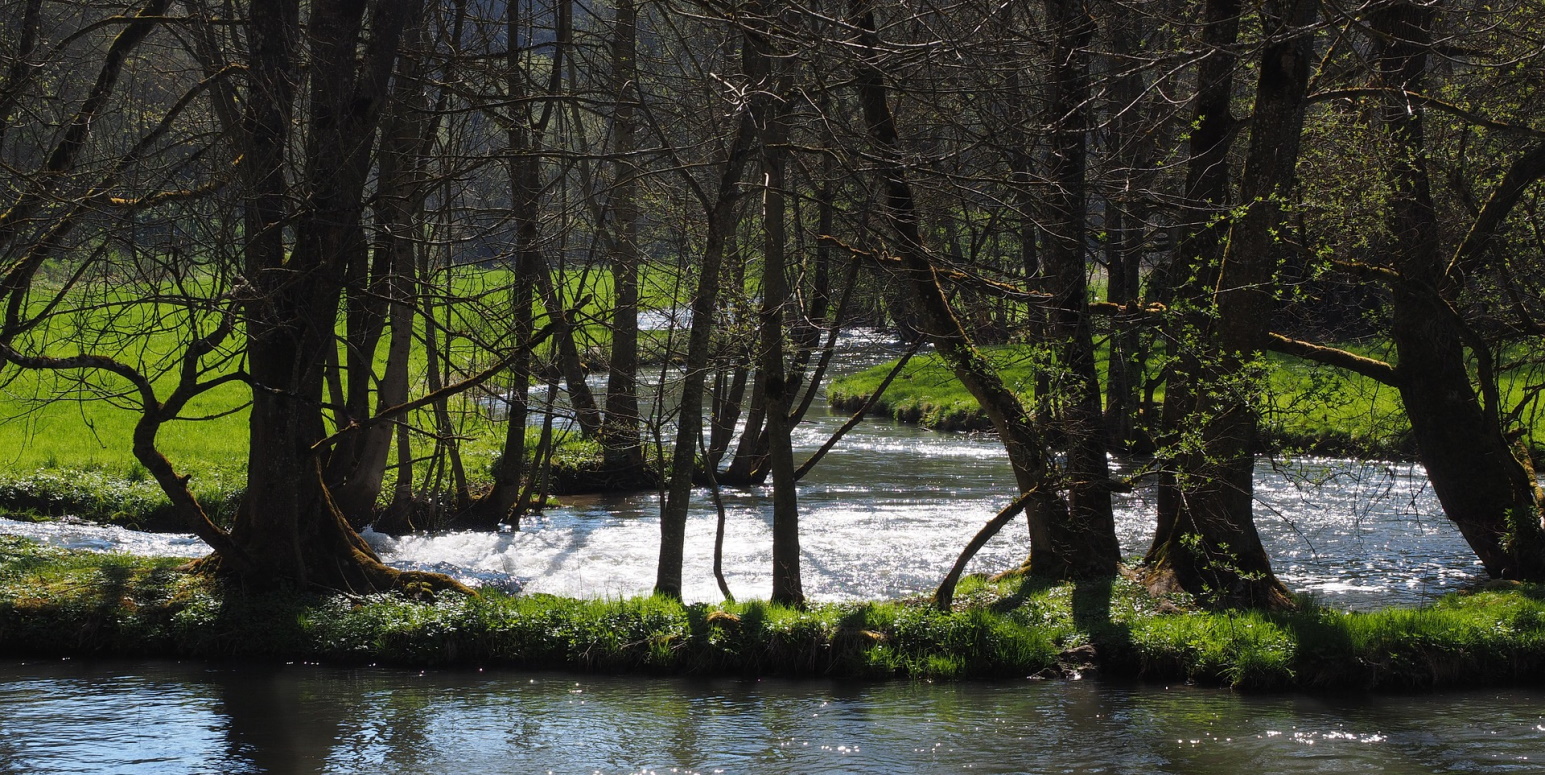
Natural river course: Near-natural watercourse structures reduce the flow velocity of rivers and thus mitigate flood discharge peaks.