The Federal Soil Protection Law defines remediation measures as follows:
- Measures eliminating or mitigating the pollutants (decontamination measures)
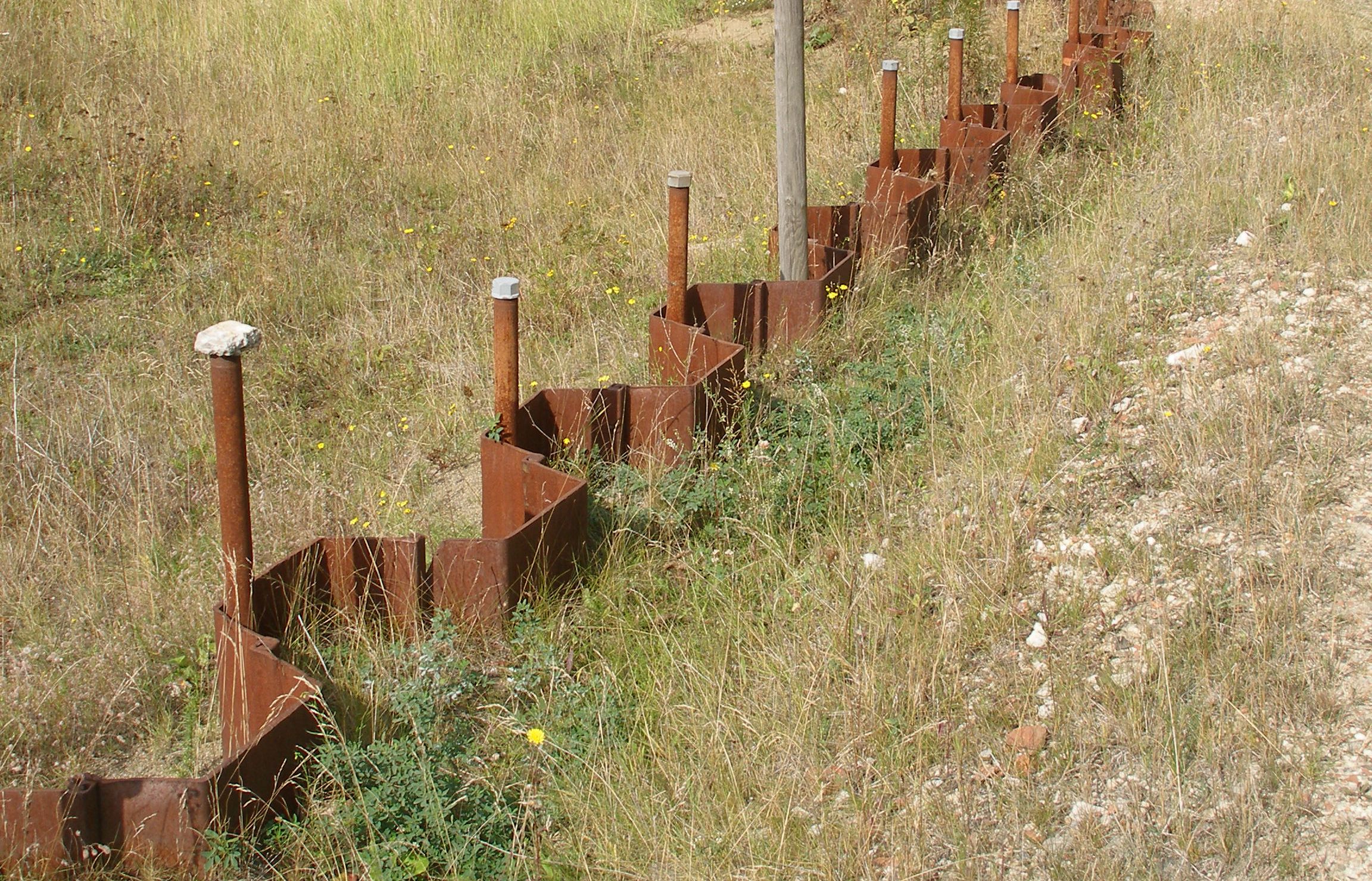
- Measures preventing or mitigating pollutant propagation over the long term, without cleaning up the pollution (safety measures)
- Measures eliminating or mitigating deleterious changes in the physical, chemical or biological properties of the soil.
Remediation measures selected for a specific site need to be necessary and to comply with the principle of proportionality. The proportionality assessment is part of the remediation study. If the relevant remediation measures are disproportionate for a given site, protective and mitigating measures can be used instead. Natural pollutant mitigation mechanisms need to be considered, too. Pollutants need to be eliminated when the deleterious soil changes or site contamination have occurred after 1 March 1999, insofar as such measures are reasonable in light of the relevant site’s preexisting contamination.
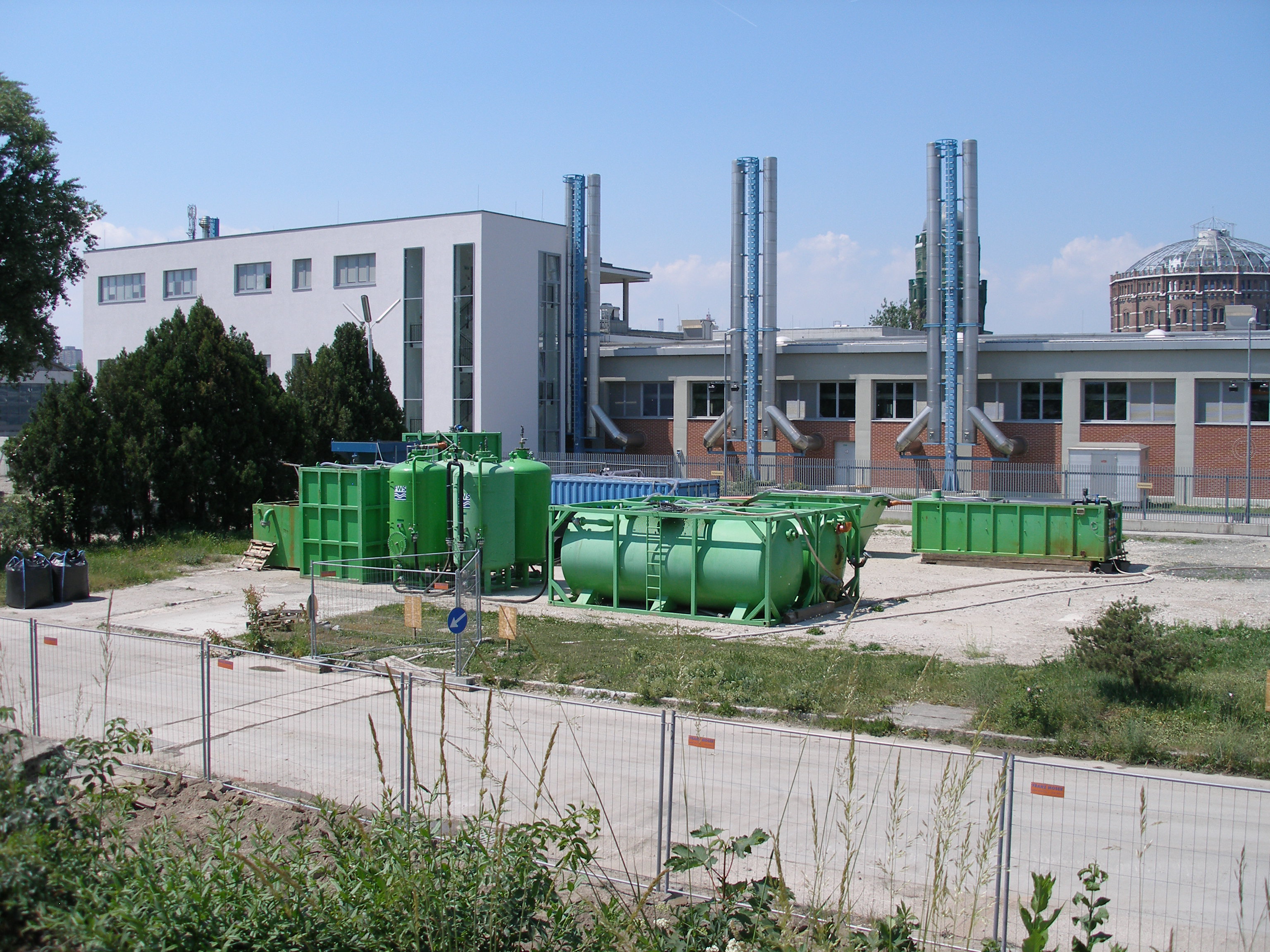
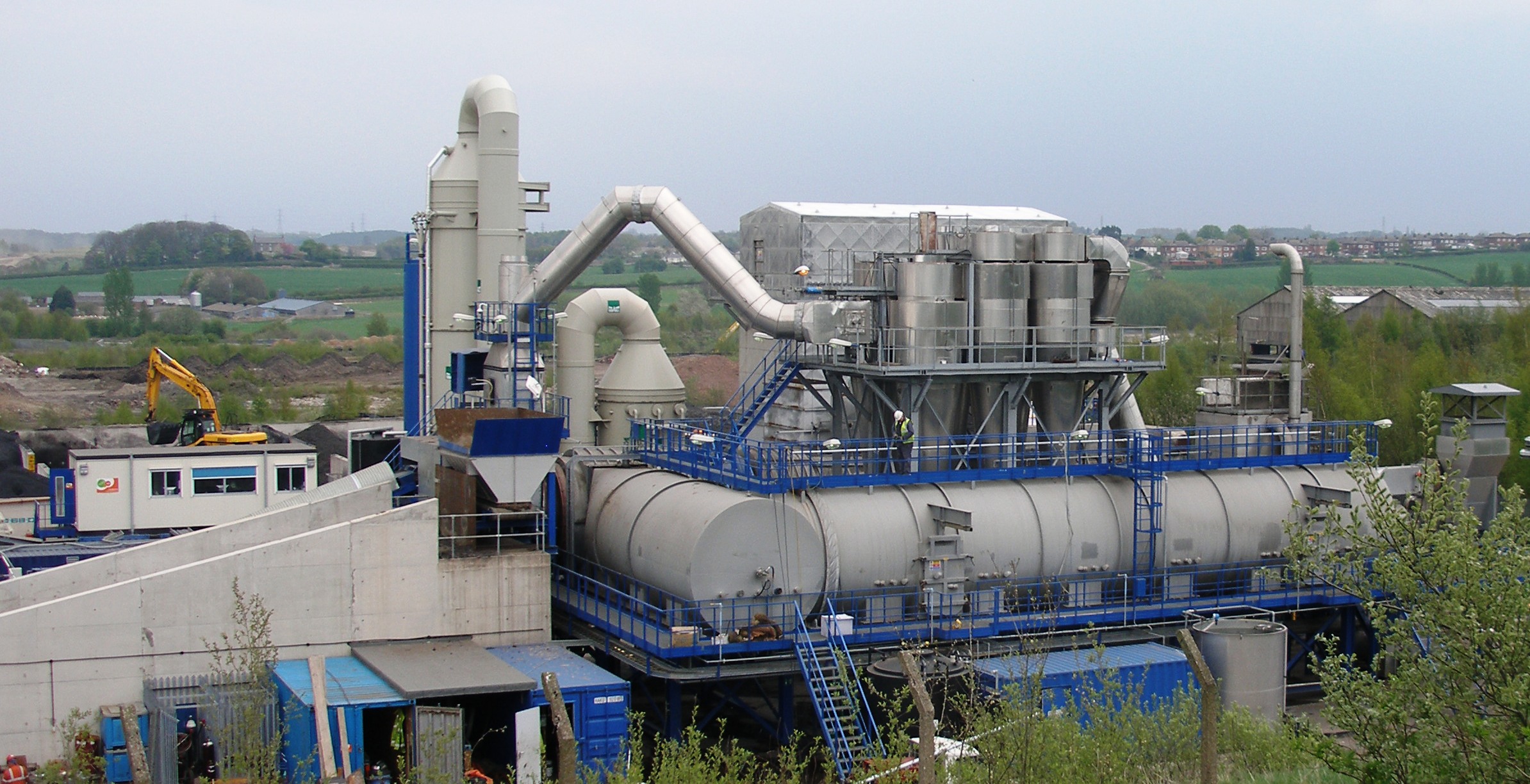
The cost and effort for remediation measures, follow-up measures and site monitoring can vary considerably. It may happen that (a) no remedition technique is available; (b) the cleanup cost may be unreasonable; or (c) there might be opposition to the use of innovative techniques or management concepts. Oftentimes, a combination of several measures (treatment train) is applied using mobile and semi-mobile cleanup equipment. Comprehensive management concepts that encompass monitoring plans have also proven successful.
During selection of remediation measures the environmental impact of the envisaged measures need to be taken into account, as well as the socioeconomic dimensions of site cleanup and land recycling. Often a combination of decontamination and construction measures for land reuse purposes is more sustainable than conventional excavation. Moreover, soil and groundwater cleanup efficiency can be optimized through innovative strategies.
Remediation management of PFAS contamination (work aid)