Environmentally friendly disposal of leftover drugs
Pharmaceutical products are designed to heal, alleviate, or prevent diseases. They are valuable and often costly, requiring careful use. However, expired or unused medicines may accumulate in households. To protect both people and the environment, it is essential to dispose of them properly.
In Germany, disposal options for leftover drugs vary by region. The most commonly recommended methods are disposal via household waste or hazardous waste collection points. You can check locally recommended disposal methods by entering your postcode at arzneimittelentsorgung.de.
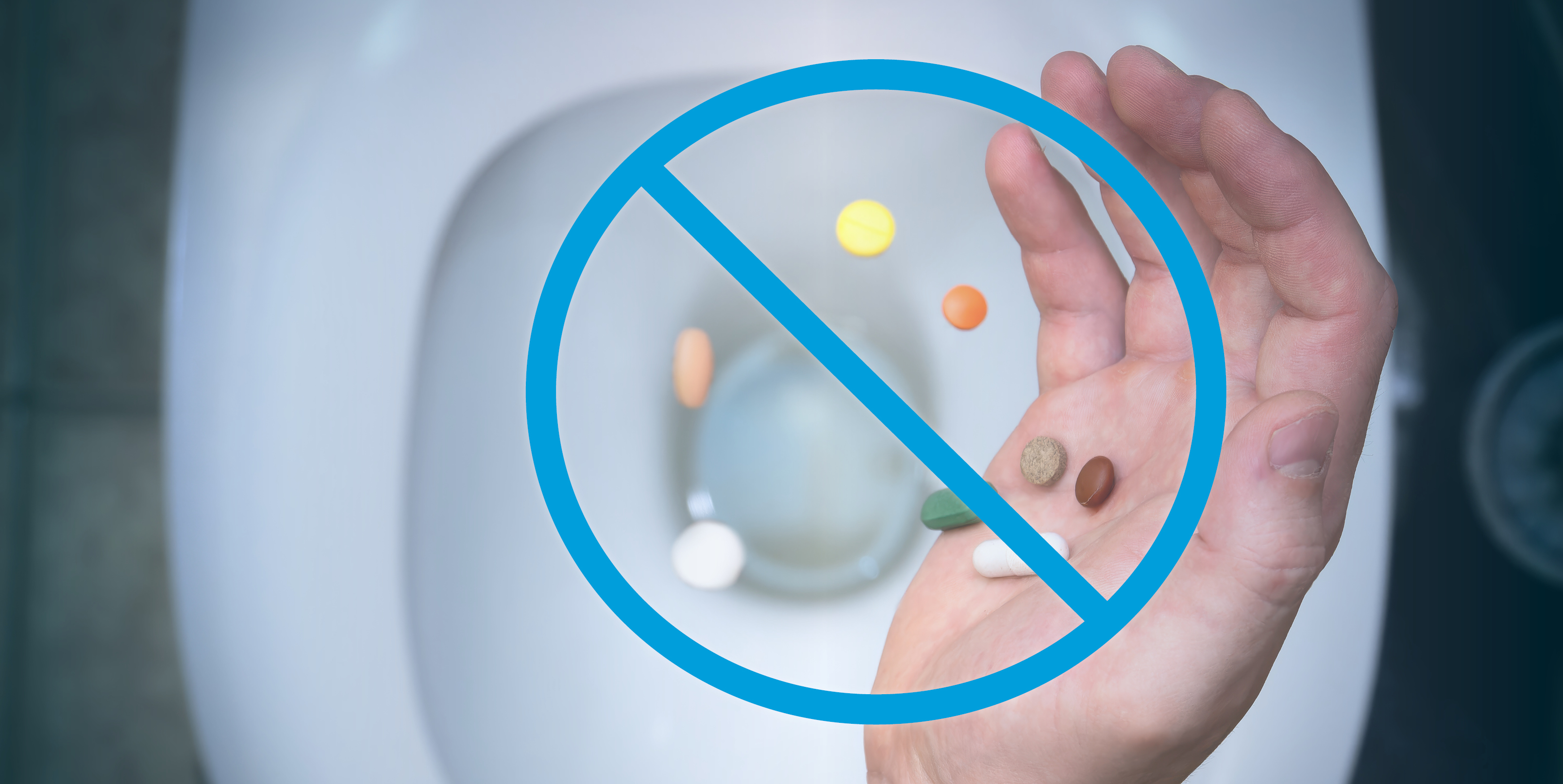
However, one rule applies everywhere: NEVER dispose of drugs via the toilet or sink! This also applies to liquid medicines such as cough syrup or eye drops, which should always be disposed of along with their container. In these cases, preventing pharmaceuticals from entering the water bodies is more important than recycling the packaging (e.g. bottles or ampoules).
When disposing of medicines in household waste, ensure they are inaccessible to prevent misuse (e.g. by children, to avoid poisoning). It may be advisable to place medicine residues at the bottom of the bin or wrap them in paper. The outer packaging of medicines can be disposed of as usual through paper recycling.
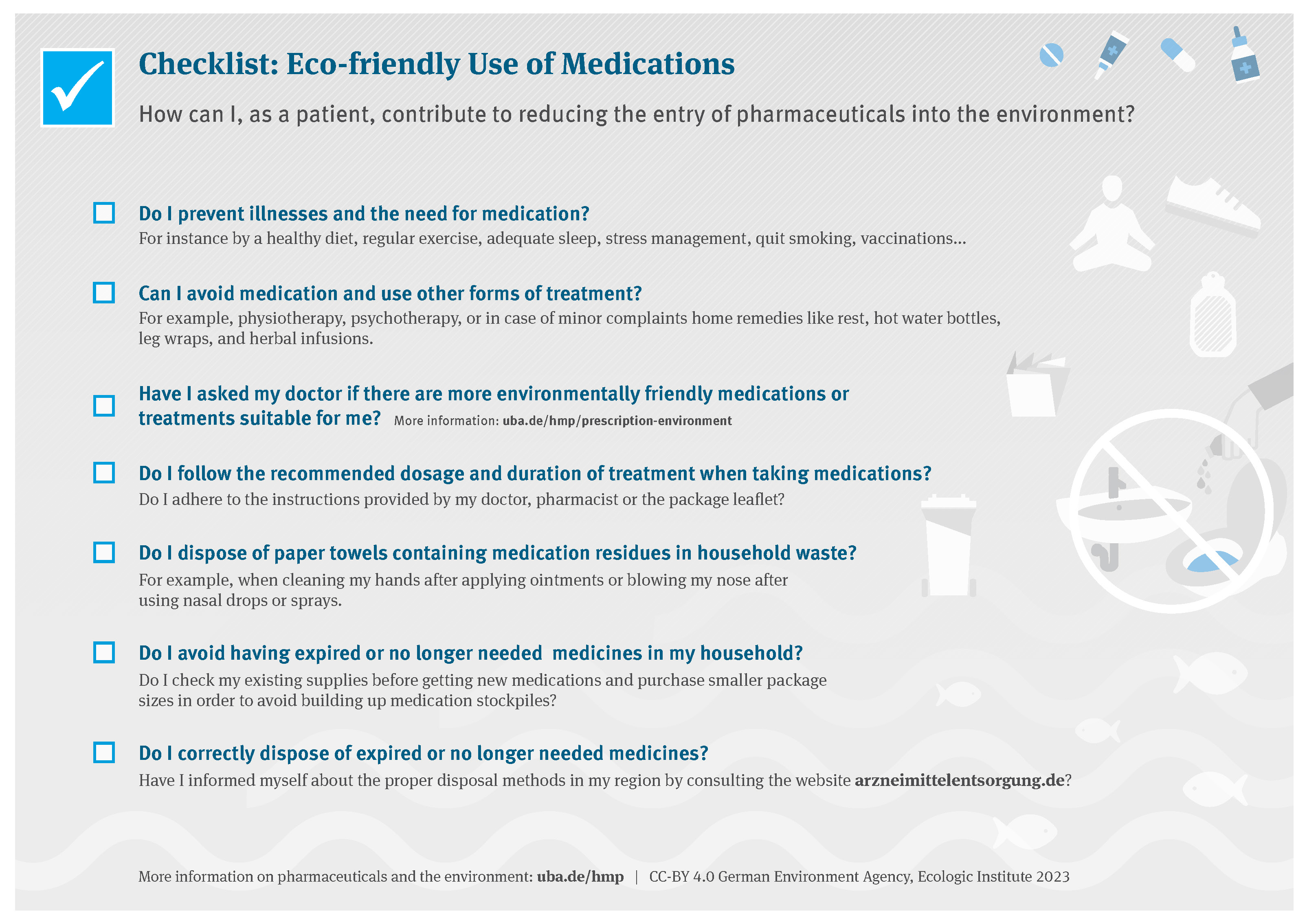
Paper tissues containing pharmaceutical residues should always be disposed of in household waste, not in the toilet, to prevent pharmaceuticals from entering wastewater. For example, if you have applied a medicinal ointment, first wipe your hands with a paper tissue and dispose of it in household waste before washing your hands with soap and water. Similarly, tissues used after applying nasal drops or sprays should go in the household waste bin.
Further information: Pain relief gel – questions and answers
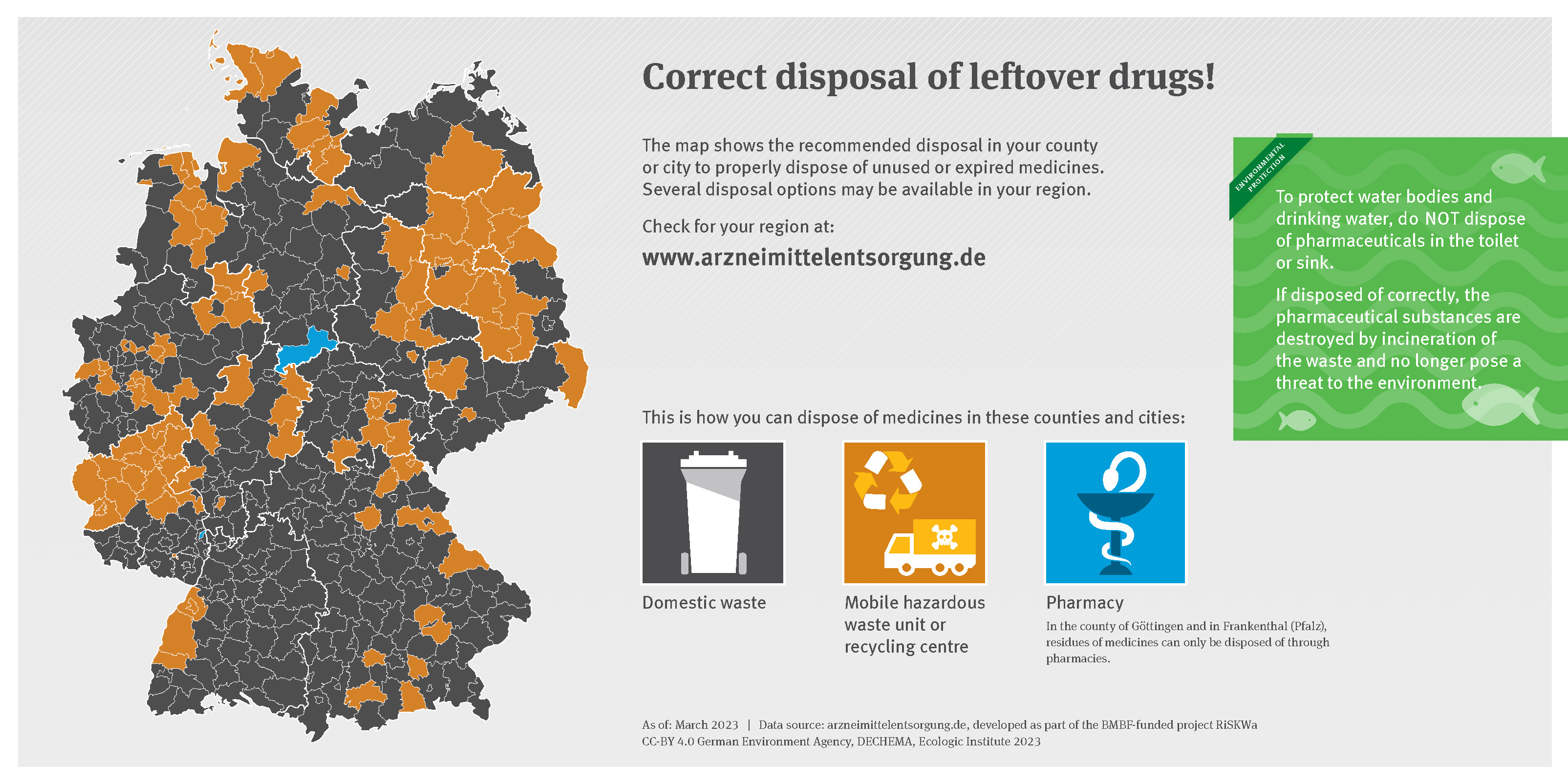
Check for your region at: www.arzneimittelentsorgung.de