
Skip to main content Skip to main menu Skip to footer

Small-scale drinking water supplies

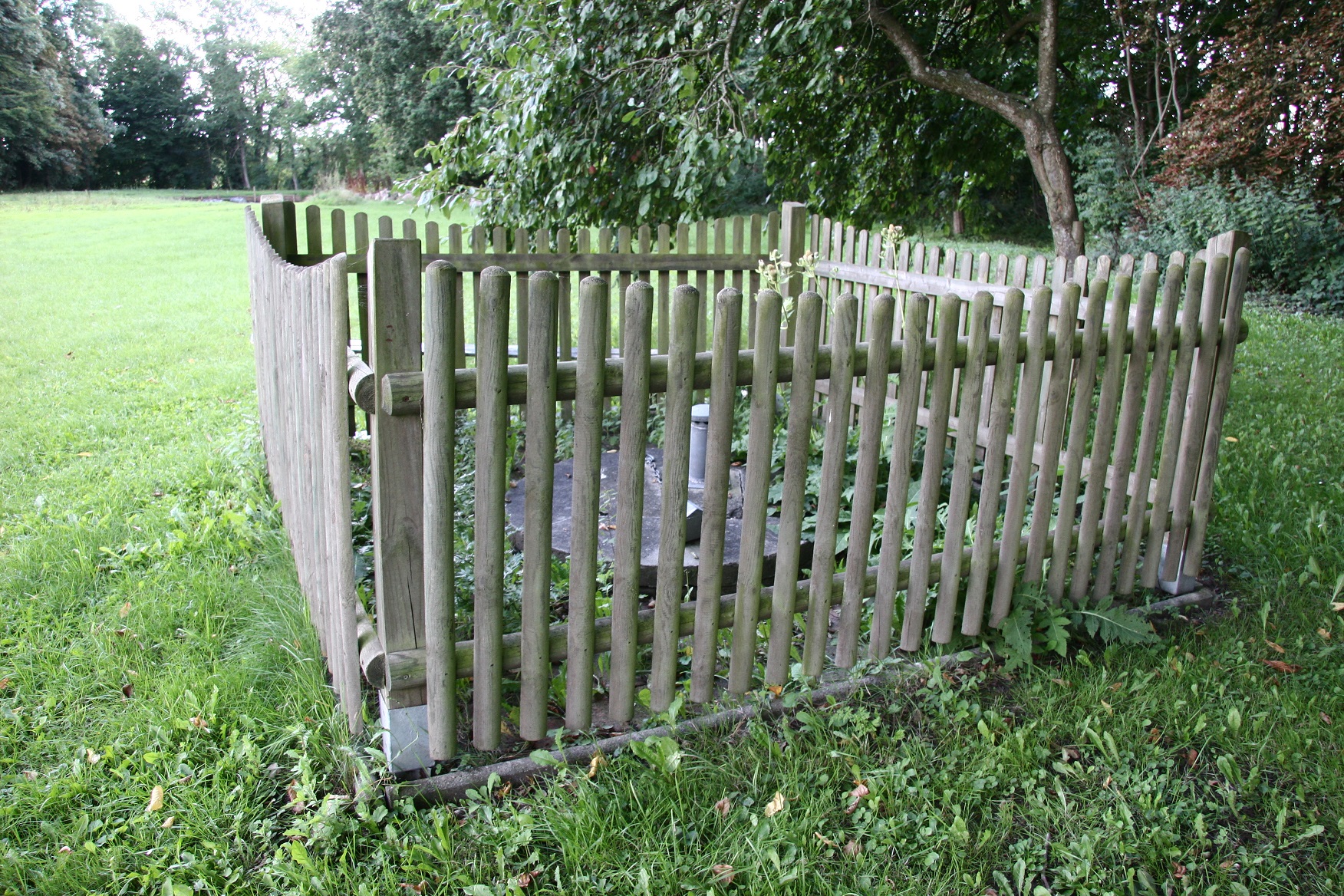
Fenced well to prevent drinking-water contamination.
Drinking water from small-scale water supplies
Source: Bettina Rickert/UBA

Small-scale systems are important for a safe supply with drinking-water, in rural areas. Experience has shown that they are often facing challenges, for example with respect to qualification of operators, resource protection and surveillance. Generating an enabling environment is therefore important for their safe operation.

Table of contents

Undivided health protection for drinking-water

In Germany, the requirements governing drinking water quality must be met by all drinking water supplies, regardless of their size, the quantity supplied, the number of persons served, or organizational and ownership structures. Therefore, all minimum requirements stipulated in the German Drinking Water Ordinance (TrinkwV) also apply to private wells as well as to small public supplies. Such facilities are also subject to surveillance by the authorities. By adopting this approach, Germany ensures non-discriminating, undivided health protection with respect to drinking water for all citizens.

Part of the rural population is supplied with water from private wells

In Germany, around 99.5 % of the population were connected to the centralised public water supply in 2022. While the level of connection to central water
supply is expected to increase slightly in the future, a significant proportion of the rural population will continue to be supplied from private wells.

Overall, the drinking water quality from in Germany is considered to be ‘good’ to ‘very good, as the parameters laid out in the EC Drinking Water Directive are met in 99-100% of cases. There are small differences between large central public water supplies versus small and medium sized central supplies which serve approximately 11 % of the population. In the latter, there are very few indicator parameters for which exceedances occur in more than 1% of cases, which are constantly below 1 % for large supplies.

Support for safe operation of small-scale water supplies

Identified deficits, particularly with respect to private wells, include a lack of technical knowledge by the owners about legal obligations derived from the TrinkwV, about potential risks to drinking-water quality, about appropriate operation, as well as possibly required remedial measures. The technical standard DIN 2001-1 describes requirements for private wells with respect to planning, construction and operation of these systems.

Implementation of a risk management supports the safe operation of water supplies, including small ones. UBA, together with TZW, developed a compendium for risk management implementation targeting small public water supplies in order to support the practical implementation of this approach in small systems in Germany. Small central water supplies have to implement a risk management according to the TrinkwV.


Recommendations for action from the joint working group on small-scale drinking water supply systems

A joint working group on private wells exists which includes representatives of the Federal States (Länder) and Federal authorities. During regular meetings, this group discusses aspects on how to improve small water supplies. It developed an advice booklet containing recommended actions and information on safe operation of private wells, which provides general information on different types of wells, on legal obligations, advantages of regular self-checks by operators, on prevailing risks in the vicinity of wells, and on structural damages as well as options for repair, control and surveillance.

To enable local health agencies to provide competent advice on the safe operation of private wells, these systems have to be known to the agencies in the first place. Therefore, these small water supply systems also have to be notified to the authorities according to the German Drinking Water Ordinance.

The joint working group furthermore developed guidance for local health authorities with recommendations for the surveillance of private wells, mobile water supplies and those operated temporarily, as well as for public fountains and risk considerations for private wells operated as part of a commercial or public activity.

International work on small scale water supply and sanitation systems

At the international level, Germany, together with Serbia, co-leads the activity on small scale water supply and sanitation systems under the Protocol on Water and Health.

Associated content

Links

Publications

Documents

Tags

Short link: https://www.uba.de/n61051en