Skip to main content Skip to main menu Skip to footer

Administrative agreement on financing site remediation

Major projects
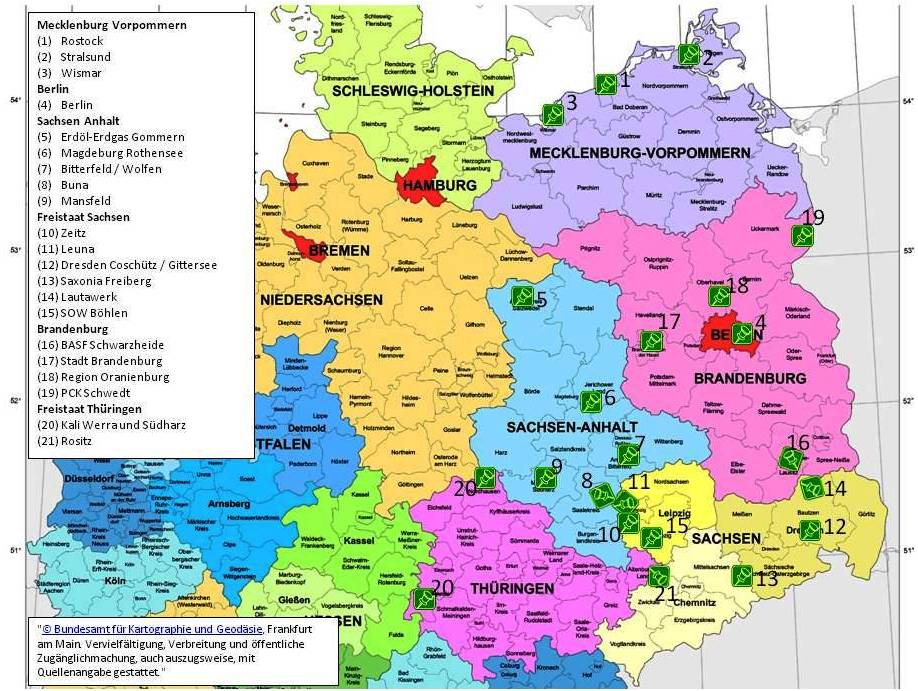
Locations of major projects
Source: Frauenstein

Under the unification treaty that was concluded with the former East Germany, the Federal Republic of Germany took possession of the former East Germany’s assets and assumed liability for its debts. As a result, the entirety of the former East Germany’s industrial sector and its contaminated sites also became the responsibility of the Federal Republic of Germany.

Table of contents

Large scale ecological projects

In December of 1992, the federal government and the Treuhandanstalt (THA, Fiduciar Agency) concluded an administrative agreement with the regional states of Berlin, Brandenburg, Mecklenburg-West Pomerania, Saxony, Saxony-Anhalt and Thuringia, concerning joint financing of contaminated-site remediation projects. The goal of the agreement was to eliminate site contamination as an impediment to investment, create jobs, and retain existing jobs. On request, the federal states exempted investors from legal responsibility for the costs attributable to environmental damage that occurred prior to 1 July 1990.

The federal government and the federal states agreed to undertake 21 large scale ecological projects, based on economic and environmental policy. These projects involved major industrial sites, potassium mining companies, shipyards, as well as large industrial regions containing numerous companies. All measures had to be green-lighted by both the federal government and the federal states. 

Between 1993 and 2011, more than €2.6 billion in refinancing was provided for hazard prevention measures, demolition measures and contamination related expenses for the large scale ecological projects (75 per cent funded by the federal government, 25 per cent funded by the federal states, after subtracting investor contributions), as well as for so called regular financing (60 per cent funded by the federal government, 40 per cent funded by the federal states, after subtracting investor contributions) (Source: BvS).

The federal government’s goal is to reach an agreement with the federal states concerning cost sharing for hazard prevention measures, and define and contractually stipulate (in conjunction with assignment of responsibility to the regional states) the federal government’s role in the required measures. The federal states of Thuringia, Saxony, Saxony-Anhalt and Mecklenburg-Western Pomerania reached a contractual agreement with the federal government and now decide independently on the type and scope of necessary measures.
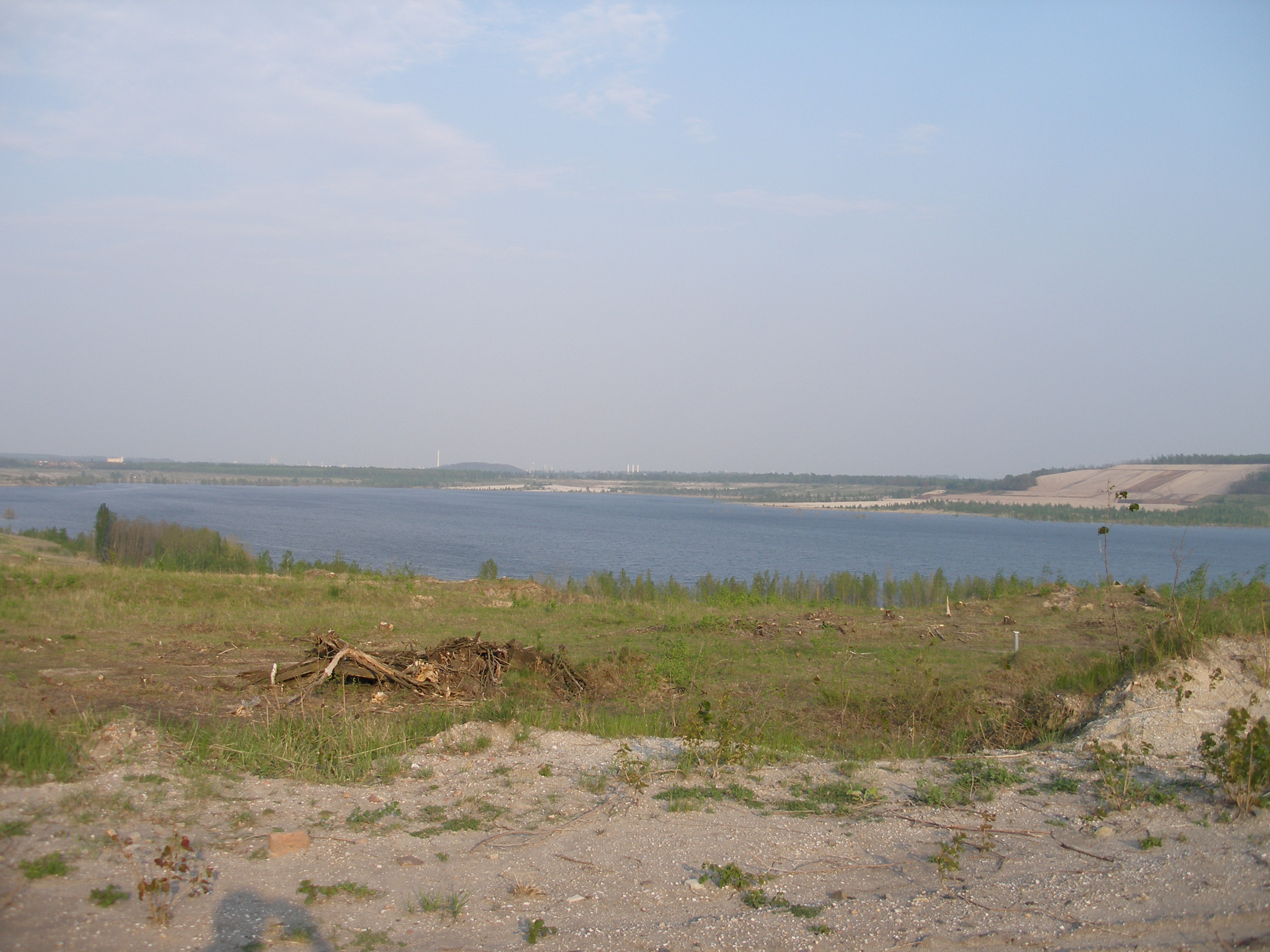
Brown coal remediation

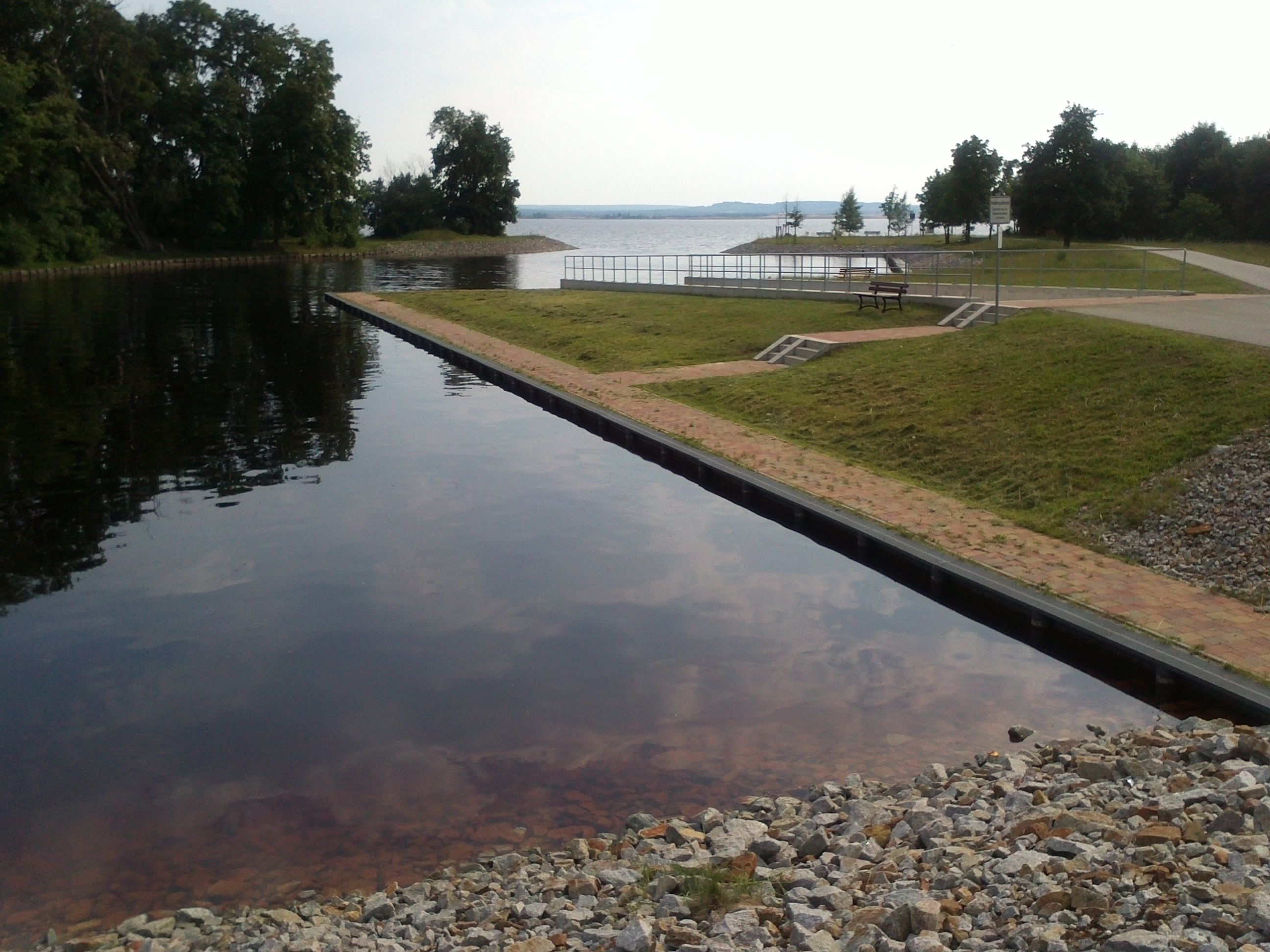
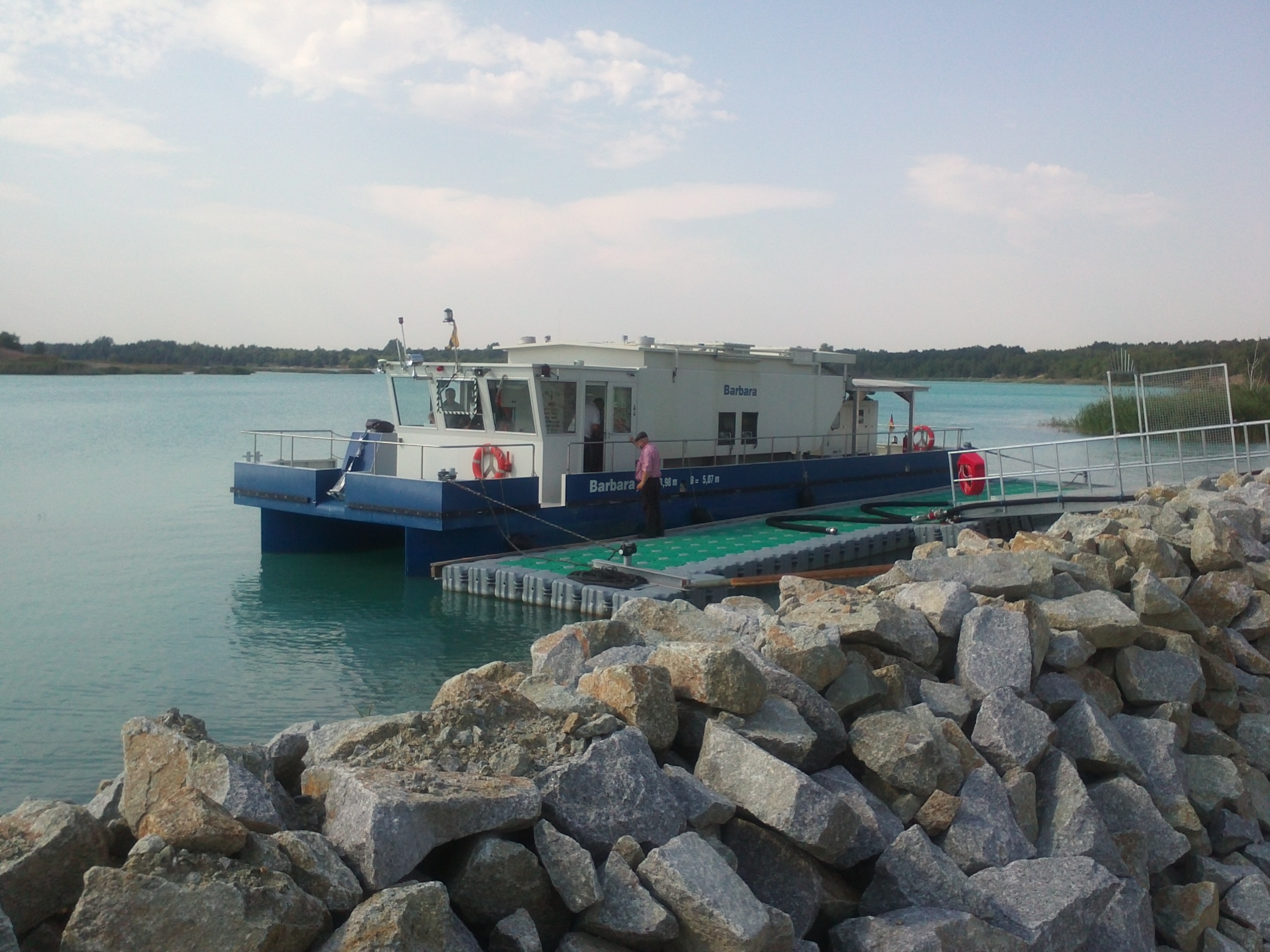
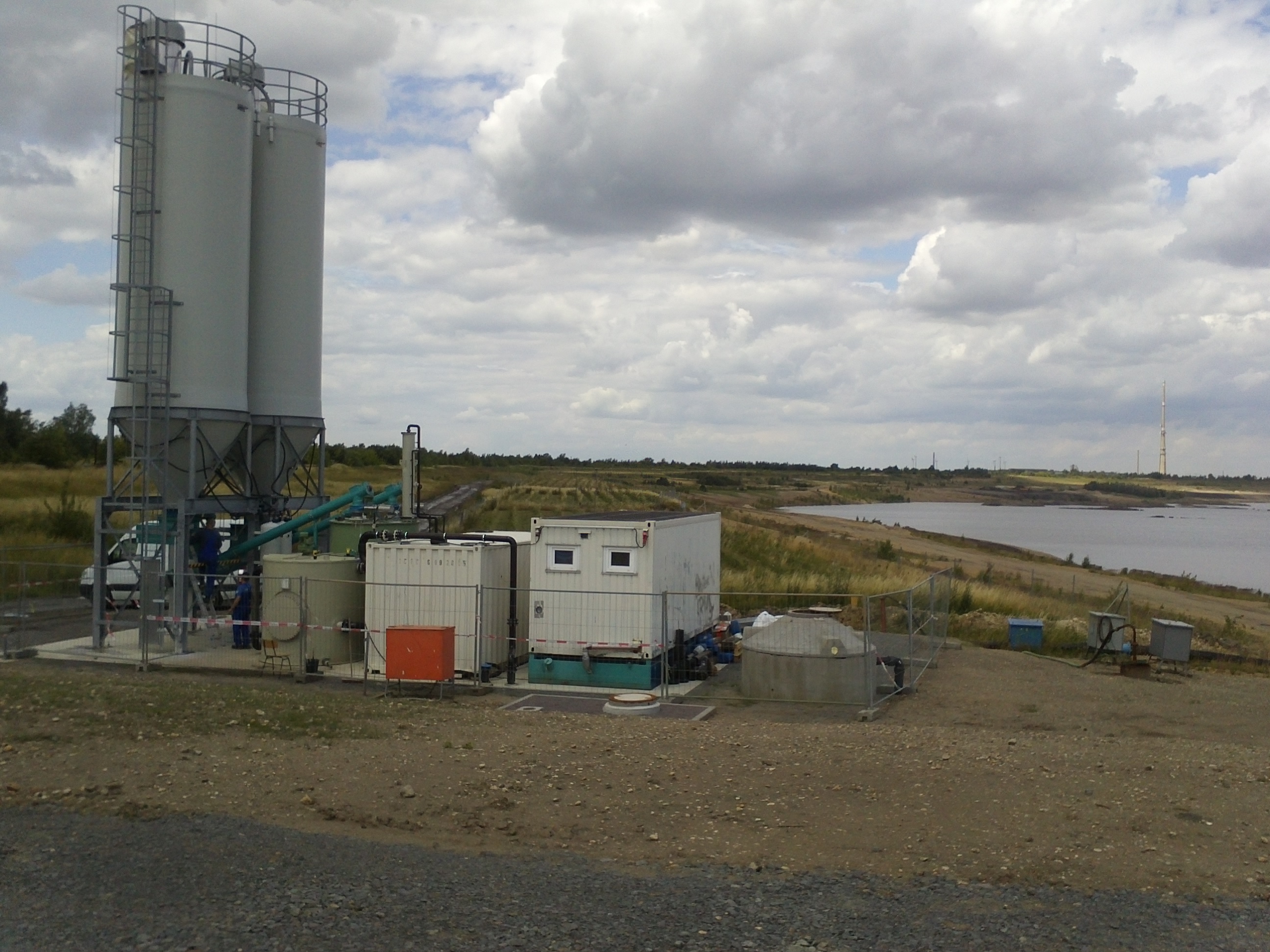
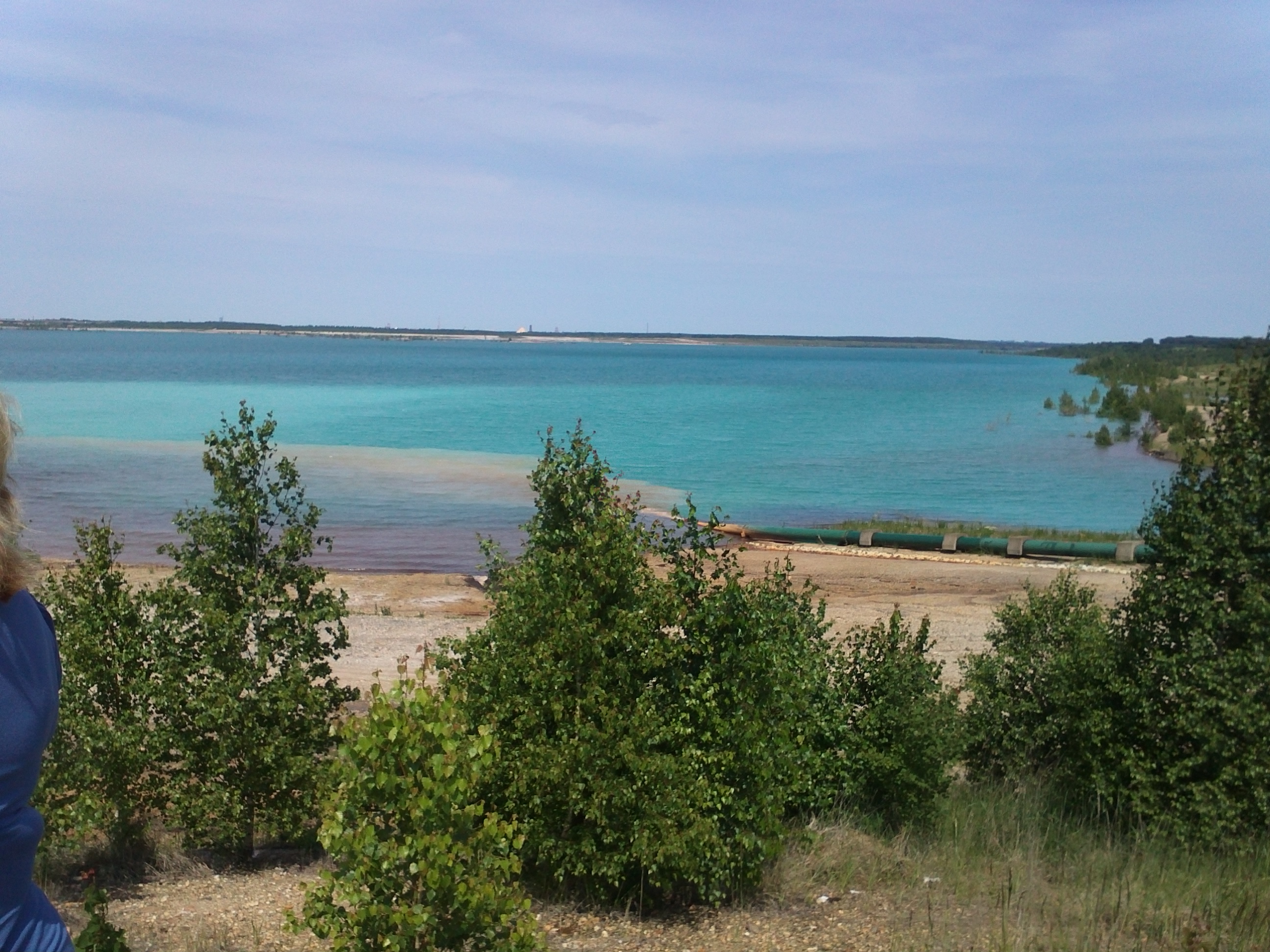
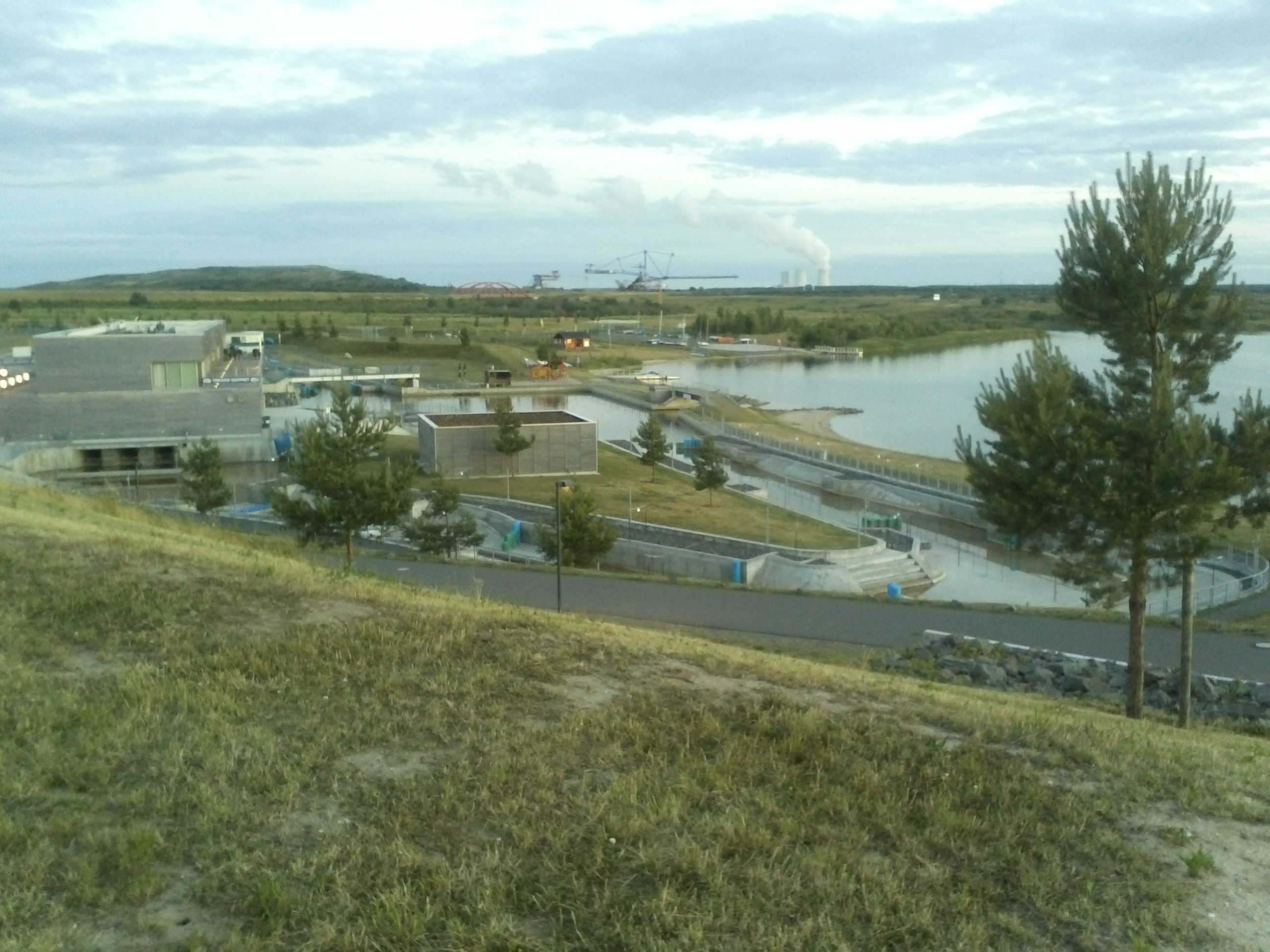
Brown-coal mine site cleanup is Germany’s largest interconnected environmental project. The relevant measures are determined by the federal government and the federal states of Brandenburg, Saxony, Saxony-Anhalt and Thuringia. Until 2020 more than €11 billion in federal and regional-state funds have been budgeted, predominantly for coal mine cleanup measures and extensive water management projects.

The main measures are as follows:

  • Termination of mining supervision through fulfillment of the tasks according to the final operating plan (elimination of hazards, establishment of the reusability permitted under planning law)
  • Restoration of a largely self-regulating water balance
  • Infrastructure development; permanently assigning the relevant tasks and responsibilities

Uranium mining remediation

By the end of 2025, 7.4 billion euros had been invested in the sustainable safeguarding of the former uranium ore mining region, for which the federal government had sole financial responsibility. In addition, the ongoing remediation of abandoned Wismut sites is financed in equal shares by the federal government and the Free State of Saxony. This will ensure the complete remediation. Project management organization is Wismut GmbH, a federal company. Wismut GmbH is obliged to award at least 50 percent of the available funds to external companies as public contracts. This is primarily intended to provide positive impetus for regional development.

Large-scale projects jointly managed by the federal and state governments

Berlin

Location: This project involves a nearly completely abandoned 35 square kilometer industrial area on the Spree river in southeast Berlin.

Historical background: Beginning with dawn of industrialization, in 1870, and until very recently, this area was one of the regional state of Berlin’s largest industrial regions. It attracted chemical and pharmaceutical companies, power companies, metallurgy and metalworking plants, electronics companies, engine manufacturers, and automakers. Many of East Germany’s major industrial concerns had to close down following reunification.

Hazard status: This entire industrial area is located in drinking water protection zone III, in the direct catchment area of three water treatment plants. A broad range of contaminants – the main ones being volatile halogenoalkanes, petroleum hydrocarbons, BTEX, phenols, cyanide, and heavy metals – causes local soil contamination and large scale groundwater contamination in the transfer zones to water purification plants. 

Further information is available from Senatsverwaltung für Stadtentwicklung und Umwelt.


The regional state of Brandenburg

PCK Schwedt

Location: This large scale project is located in Uckermark, in northeast Brandenburg, near the Oder river.

Historical background: Beginning in 1964, this 940 hectare area was the flagship site of the petrochemical conglomerate Schwedt. The company made petrochemical products at the site, as well as petroleum based fertilizers, and later briefly manufactured animal feed yeast there. Production waste was deposited at proprietary and non-proprietary sites on the company’s campus and in the surrounding area.

Hazard status: Three drinking water protection areas are located in the environs of the site, which exhibits high levels of soil contamination and extensive groundwater contamination from petroleum hydrocarbons, BTEX, naphthalene, heavy metals, ammonium salts and nitrate.


Oranienburg

Location: This large scale project encompasses numerous sites in the Oberhavel district that fall within the scope of the Oranienburg, Velten, Hennigsdorf nad Birkenwerder / Hohen Neuendorf satellite projects. Most of the sites are located in receiving water courses (Havel river, branch junction canals) and in the catchment areas of water purification plants.

Historical background: The area is one of eastern Germany’s oldest industrial regions; it was at one time home to myriad industrial activities, including foundries, arms manufacturers, industrial-machinery plants, chemical factories, construction companies, wood processing plants, pharmaceutical companies, and food processing plants. The area was heavily bombarded during World War II.

Hazard status: Most of the sites are located in the drinking water protection zones of two major water purification plants. Many of the former companies had their own water supply facilities, some of which are still in operation. Extensive soil and groundwater pollution, as well as local contamination, have been detected, mainly from petroleum hydrocarbons, BTEX, chlorinated hydrocarbons, polycyclic aromatic hydrocarbons, and phenols. The aquifers located in the project area are threatened by contaminant inputs.


BASF Schwarzheide

Location: This large scale project, which extends over a 230 hectare area, is located in the southeastern portion of the regional state of Brandenburg,

Historical background: Initially, petroleum products were made from brown coal; later on, petroleum was refined and herbicides were manufactured at the site.

Hazard status: High levels of soil and groundwater contamination from petroleum hydrocarbons, phenol, BTEX, chlorinated hydrocarbons, polycyclic aromatic hydrocarbons, and heavy metals. High hazard level owing to a proprietary pond waste dump.


Brandenburg an der Havel

Location: This large project originally encompassed 94 sites with a total surface area of 7.8 square kilometers, located both within the city limits and on the city’s outskirts, mainly in the environs of lakes and canals.

Historical background: Industrial activities began here over a century ago, when metallurgy, metalworking and arms factories opened, along with energy and gas utilities, and construction, transport, chemical and light-industry facilities. Brandenburg an der Havel was an important metallurgy centre in the former East Germany.

Hazard status: The area contains a large scale water treatment plant and a number of smaller ones, along with their drinking water abstraction zones. Most of the groundwater that is abstracted for drinking water stems from bank filtrate. 
The scope of contamination varies greatly from one site to another. The main industrial contaminants are volatile chlorinated hydrocarbons, BTEX, petroleum hydrocarbons, polycyclic aromatic hydrocarbons, phenol and heavy metals, all of which have mainly caused local soil and groundwater contamination.

Further information is available from Landesamt für Umwelt des Landes Brandenburg.

Associated content

Publications

Tags

Short link: https://www.uba.de/n11269en