Batteries in Germany
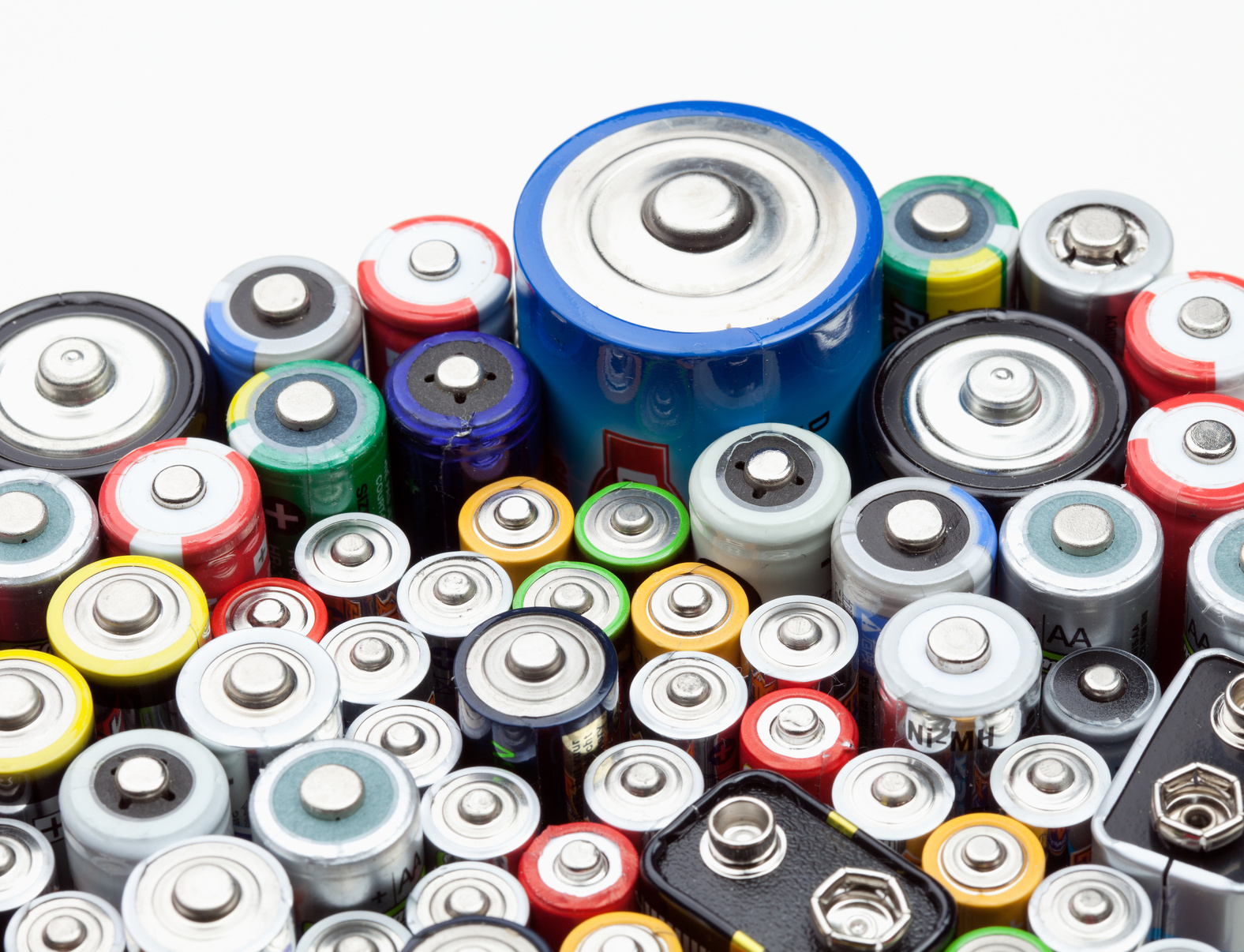
In 2012 43,549 tonnes of portable batteries – more than 1.5 billion units – were placed on the market in Germany. This works out to around 20 batteries per capita and year.
The BattG-Melderegister
In the UBA’s BattG-Melderegister, battery manufacturers and importers provide information concerning their market participation electronically. Use of this tool (currently available in German only) is free of charge. A part of the BattG-Melderegister data, inter alia information on manufacturers’ obligations to take used batteries back, is available from the BattG-Melderegister website under “Einsicht in das Melderegister”. The purpose of the BattG-Melderegister is to ensure that manufacturers meet their obligations to take back and dispose of the waste batteries. Violation of the Batteriegesetz-Melderegister reporting obligation is an administrative offence.
Taking back waste batteries
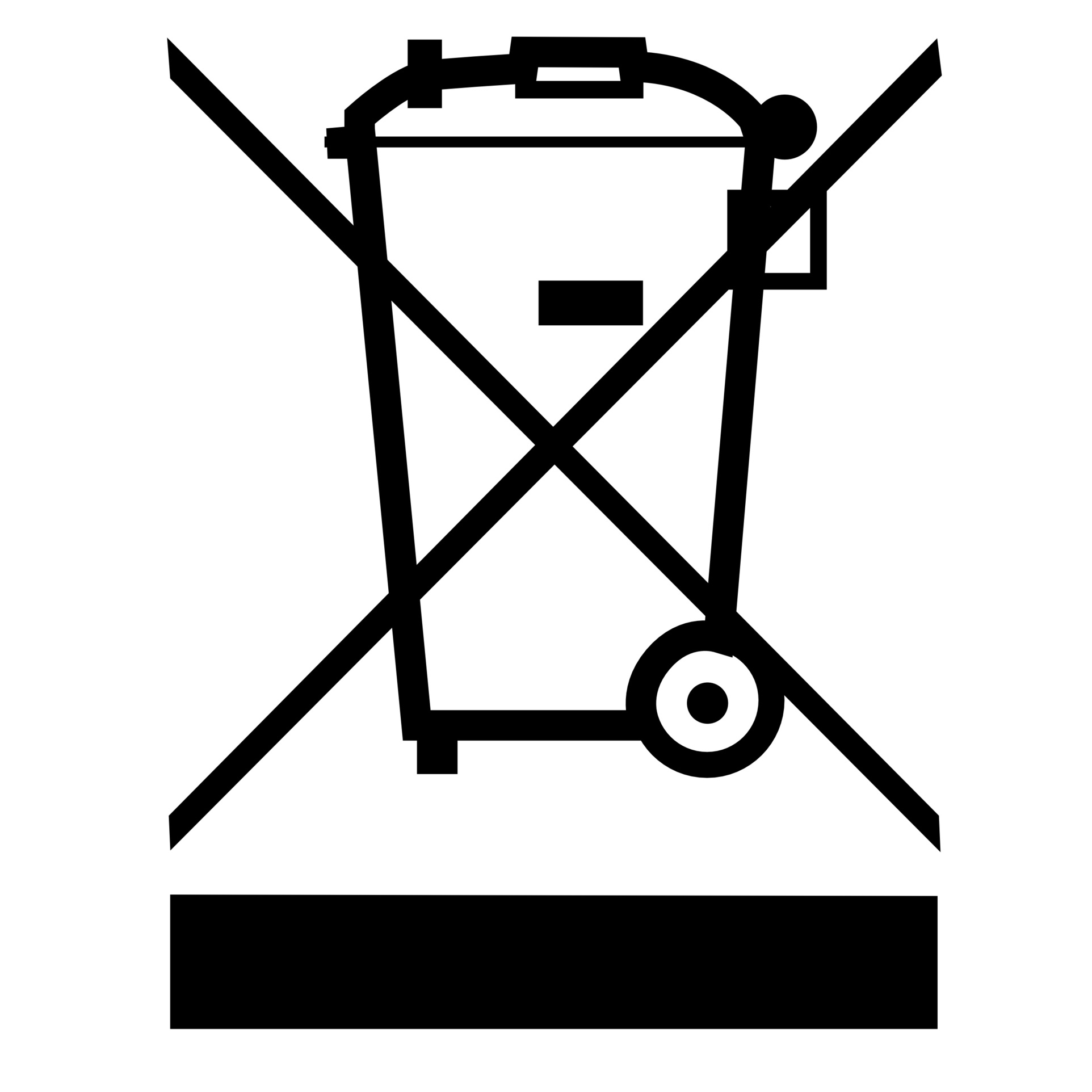
Consumers are required by law to return all waste batteries to either a store or another collection point for waste batteries. Waste batteries should never be placed in the household garbage, or anywhere in the environment. This is indicated by the symbol comprising a crossed-out wheeled bin that appears on batteries and/or battery packaging. In the interest of facilitating waste battery collection, manufacturers of portable batteries have established a joint collection known as the Gemeinsames Rücknahmesystem GRS Batterien (known as Stiftung Gemeinsames Rücknahmesystem Batterien). There are also other producer specific collection schemes for waste batteries: CCR REBAT, ÖcoReCell, ERP Deutschland and ECOBAT.
Retailers are required by law to take back waste batteries free of charge. In Germany, collection boxes in which consumers can deposit waste portable batteries are available at all stores that sell portable batteries, e.g. supermarket, discounter, drugstore or construction market. Some municipalities take waste batteries back, e.g. via vehicles that make regular collections of hazardous waste, or recycling centres. Consumers can return waste automotive batteries to distributors, participating municipal collection centres, and treatment facilities for end-of-life vehicles (with the battery still installed in the vehicle). A automotive batteries are subject to a €7.50 return deposit. Industrial batteries such as pedelec or electric bicycle motor battery packs can be returned to the retailer.
Battery collection rates
Recycling schemes for portable waste batteries are required by law to achieve the following collection rates: 35 percent in 2012, 40 percent in 2014 and 45 percent in 2016. The nationwide portable battery collection rate in Germany was 42.1 percent in 2012, 1.1 percent lower than the prior year. 43.549 tonnes of portable batteries were placed on the market in Germany in 2012. In the same year 18,165 tonnes of such batteries were returned. In order to meet the mandated collection rates over the long term and increase the tonnage of returned waste batteries, functioning collection schemes are needed. Also the motivation of consumers to bring waste batteries back to the collection schemes is decisive for a high collection rate.
Legal framework
The 2006 EU Batteries Directive aims to reduce the environmental impact of waste batteries. The Directive was transposed into German law via the Batteries Act (BattG) in 2009, which superseded the 1998 Batterieverordnung (Battery Ordinance). The Batteries Act (BattG) applies to all types of batteries and accumulators (also referred to as accumulators or secondary batteries), i.e. automotive batteries, industrial batteries and rechargeable and non-rechargeable portable batteries. The Batteries Act (BattG) requires manufacturers and importers to take back waste batteries as a matter of extended producer responsibility. For example, this is done for portable batteries through the establishment of collection schemes that require manufacturers to properly recycle returned waste batteries and dispose of non-recyclable batteries. The law places restrictions on the use of mercury and cadmium in new batteries.