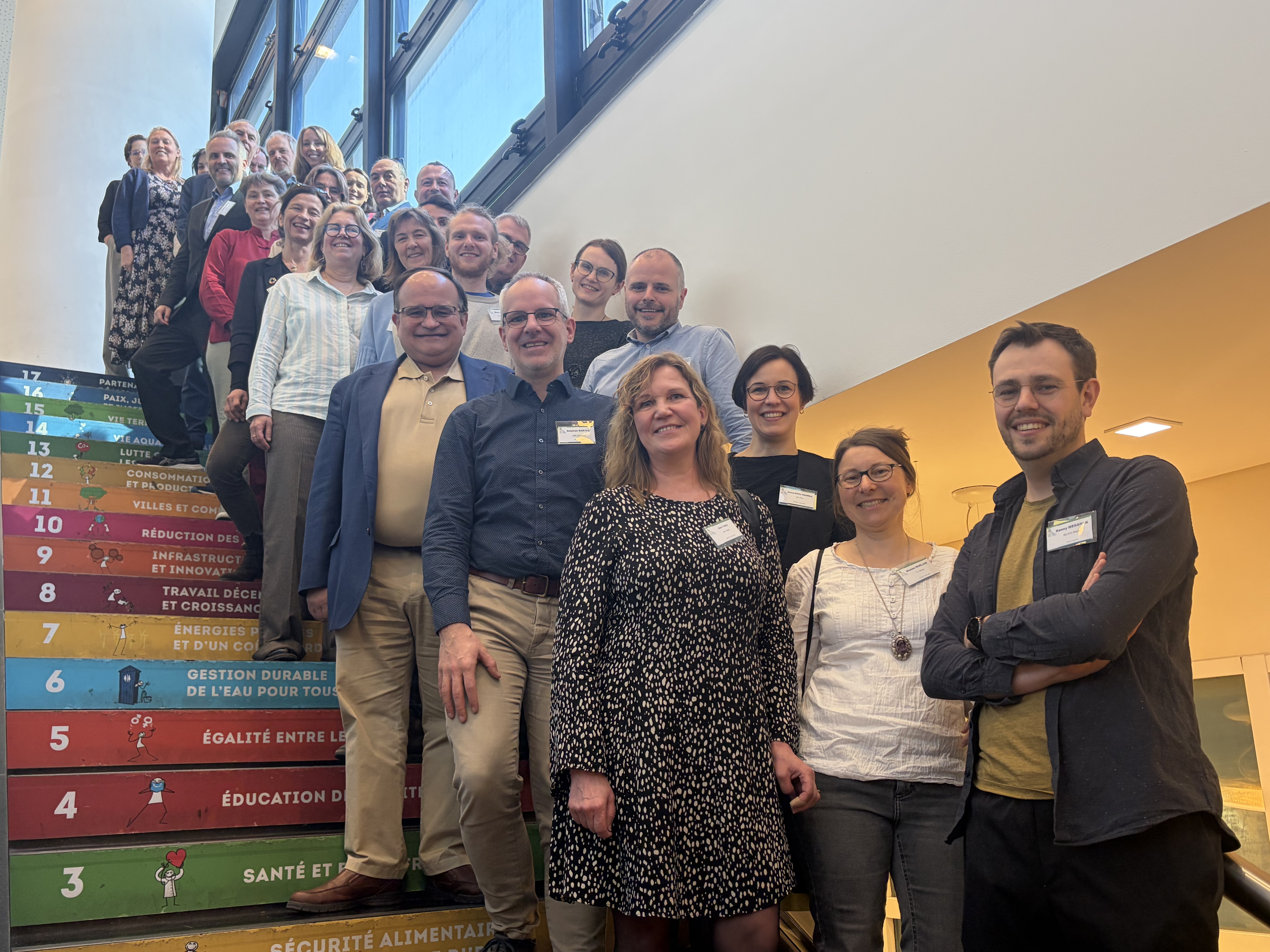
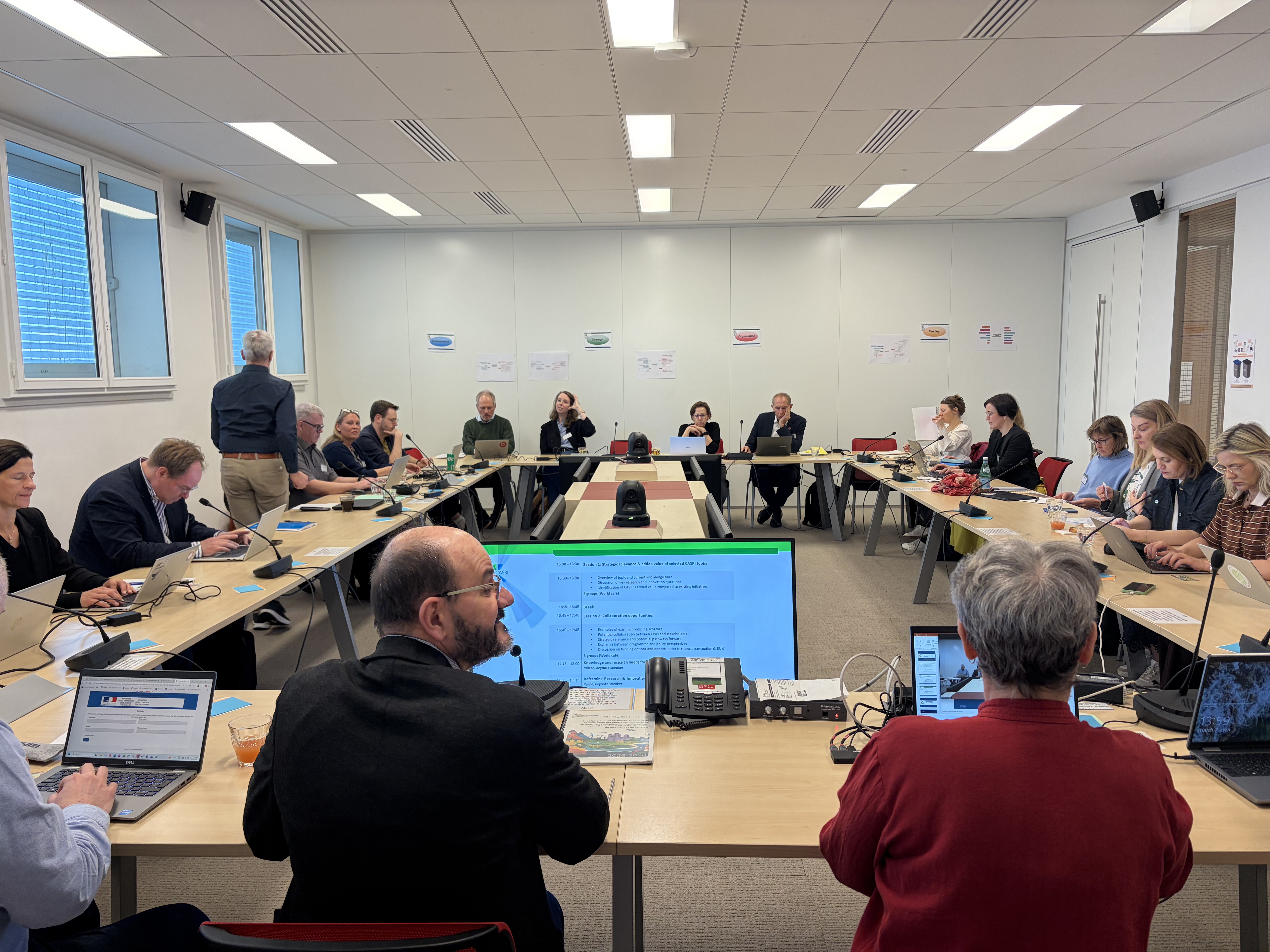
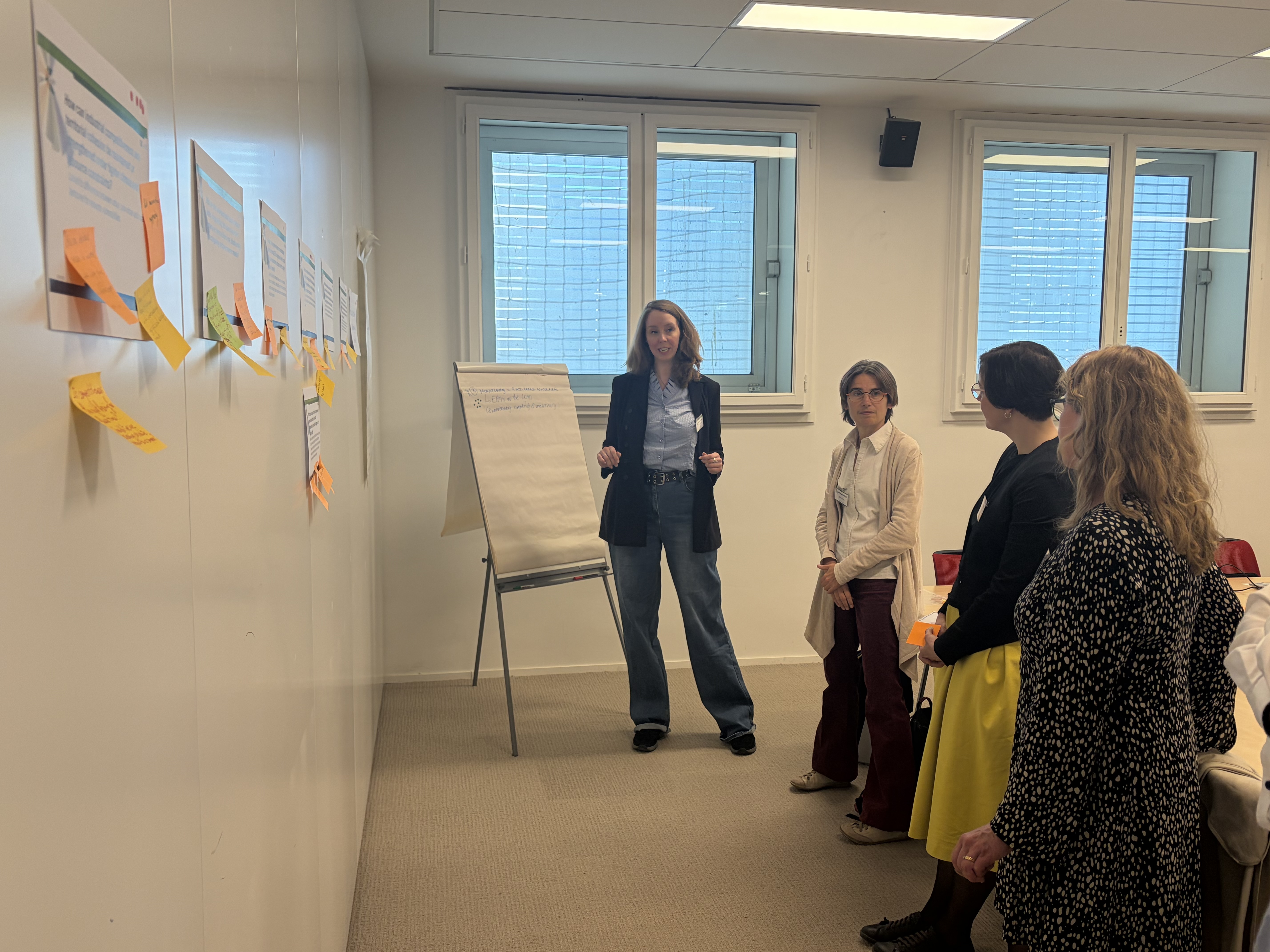
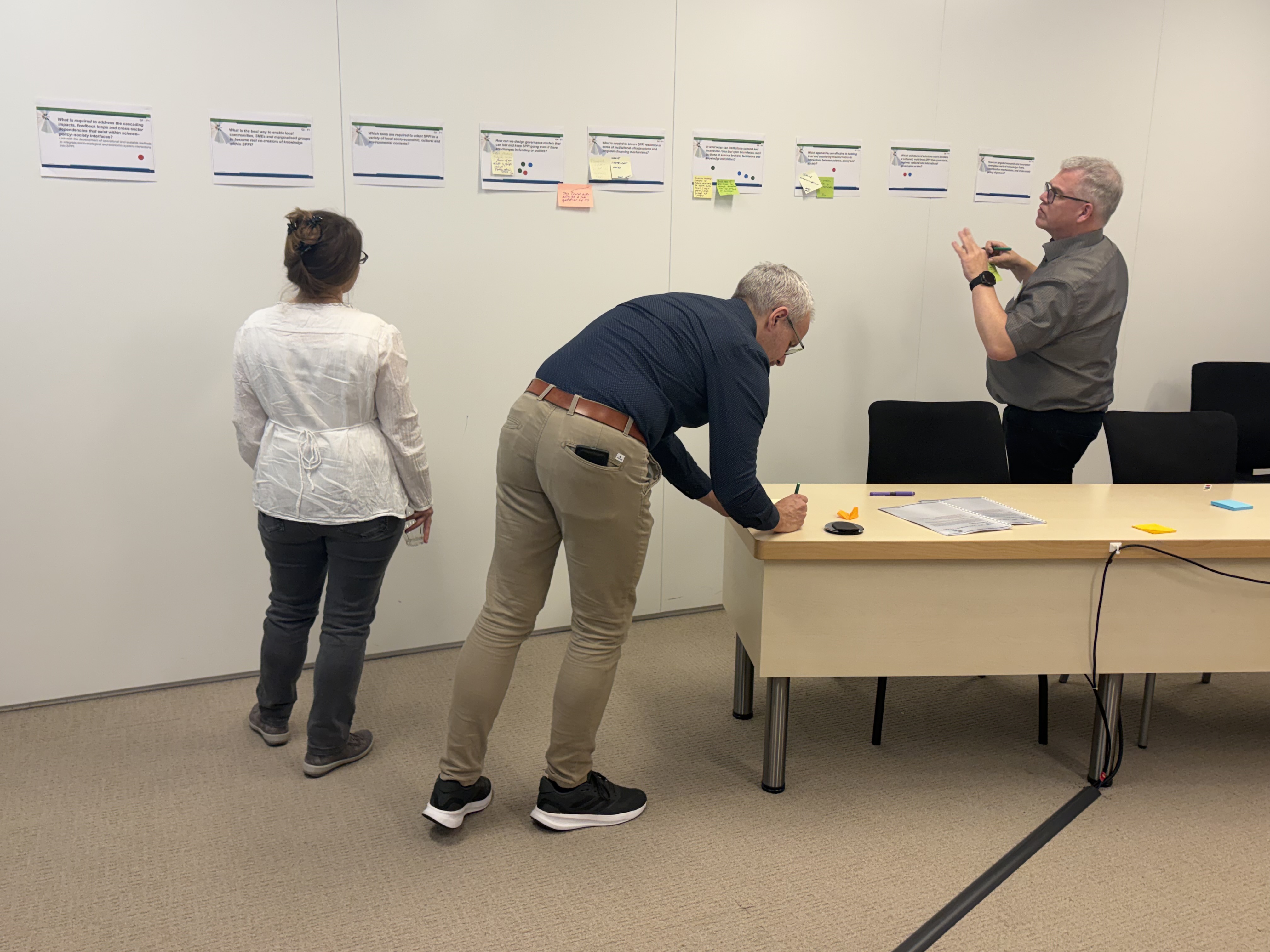
The CASRI Paris Workshop (7–8 April), hosted at the Ministry of Ecological Transition and Territorial Cohesion in La Défense, marked an important step in the development of the Strategic Research & Innovation Agenda (SRIA) for environmental sustainability.
Building on previous co-creation phases - including an online workshop last December 2025 and a follow-up meeting in January 2026 - the Paris workshop moved the process forward from broad topic exploration towards strategic positioning and potential pathways for implementation. Earlier steps had identified 20 shared transnational challenges to be addressed by the SRIA, with varying levels of maturity and stakeholder interest. The Paris workshop focused on advancing a smaller set of topics where CASRI could provide clear added value.
Sharpening the agenda: four key topics in the focus
The workshop participants selected four topics for in-depth discussion: Security of Resource Supply, Effectiveness of Climate Policy, Social Vulnerabilities of Multi-scaled Climate Adaptation, and Inclusive Science-Policy-Practice Interface (SPPI).
These topics reflect key characteristics of the CASRI approach: a systemic perspective on environmental challenges, strong links to public policy and practical implementation, and the need for transnational cooperation across governance levels and disciplines.
The workshop brought together 32 participants from across Europe, including representatives of Environmental Protection Agencies (EPAs), research organisations, funders and policy makers from Belgium, Bulgaria, Finland, France, Germany, Italy, Montenegro, the Netherlands, Slovakia, Switzerland and Ireland. This diverse composition enabled exchange across roles that are often only loosely connected in practice.
Positioning in a changing European R&I landscape
The workshop was framed by contributions from the European Commission and leading experts. Sophie De Vinck (DG RTD) provided insight into the evolving context of the next Framework Programme, underlying the importance of aligning sustainability research with broader European priorities.
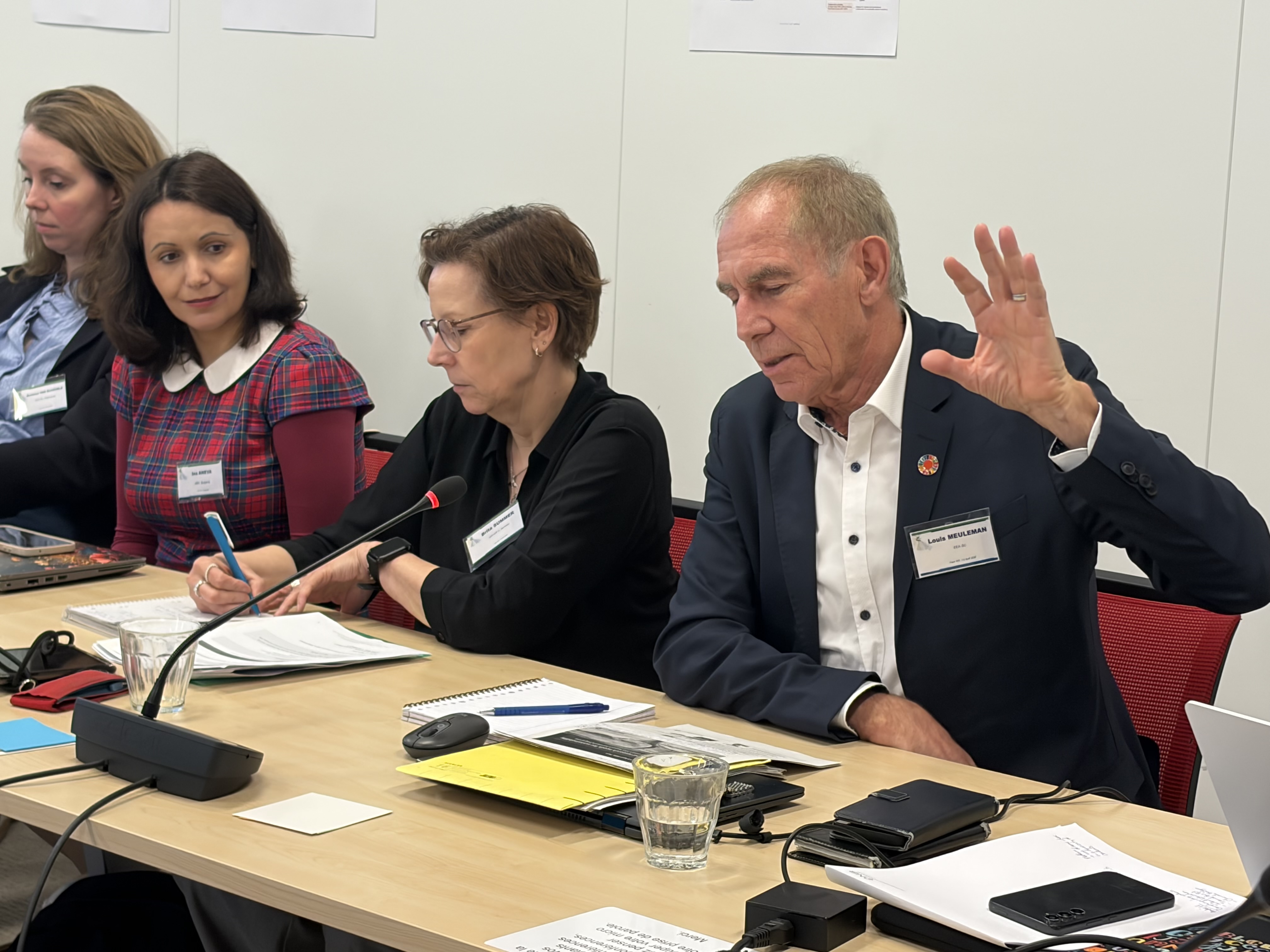
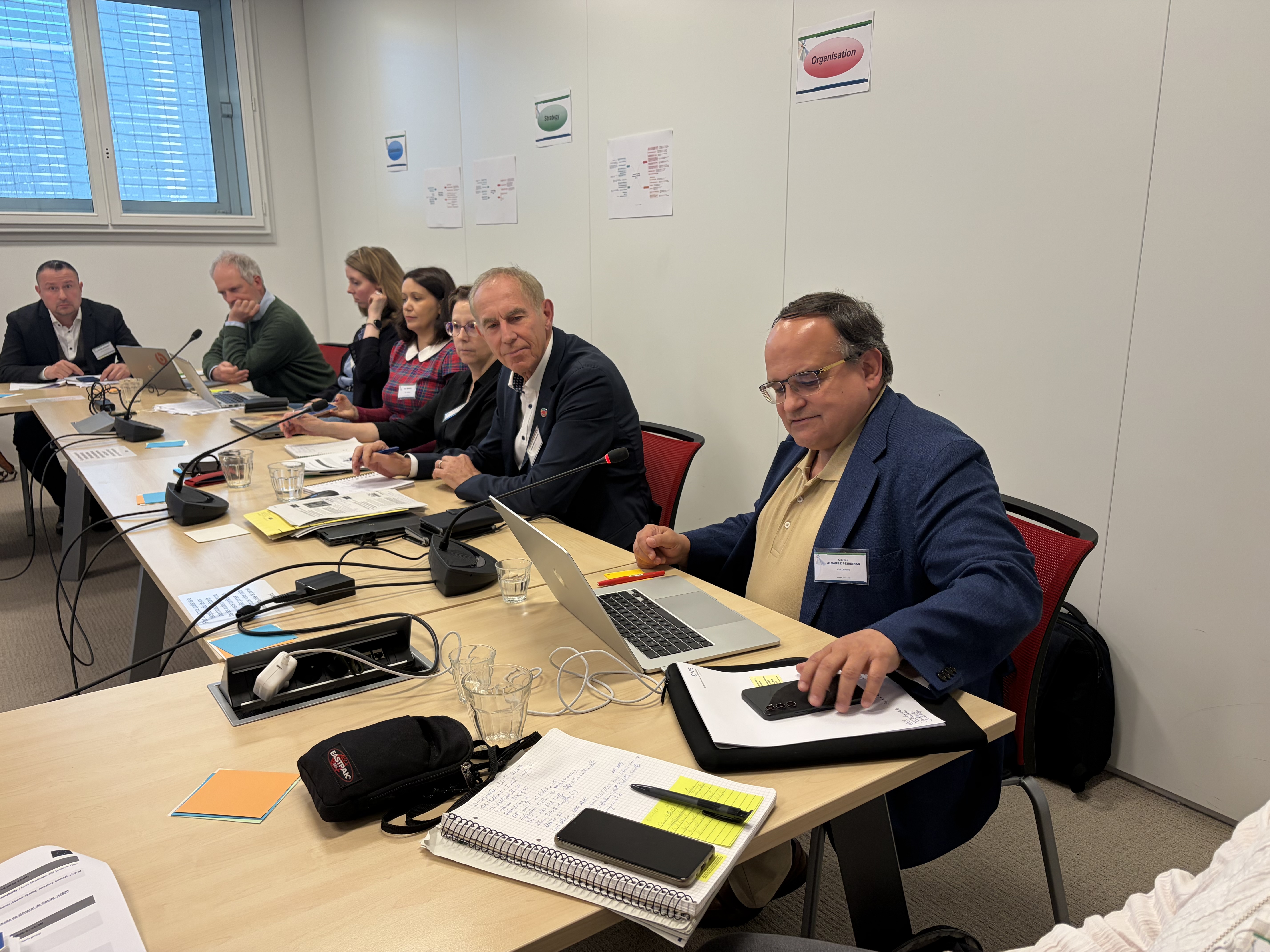
Keynote contributions by Louis Meuleman (European Environment Agency Scientific Committee) and by Carlos Álvarez Pereira (Club of Rome) further emphasized the need to rethink how research and innovation contribute to sustainability transitions—highlighting the importance of systemic approaches, social sciences, and stronger links between knowledge and action. Against this background, the workshop discussions consistently pointed to a central challenge: the need to move beyond identifying knowledge gaps towards enabling implementation, coordination and impact.
From topic exploration to strategic exchange
Working sessions were organised in small groups allowing participants to engage with more than one topic and to bring different perspectives into the discussions.
The exchange started from a shared question: Where does each topic create added value within the existing European and national R&I landscape? From there, discussions explored existing gaps and overlaps in current R&I activities, opportunities for collaboration between EPAs and stakeholders, and potential roles for CASRI in supporting actions. The sessions also addressed possible forms of cooperation, including research programming, knowledge development and coordinated actions across institutions.
Key insights from the thematic discussions
Across all four topics, discussions confirmed both their relevance and their complexity, while also pointing to areas where further work is needed to translate them into actionable agendas.
Security of Resource Supply: Discussions highlighted the need to better integrate environmental sustainability into current debates on competitiveness and strategic autonomy. Participants emphasized the importance of linking resource security to circular economy approaches, territorial resilience, and cross-border value chains. At the same time, the need for improved data, monitoring tools and coordination across governance levels was identified as a key condition for progress.
Effectiveness of Climate Policy: While this area benefits from a well-developed policy landscape, participants noted persistent implementation gaps. Discussions focused on how to strengthen policy mixes, improve evaluation of policy effectiveness, and better integrate social science perspectives. The need to move from established frameworks to measurable impact was a recurring point.
Inclusive Science-Policy-Practice Interface (SPPI): This topic emerged as a cross-cutting priority. Participants highlighted limitations of linear knowledge transfer models and stressed the need for more interactive, inclusive and trust-based approaches. Challenges such as misinformation, fragmented governance and limited co-creation were discussed. EPAs were seen as playing a key role as trusted intermediaries in facilitating dialogue and translating knowledge into practice.
Social Vulnerabilities of Climate Adaptation: Discussed in plenary on the second day, this topic brought a strong focus on justice and societal dimensions. Participants emphasized the need to better understand distributional effects of adaptation policies, improve indicators for vulnerable groups, and strengthen participation and multi-level governance. The discussion underlined that adaptation is not only a technical challenge, but also a social and political one.
Cross-cutting messages: from knowledge to action
Beyond individual topics, several transversal messages emerged clearly:
- Implementation gap: While knowledge and research are abundant, translating them into action remains a major challenge.
- Need for alignment: Stronger links between European, national and regional priorities are essential for uptake.
- Role of EPAs: EPAs can play a strategic role as connectors between science, policy and implementation.
- Importance of communication: Clear, accessible and targeted communication is critical to ensure uptake by decision-makers and stakeholders.
- Demand for concreteness: Participants highlighted the need to further sharpen topics into more specific and actionable propositions.
While the workshop confirmed strong commitment and relevance, it also showed that further work is needed to move from strategic discussions to operational pathways.
Cross-fertilisation sessions connected the different topics and started helping identify possible directions for further collaboration and future funding. The discussion pointed to the need to strengthen synergies across initiatives, develop platforms for collaboration and peer learning, looking beyond the immediate outcomes of the workshop.
Towards scaling and implementation
The discussions also pointed towards possible next steps for CASRI.
Participants identified the potential for CASRI to evolve beyond a coordination exercise into a more structured platform for collaboration, supporting:
- exchange between EPAs, funders and policy actors
- alignment of research priorities across levels
- joint contributions to European processes
- and the development of partnerships and initiatives around key topics
At the same time, it was recognized that for such a role to materialise, CASRI outputs will need to be further refined, clearly positioned within the existing R&I landscape, and supported by a strong value proposition for stakeholders.
The outcomes of the Paris workshop will feed into the further development and pre-implementation of the CASRI SRIA. More broadly, they provide a basis for strengthening the role of environmental sustainability within the European research and innovation landscape.
The workshop confirmed that CASRI has already created a strong foundation—bringing together the right actors, identifying shared priorities, and fostering strategic dialogue. The next phase will be critical in leveraging this foundation into concrete contributions, stronger alignment, and visible impact in future research and innovation initiatives.