
How Energy Disclosure in the EU could be modernized
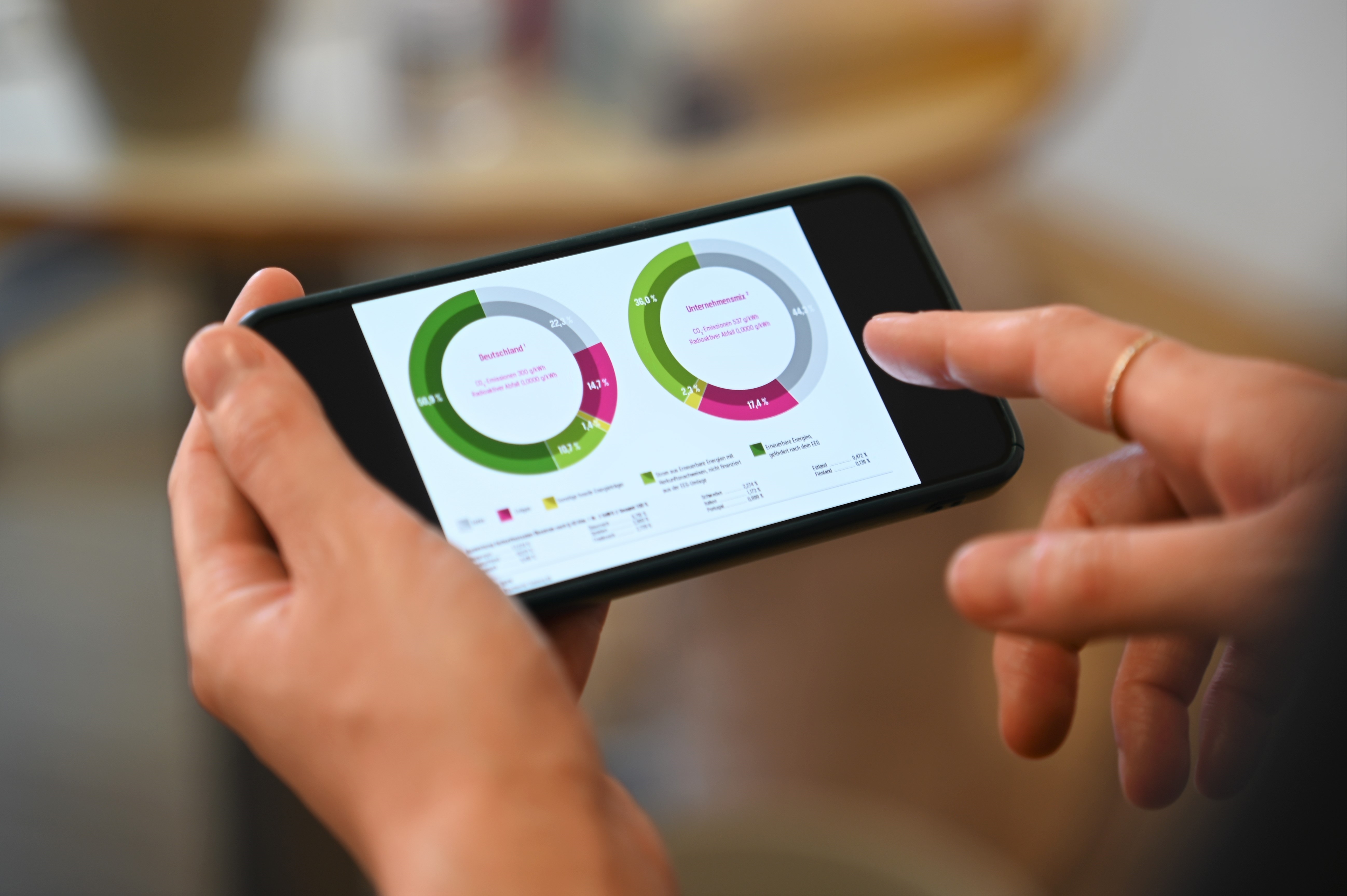
Energy Disclosure ensures market transparency and enables consumers to make informed purchasing decisions. A study commissioned by the UBA has developed proposals on how energy disclosure for electricity, gas, hydrogen, heating, and cooling could be reformed in the EU.
Disclosing the origin of renewable energy is a key instrument of modern energy policy. In addition to its primary purpose—transparency and consumer protection—it can also serve as a strategic tool for achieving overarching energy policy goals.
The research project was commissioned by the German Environment Agency (UBA) and examined and systematically evaluated established and innovative disclosure systems in Europe. The focus was on the benefits of energy disclosure for various stakeholder groups: private households, institutional consumers, plant operators, investors, and society as a whole. Beyond this assessment, the study identified innovative approaches to unlock further potential in energy disclosure systems.
The contractors were Oeko-Institut Consult GmbH, Enunda BV, and HIR Hamburg Institut Research gGmbH.
Current State of Energy Diclosure in Europe: Significant Differences Among Energy Sources
While the disclosure of electricity and the associated regulatory oversight are already well established, the corresponding systems for gas, hydrogen, and heating and cooling remain underdeveloped and inconsistent across member states.
Gas disclosure presents a particular challenge: Currently, several tracking systems exist in parallel—for accounting toward policy targets, for consumer labeling, and others for subsidy programs and quota schemes. These systems should be harmonized to avoid double counting and reduce complexity for both market participants and regulatory authorities.
The benefits of energy disclosure for different target groups have been examined in detail. Transparent disclosure enables consumers to immediately understand how their consumption decisions regarding renewable energy contribute to the shared goals of the European energy transition. This improved information base would be particularly effective for households and society as a whole: Citizens could specifically choose energy providers offering products that align with their desire to have a positive impact on the energy transition. However, existing disclosure systems currently provide little insight into the concrete effects of individual energy consumption. To improve this, the following aspects should be incorporated more fully into energy disclosure:
- Additionality: Does the energy product actually ensure that there is greater demand for renewable energy?
- Temporal correlation between generation and consumption
- Improved transparency regarding the geographic origin of the energy
- Sustainability certification for biomass and hydrogen
Opportunities for improving European energy disclosure
The study identifies significant opportunities for further developing existing disclosure systems:
- Applying best practices that have already proven effective in individual countries to other countries
- Implementing scientifically sound proposals from the professional literature
- Strengthening geographical and temporal correlation requirements
- Strategically linking disclosure regulations and accounting systems for policy targets
- Automating and digitizing oversight and verification processes
- Expanding the data contained in guarantees of origin, for example: contract-related information, recorded emission quantities, evidence of compliance with sustainability criteria
- Integration of information on additionality directly into consumer disclosure
Prerequisites for the successful further development of the European energy disclosure system
A clear, unified plan is needed for the successful further development of a European energy disclosure system.
Implementation at the EU level must be systematically linked to complementary instruments: Achieving the EU’s climate goals is supported by strengthening the systemic role of energy disclosure and integrating it with other energy policy instruments.
The study recommends bringing together policymakers, national disclosure bodies, system developers, regulatory bodies, and key stakeholders within a central, structured dialogue platform to set priorities and resolve conflicting objectives in the further development of the systems.
The research report (in English with a German summary) is available for download on the website of the German Environment Agency (UBA).