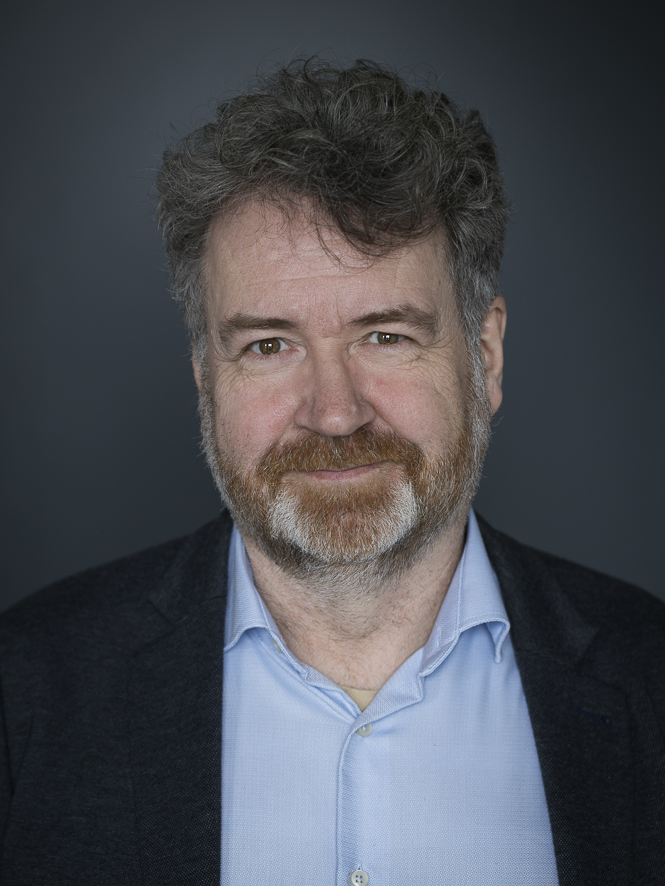
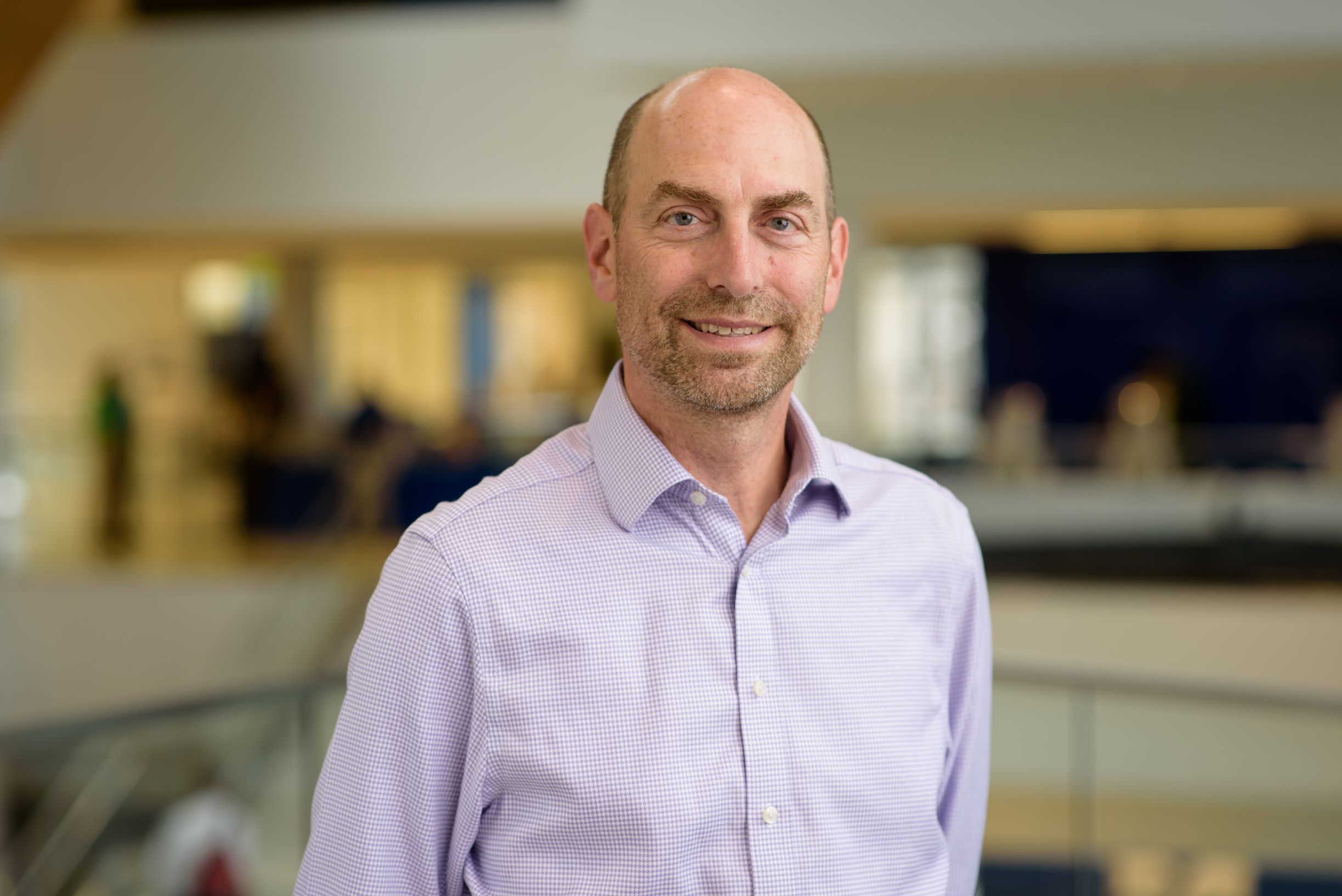
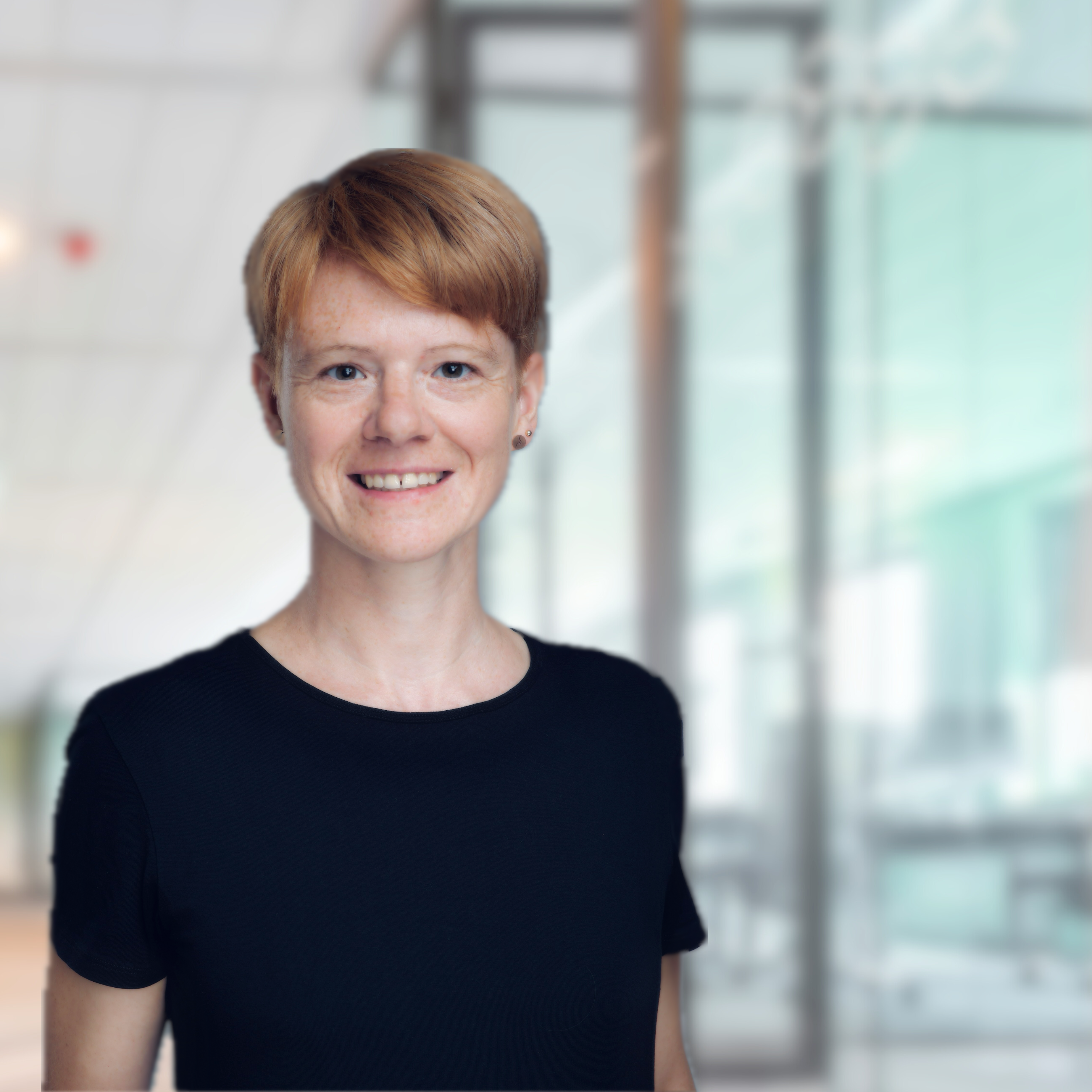
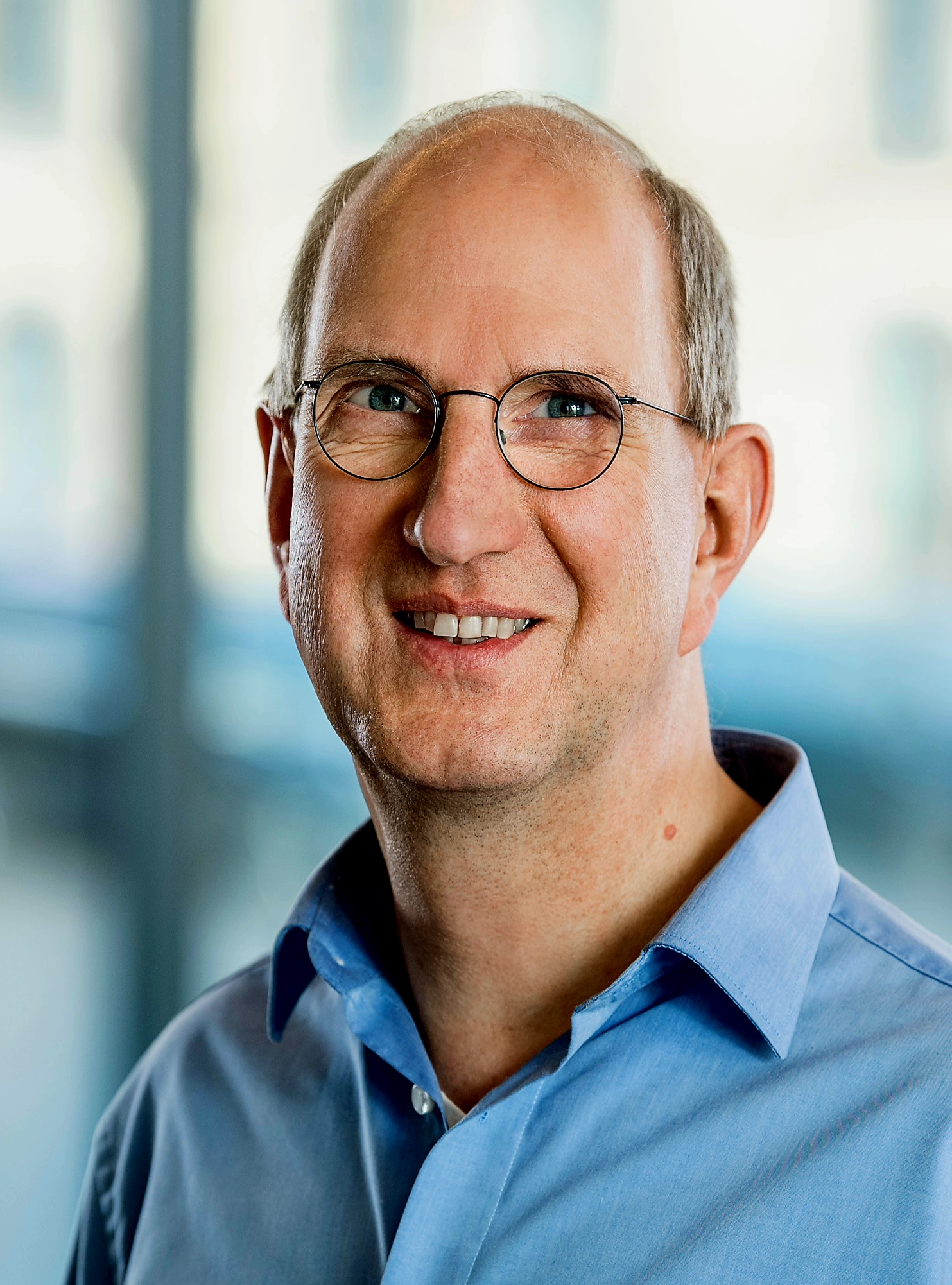
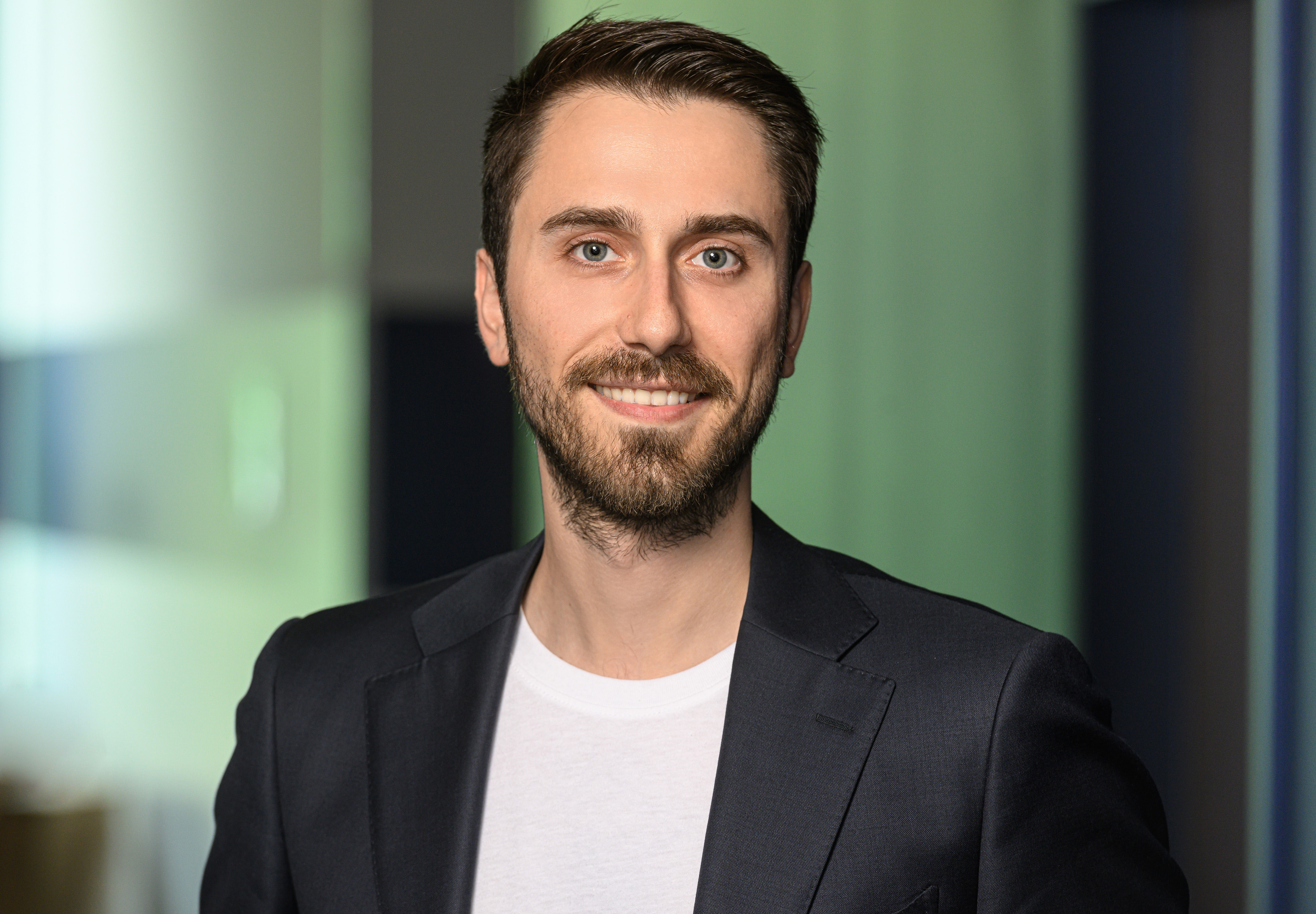
Dr Erik Schmolz is a German biologist, zoologist, and environmental scientist specializing in chemical safety, ecotoxicology, pest biology, and biocide regulation. He is currently Head of Division IV (Chemical Safety) at the German Environment Agency (UBA). His expertise includes Environmental regulation and policy, Chemical safety and environmental risk assessment, Biocides and pest control, Insect biology and zoology. He holds a PhD in biology and a lecturer at the Free University of Berlin.
Dr Patrick ten Brink is the Secretary General of the EEB since July 2022, and before that EU Policy Director. He provides political leadership across all the organization's policy areas, oversees the daily management and fundraising of the association. He was the Director of IEEP-Brussels and head of its Green Economy Programme. He has published widely, with books on environmental harmful subsidies, the multiple values of nature, and on voluntary environmental agreements, as well as articles on better regulation, the benefits of EU law, sustainable development, biodiversity policy, transport policy, marine litter, ecological tax reform, green economy, eco-industries and environmental employment, the costs of climate mitigation and EU enlargement.
Prof Dr Joel Tickner (Professor of Public Health, University of Massachusetts Lowell) leads the Sustainable Chemistry Catalyst at the Lowell Center for Sustainable Production, UMass Lowell where his group works on research, analysis, and strategy to make chemistry safer for people and the planet. His research led to the establishment and growth of the field of chemical alternatives assessment and the first professional society for the field. He also founded and directs Change Chemistry (formerly (GC3), a powerful value chain network of more than 100 companies, dedicated to accelerating the commercialization and adoption of green and sustainable chemistry.
Dr Regina Weber is a political scientist specialising in the democratic and socially sustainable governance of industrial transformation. For more than a decade, she has worked at the intersection of research and policy, focusing on structural change, industrial transition and its implications for workers, regions and political institutions. Since 2024, she has led the Industrial Transformation programme at the Foundation for Labour and Environment (Stiftung Arbeit und Umwelt), the sustainability think tank of the German Mining, Chemical and Energy Industrial Union (IGBCE), with a particular focus on the transformation of the chemical industry towards climate neutrality.
Markus Große-Ophoff studied chemistry in Aachen and Bristol and earned his Ph.D. in macromolecular chemistry. He teaches at Osnabrück University of Applied Sciences as an honorary professor in the field of sustainability communication. In addition, he is the spokesperson for the Environmental Chemicals/Toxicology Working Group on the Scientific Advisory Board of Friends of the Earth Germany, chair of the GDCh’s PFAS Think Tank, and director of the Center for Environmental Communication at the German Federal Environmental Foundation.
Dr Manuel Häußler studied chemistry at the University of Konstanz, where he completed his PhD in 2021 on novel, fully recyclable plastics, referred to as “Plastic 2.0.” This work was awarded the German Thesis Award in 2022. Based on his doctoral thesis, he founded the company aevoloop GmbH in 2024, which now employs 25 people in Leipzig and is scaling the technology to industrial quantities. Alongside his role as co-founder and CSO of aevoloop, he serves as a research group leader at the Max Planck Institute of Colloids and Interfaces. As a founder and researcher, his goal is to offer alternatives to existing high-volume plastics to enable a genuine fresh start, rather than a mere “Band-Aid solution” to one of the greatest problems of the 21st century.