Speaker
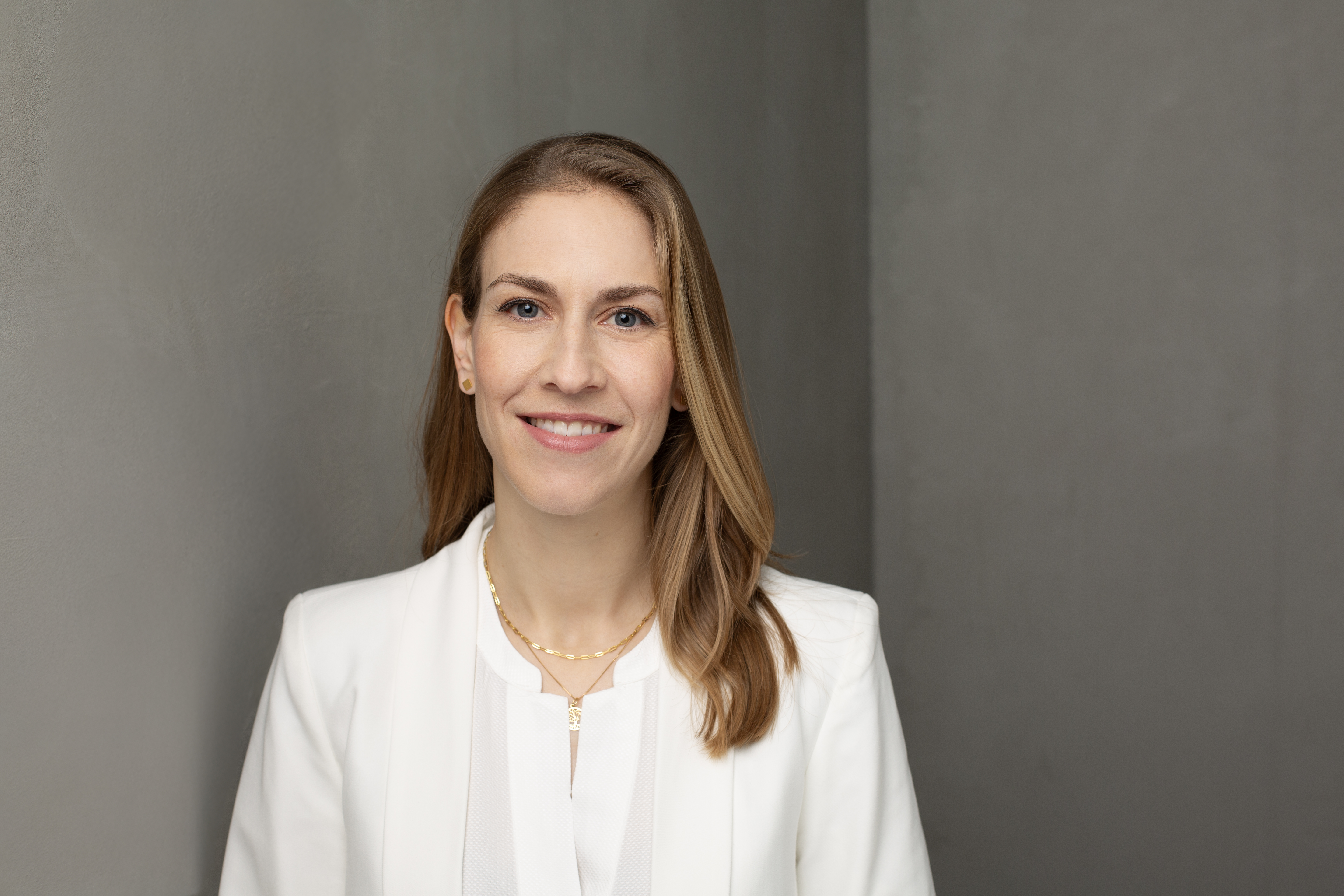
Dr Nina Fechler combines a deep understanding of technology with strategic business development to shape transformation and innovation at the intersection of industry, academia, and politics. At Evonik, she drives global business development—currently as Global Director Strategic Marketing and Business Development with a focus on the semiconductor market, and previously by establishing the group-wide Circular Economy program. Her expertise in managing complex organizational and innovation processes is also reflected in her previous role at Charité Berlin. There, she established and led Charité’s Berlin University Alliance office at Executive Board level within the Excellence Strategy at the intersection of research, society, and politics. Before, she headed a research group at the Max Planck Institute of Colloids and Interfaces. She holds a PhD in Chemistry and an Executive MBA.
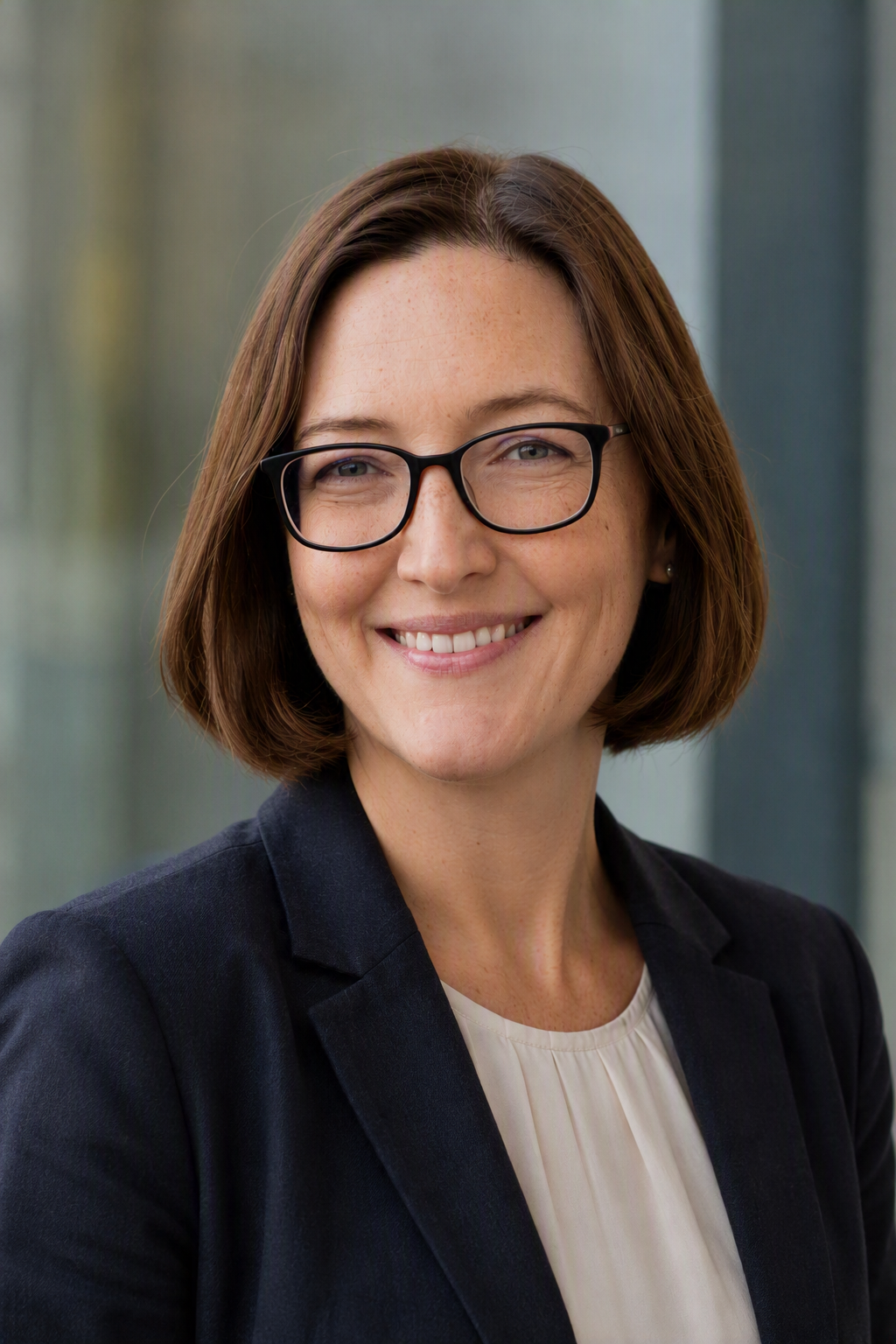
Nora Jeske is a materials scientist with more than 15 years of experience in electronics manufacturing R&D. As a Senior Key Expert at Siemens, she drives sustainability and circularity, focusing on materials, reliability, and regulatory topics such as RoHS and eco-design. Her work bridges engineering, compliance, and industry collaboration to turn complex requirements into practical solutions, leading initiatives to reduce the environmental footprint of electronic components. In parallel, she contributes to shaping sustainability and regulatory developments across the industry as a member of the Sustainability Leadership Council of the Global Electronics Association and has been recognized as a Siemens Inventor of the Year for her contributions to circular electronics.
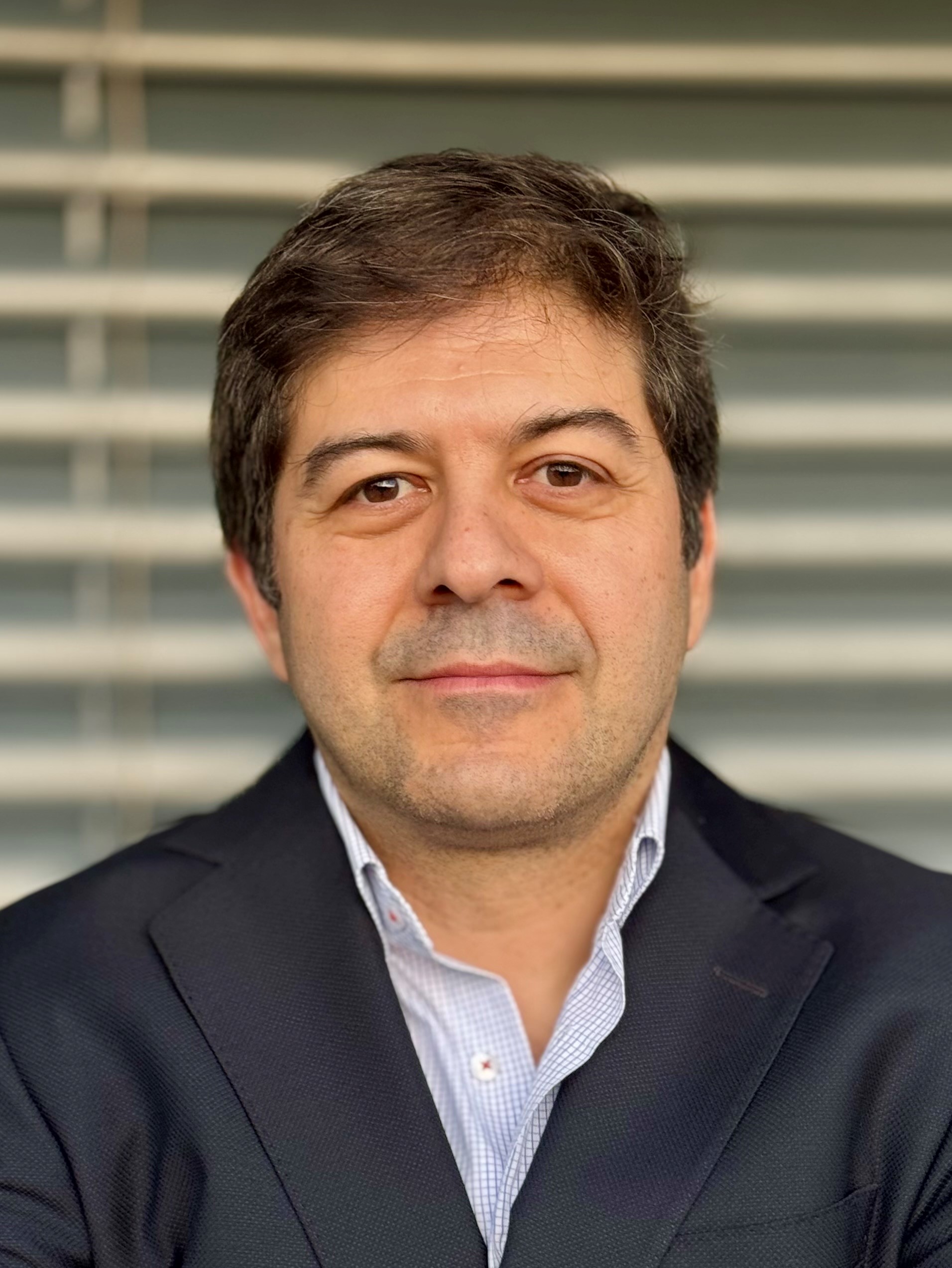
Miguel Ramôa is a textile chemist and industrialist with 25+ years in Portuguese dry, spinning, weaving and CMT, and wet-process manufacturing, dyeing, finishing, and industrial innovation across vertically integrated mills. He is VP Commercial & Verticalisation at Ronzino, von Oswald S.A. (Rovo Group). His work centres on turning sustainable chemistry into industrial scalable reality: bio-based dyeing, waterless and single-bath processes, and lower-impact wet processing at production scale. He developed a natural dyeing technology. He holds a degree in Chemistry and a post-graduation in Lean Manufacturing from the University of Minho. He argues that sustainability only works when it is also industrial and economic strategy, not marketing.