
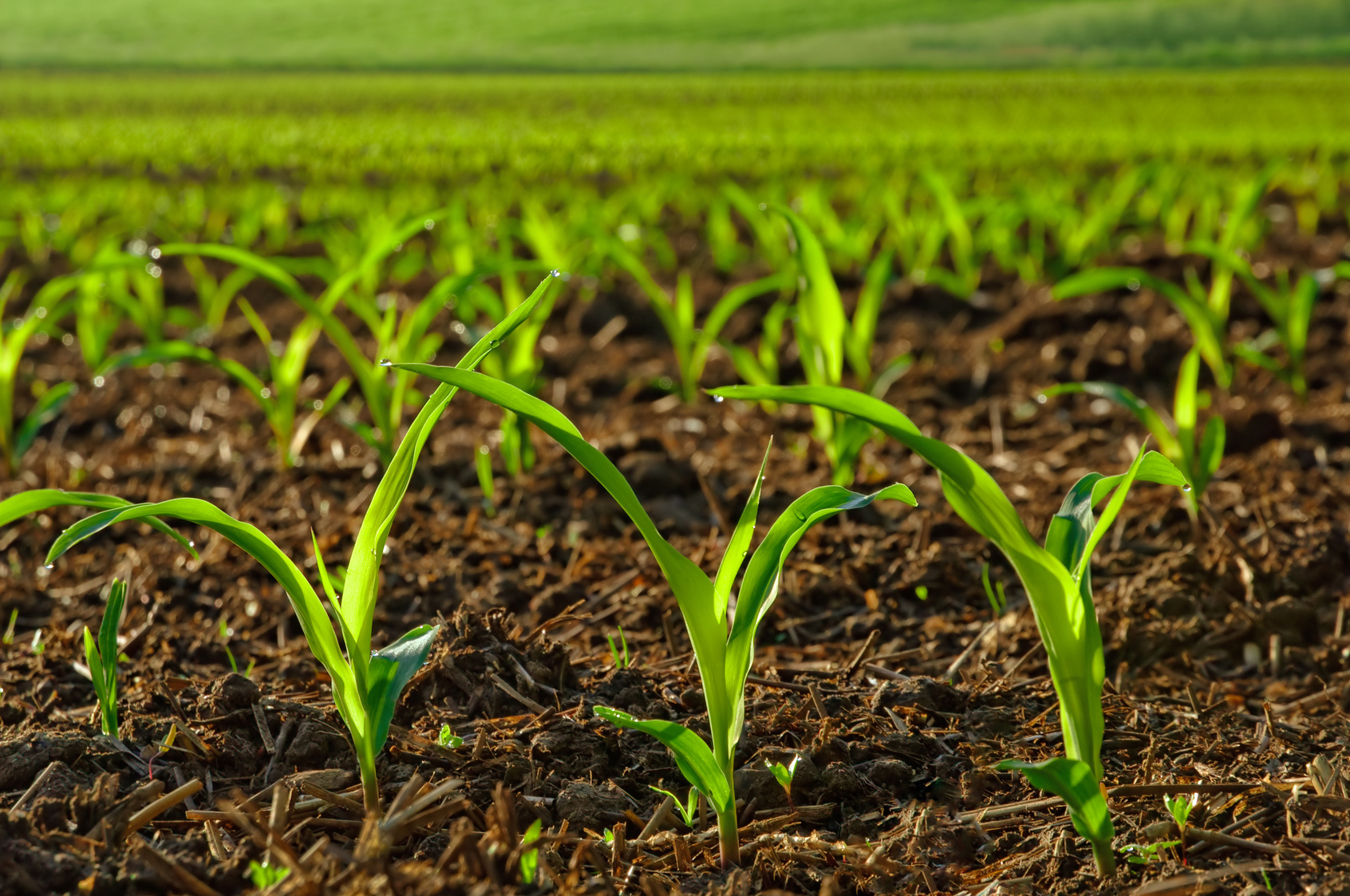
Plants can absorb PFAS from the soil in farmland and gardens through their roots along with water. Uptake from the air is also possible. The following pathways into the food chain exist (optional details in brackets):
- Soil – crops – (livestock) – humans
- Groundwater or irrigation water – soil – crops – (livestock) – humans
Scientific studies have in recent years addressed the absorption of PFAS by plants. Short-chain PFAS are primarily transported to water-rich parts of the plant, whilst long-chain PFAS tend to accumulate in the roots. Uptake and accumulation in plants depend, amongst other things, on:
- the physicochemical properties of the PFAS: As the chain length of the molecules increases, transfer decrease
- the PFAS concentration in the soil: As the concentration rises, transfer increases
- soil properties: As the organic matter content in the soil rises, transfer decreases
- plant species: As the plant’s protein content rises, transfer increases
- plant compartment: Generally, more PFAS accumulate in roots and leaves than in reproductive and storage organ
Pre-harvest monitoring, which authorities may impose in contaminated areas, has been effective at preventing fresh agricultural products containing PFAS from being sold to consumers. The Federal Environment Agency commissioned a study to investigate the transfer of PFAS from the soil into crops. The results were subsequently used in the research project ‘Derivation of soil reference values for PFAS’ to establish reference values for assessing PFAS contamination in soil. Background levels of PFAS in agricultural soils in Germany have also been published.